10 Plant Balcony Ideas
Introduction
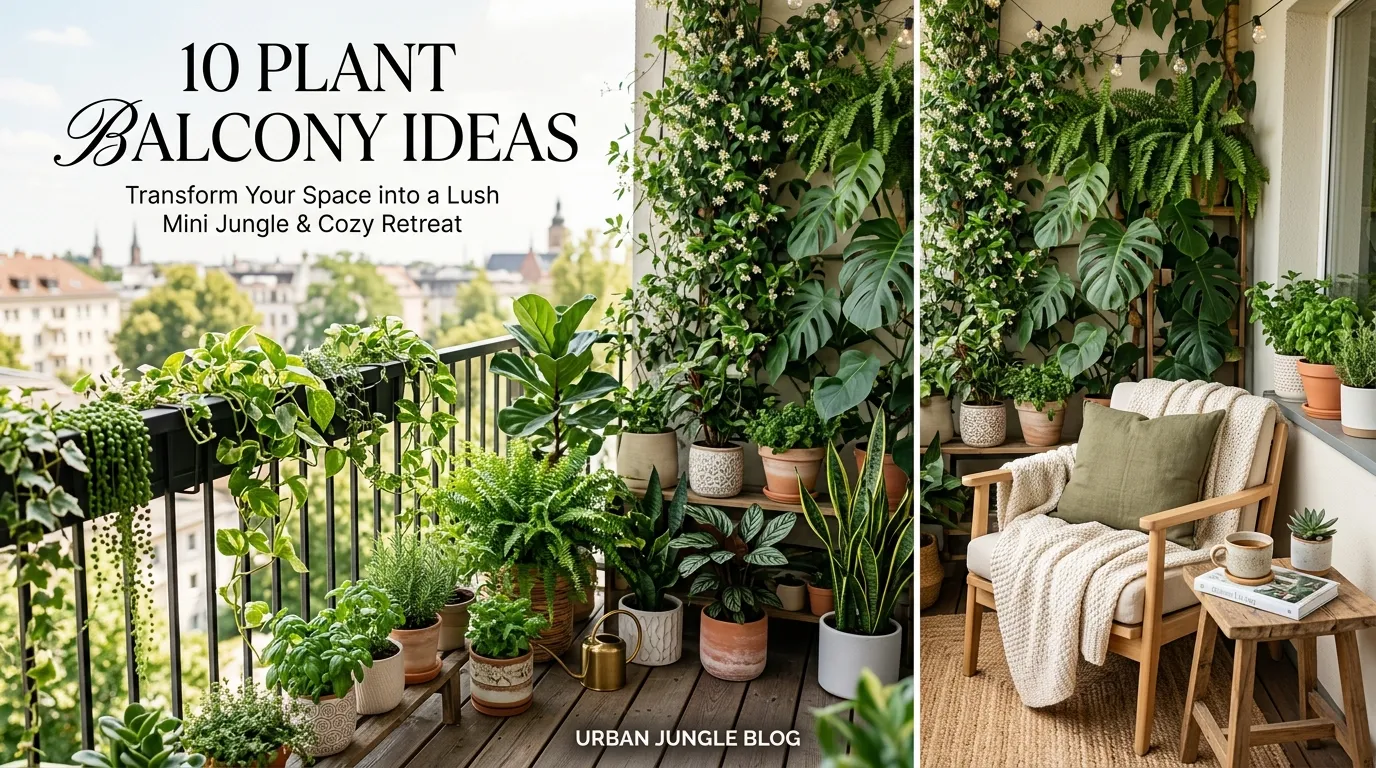
A balcony can become one of the most peaceful corners of your home when plants are arranged with care. Even a small apartment balcony can feel like a private garden if you use the right mix of pots, shelves, rail planters, hanging baskets, and cozy seating. The goal is not to cover every inch with greenery. The goal is to create a small outdoor space that feels fresh, useful, beautiful, and easy to maintain.
For USA renters, apartment owners, condo residents, and small-space decorators, balcony gardening is a smart way to enjoy nature without needing a backyard. You can grow herbs near the kitchen door, add flowers for color, use tall plants for privacy, or create a soft reading corner with leafy texture. A good Plant Balcony setup should also consider sunlight, wind, drainage, building rules, and how much weight the balcony can safely hold.
These ideas are designed to feel Pinterest-worthy but realistic. Each one includes practical styling tips, material ideas, plant placement guidance, and small-space logic so your balcony can look beautiful while still working for everyday life.
1. Railing Planters
- Use railing planters to save floor space and add color at eye level.
- Choose secure brackets that fit your balcony rail safely and firmly.
- Plant flowers, herbs, trailing greenery, or compact seasonal plants.
- Use lightweight containers if your balcony has weight limits.
- Pick colors that match your cushions, rug, or outdoor furniture.
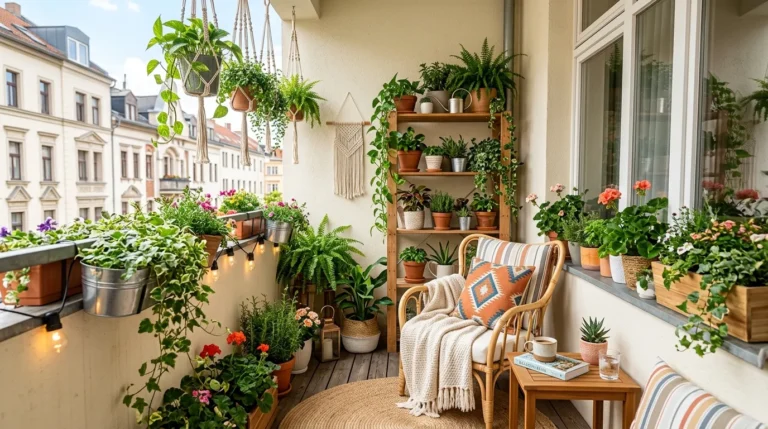
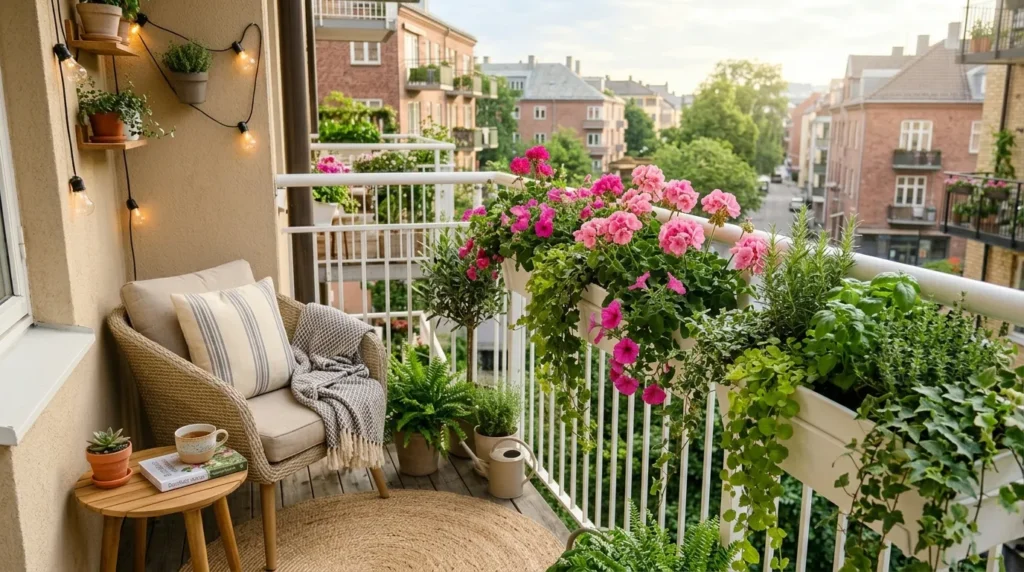
Railing planters are one of the easiest ways to make a balcony feel alive without losing floor space. They work especially well in apartments because they use an area that often sits empty. Instead of crowding the floor with too many pots, you can place greenery along the railing and create a soft border around the outdoor space. In my experience, trailing plants and bright flowers look especially beautiful from both inside the apartment and from the street below.
The best setup feels secure, balanced, and easy to water. Choose planters with strong brackets, drainage control, and lightweight soil if weight is a concern. Petunias, calibrachoa, herbs, ivy, and compact grasses can all work depending on sunlight. If your building has rules about balcony items, check them before installing anything outside the rail. For a clean Pinterest look, repeat one planter color along the railing and use a simple plant palette instead of mixing too many random varieties.
2. Vertical Herb Wall
- Use wall planters, pocket planters, or a ladder shelf for herbs.
- Grow basil, mint, parsley, thyme, rosemary, or cilantro in small containers.
- Place herbs where they get enough sun and remain easy to reach.
- Use labels if you want the wall to feel organized and beginner-friendly.
- Keep watering simple by grouping herbs with similar moisture needs.
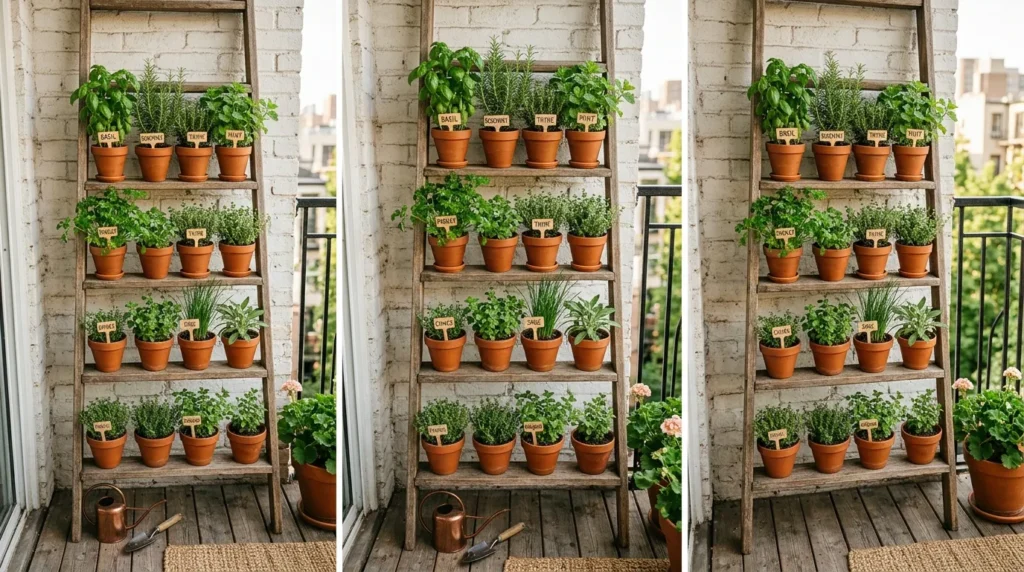
A vertical herb wall turns a balcony into a useful mini garden. This idea works because herbs do not need huge containers, and many of them grow well in small spaces with enough light. A wall rack, ladder shelf, or pocket planter can hold several herbs while keeping the floor open. That’s why many small-space gardeners recommend growing upward instead of outward. It adds greenery, fragrance, and cooking value without making the balcony feel crowded or hard to move through.
The transformation is both visual and practical. Imagine stepping outside to clip basil for pasta, mint for iced tea, or rosemary for roasted potatoes. Use matching pots, small labels, and a drip tray system so the wall stays neat. If your balcony gets hot afternoon sun, check moisture often because small containers dry quickly. If it gets partial light, choose herbs that tolerate those conditions better. This idea is perfect for renters who want something beautiful, useful, and easy to rearrange.
3. Tiered Plant Stand
- Use a tiered stand to display multiple plants without spreading them across the floor.
- Place larger pots on lower shelves and smaller plants toward the top.
- Choose wood, metal, bamboo, or powder-coated stands for outdoor durability.
- Keep the stand near a wall to protect plants from strong balcony wind.
- Mix leafy plants, flowers, and herbs for layered texture and color.
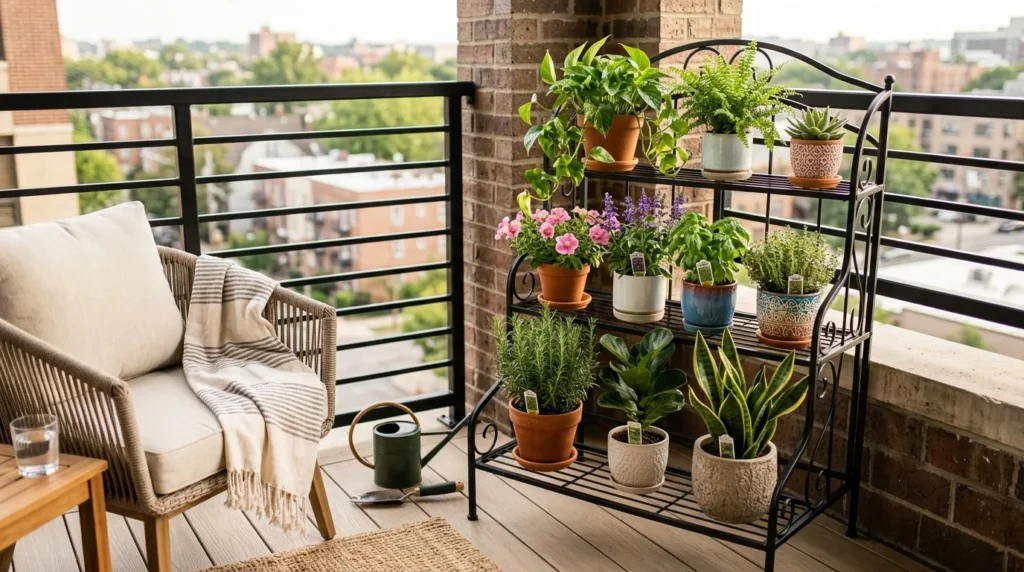
A tiered plant stand gives a small balcony instant structure. Instead of placing pots randomly around the edges, a stand gathers them into one organized display. This works well because height creates visual layers, making the balcony feel fuller without using much square footage. A three-tier shelf can hold herbs, small flowers, succulents, or trailing greenery while leaving room for a chair or small table. I’ve noticed this setup looks best when the containers repeat in color or material.
The finished display feels styled, tidy, and easy to maintain. Put heavier pots at the bottom for stability, especially if the balcony gets wind. Use small saucers or trays to prevent water from dripping onto neighbors below. A black metal stand feels modern, bamboo feels warm, and white wood looks bright and cottage-inspired. This idea is especially useful for people who want several plants but do not want the space to feel messy. It creates a mini garden wall with very little effort.
4. Hanging Baskets
- Hang baskets from ceiling hooks, wall brackets, or sturdy balcony structures.
- Choose trailing plants for softness, movement, and a fuller garden look.
- Use lightweight baskets and secure hardware rated for outdoor use.
- Avoid hanging plants where people may bump their heads or block doors.
- Water carefully so baskets do not drip onto furniture or lower balconies.
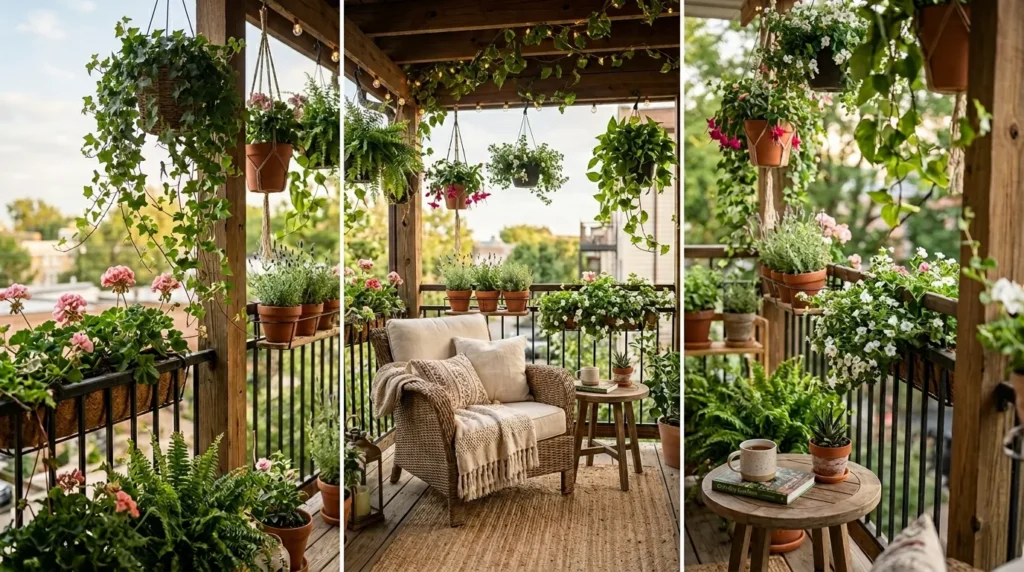
Hanging baskets add softness and height to a balcony garden. They work beautifully because they draw the eye upward and make the space feel more lush. Trailing plants like pothos, ivy, string of pearls, ferns, or flowering annuals can spill gently over the edges and create a romantic outdoor look. The key is using secure hardware and placing baskets where they are safe, balanced, and easy to reach for watering. A hanging plant should feel graceful, not stressful or inconvenient.
The final effect can make even a small balcony feel cozy and layered. Hang one basket near a seating corner, two near a wall, or a row along a covered edge if the structure allows it. Choose woven baskets for a boho feel, black metal for a modern look, or simple white containers for a fresh apartment style. Keep wind in mind because hanging plants can swing. This idea adds movement, texture, and vertical beauty without sacrificing precious floor space.
5. Privacy Greenery
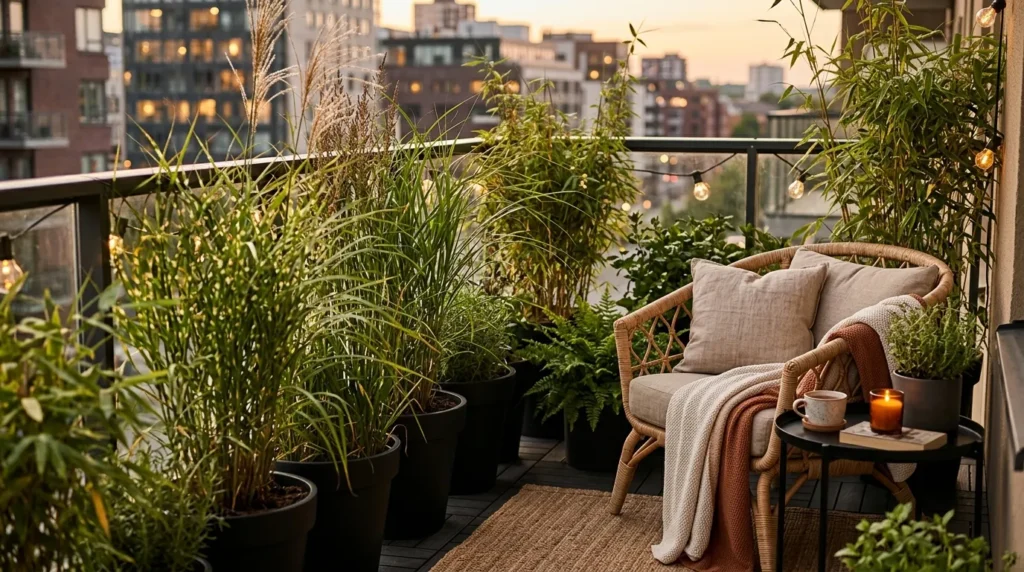
- Use tall plants to create a soft screen from neighbors or nearby streets.
- Try bamboo, tall grasses, ficus, arborvitae, or large leafy tropical plants.
- Place plants in sturdy pots that can handle wind and outdoor exposure.
- Keep the screen partial so the balcony still feels open and bright.
- Add a chair or small table behind the greenery for a private retreat.
Privacy greenery can make a balcony feel more like an outdoor room. Many apartments and condos face other buildings, parking lots, sidewalks, or nearby balconies, so a little screening can make the space feel more comfortable. Tall plants create privacy in a softer way than solid barriers. They block views while still allowing light, air, and movement. In my experience, this works best when the plants are grouped where you actually sit rather than spread evenly across the entire balcony.
The transformation is immediate when the seating area feels protected. Use tall planters along one side, then add a small chair, outdoor cushion, and side table behind them. Ornamental grasses move beautifully in the breeze, while bamboo gives a modern spa-like feeling. Make sure pots are heavy enough to stay stable, especially on higher floors. If your building has rules about balcony screens or plant height, check first. A soft green screen can make morning coffee, reading, and evening relaxation feel much more private.
6. Cozy Plant Corner
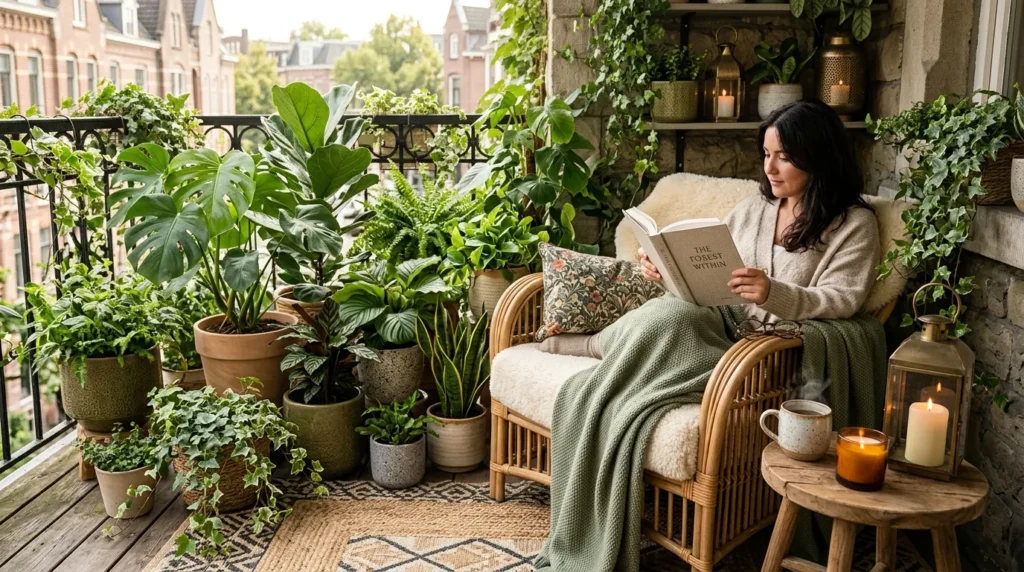
- Group plants around one chair to create a calm reading or coffee spot.
- Use a mix of heights, textures, and pot sizes for a layered look.
- Add an outdoor rug, small table, cushion, or lantern for comfort.
- Keep the arrangement open enough so watering and cleaning stay easy.
- Choose plants based on the corner’s sun, shade, and wind exposure.
A cozy plant corner can turn an empty balcony into your favorite seat at home. This idea works because plants feel more inviting when they frame a purpose. Instead of placing greenery randomly, build one small retreat around a chair or bench. Use one tall plant for height, one medium leafy plant for fullness, and one trailing or flowering plant for softness. That simple formula creates a layered look without needing a huge collection or complicated styling plan.
The result feels peaceful, personal, and easy to enjoy every day. Add a small side table for coffee, a washable outdoor rug for warmth, and one weather-safe cushion for comfort. Keep the plants close enough to feel lush but spaced enough so air can move between them. This prevents the corner from feeling cramped or hard to clean. A cozy plant corner works beautifully for renters, small apartment balconies, and anyone who wants a quiet outdoor escape without redesigning the whole space.
7. Edible Pots
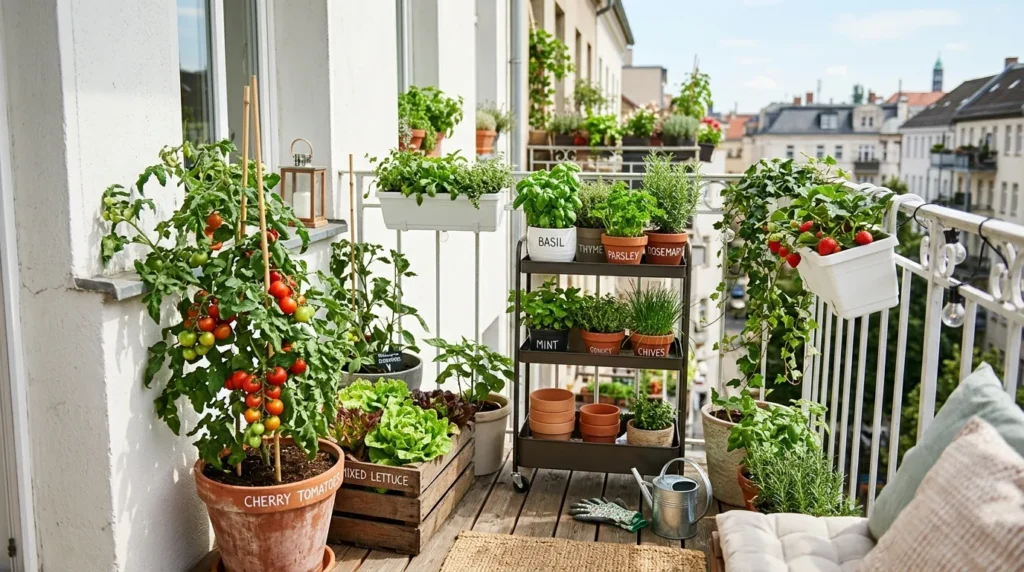
- Grow compact vegetables, herbs, strawberries, or salad greens in containers.
- Use deep pots for tomatoes, peppers, and larger edible plants.
- Choose railing boxes or shallow containers for lettuce, spinach, or herbs.
- Place edible pots where they receive the right amount of sun.
- Use food-safe containers and quality potting mix for healthier growth.
Edible pots make a balcony feel productive as well as beautiful. You do not need a backyard to grow something useful for your kitchen. Many herbs, greens, strawberries, peppers, and compact tomato varieties can grow well in containers if they receive enough light and consistent watering. This idea is especially satisfying because you can see real results from a small space. A few pots can support summer salads, fresh drinks, quick dinners, and weekend cooking.
The finished setup can look attractive when edible plants are styled intentionally. Use matching containers, plant labels, and a narrow shelf or rolling cart to keep the arrangement organized. Place sun-loving vegetables in the brightest spot, and keep leafy greens where they avoid harsh afternoon heat if needed. Watering matters because balcony pots can dry out quickly in warm weather. This idea is great for anyone who wants a Plant Balcony that feels fresh, practical, and connected to everyday meals.
8. Flower Boxes
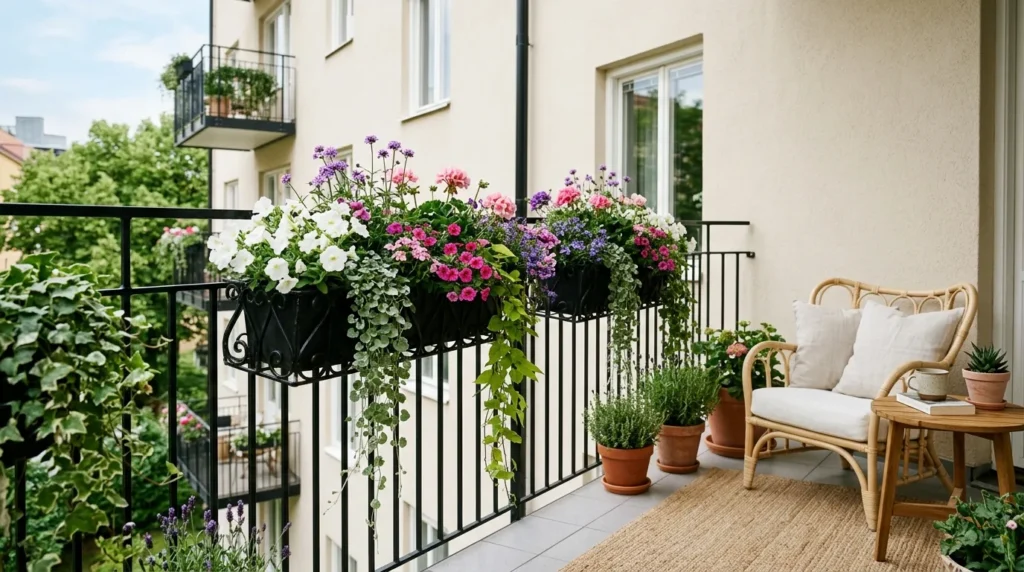
- Add flower boxes for instant color along railings, ledges, or balcony walls.
- Choose seasonal flowers based on sun exposure and local climate.
- Mix upright blooms with trailing plants for a fuller arrangement.
- Use self-watering boxes if your balcony gets hot or dries quickly.
- Repeat flower colors for a cleaner, more elegant Pinterest-style look.
Flower boxes bring instant charm to a balcony because they add color where the eye naturally looks. They are especially useful if the space feels plain, gray, or surrounded by concrete. A simple box filled with blooms can soften hard lines and make the balcony feel cheerful from inside the home too. Choose flowers based on sunlight rather than looks alone. Sun-loving flowers need bright exposure, while shade-friendly blooms are better for covered or north-facing balconies.
The best flower boxes feel full but not chaotic. Combine upright flowers with trailing greenery so the arrangement has height and movement. For a polished look, repeat two or three colors instead of using every shade available. White and green feels classic, pink and purple feels romantic, and yellow with blue accents feels bright and summery. Make sure boxes are secure and have a plan for drainage. This idea works beautifully for spring refreshes, summer decor, and small balconies that need visual happiness.
9. Succulent Shelf
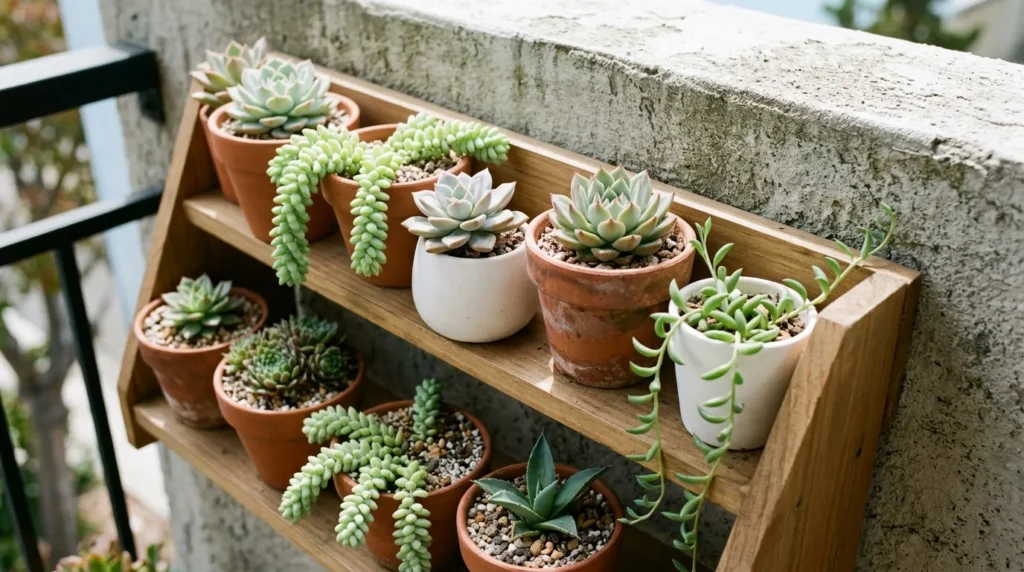
- Use a small shelf or tray to display succulents in matching pots.
- Place succulents where they receive bright light and good airflow.
- Choose gritty soil and containers with drainage holes.
- Mix shapes like rosettes, spikes, trailing stems, and compact clusters.
- Avoid overwatering because succulents prefer drier conditions.
A succulent shelf is perfect for people who want low-maintenance balcony style. Succulents offer strong shapes, soft colors, and sculptural texture without needing the same watering routine as many leafy plants. This idea works especially well on sunny balconies, narrow ledges, and small shelves where traditional pots might feel too bulky. The beauty comes from grouping different shapes together. Rosette succulents, upright varieties, trailing stems, and tiny clusters can create a beautiful mini display.
The finished shelf can look modern, cute, or desert-inspired depending on your containers. Use terracotta for a warm Southwest look, white ceramic for a clean modern style, or concrete pots for a minimalist mood. Keep the shelf stable and protected from strong wind. Make sure each pot drains properly because standing water can damage succulents quickly. This setup is great for busy renters, students, or homeowners who want greenery but do not want a high-maintenance balcony garden.
10. Night Garden
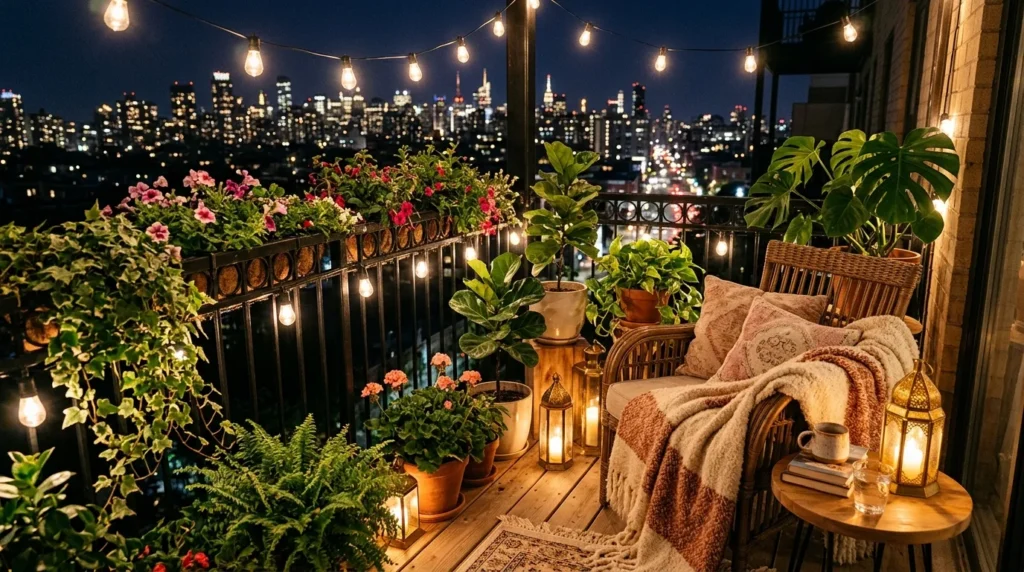
- Add soft lighting around plants to make the balcony useful after sunset.
- Use string lights, solar lanterns, LED candles, or small outdoor lamps.
- Place lights behind or below plants to highlight leaves and shadows.
- Choose warm white lighting for a cozy and flattering evening mood.
- Keep cords safe, weather-rated, and away from watering areas.
A night garden makes your balcony feel magical after the sun goes down. Plants can disappear in the dark unless you highlight them with soft lighting. Warm string lights, lanterns, LED candles, or small outdoor lamps can bring the greenery back to life in the evening. This idea works especially well for people who use their balcony after work. Instead of letting the space become dark and unused, lighting helps it feel like a tiny outdoor lounge.
The transformation is all about atmosphere. Place lights behind tall plants, under shelves, or along the railing so leaves create soft shadows. Use warm white bulbs instead of harsh blue-toned light because they make the space feel more comfortable. Add a chair, throw blanket, and small table for tea, reading, or quiet conversation. Keep safety in mind with outdoor-rated cords and battery options where needed. This idea turns a small balcony into a relaxing evening retreat without adding much furniture.