
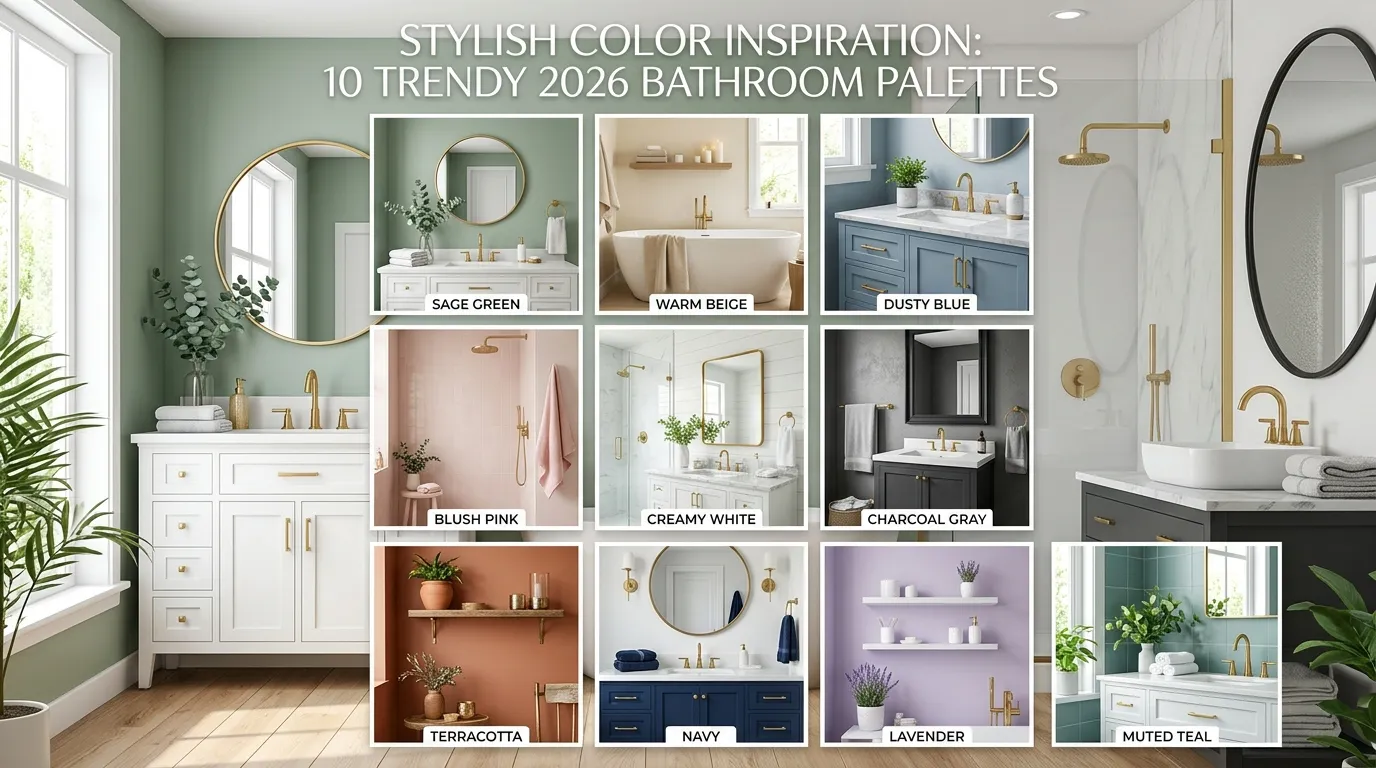
10 Bathroom Color Ideas That Look Fresh
Introduction
Choosing the right bathroom color can completely transform the space, making it feel fresh, vibrant, and inviting. Colors influence mood, perception of space, and even lighting reflection, which is particularly important in small or dim bathrooms. I’ve noticed that pairing natural tones with bold accents, or combining soft pastels with metallic fixtures, can create a contemporary yet timeless look. This guide provides practical, visually inspiring ideas for American bathrooms, focusing on color combinations that enhance functionality, appeal, and Pinterest-ready styling. With these strategies, homeowners can refresh their bathrooms while maintaining practicality and long-term versatility.
1. Soft Pastel Hues
Bullet Points
- Adds a light and airy feel
- Works well in small spaces
- Pairs with white or neutral fixtures
- Enhances natural light reflection
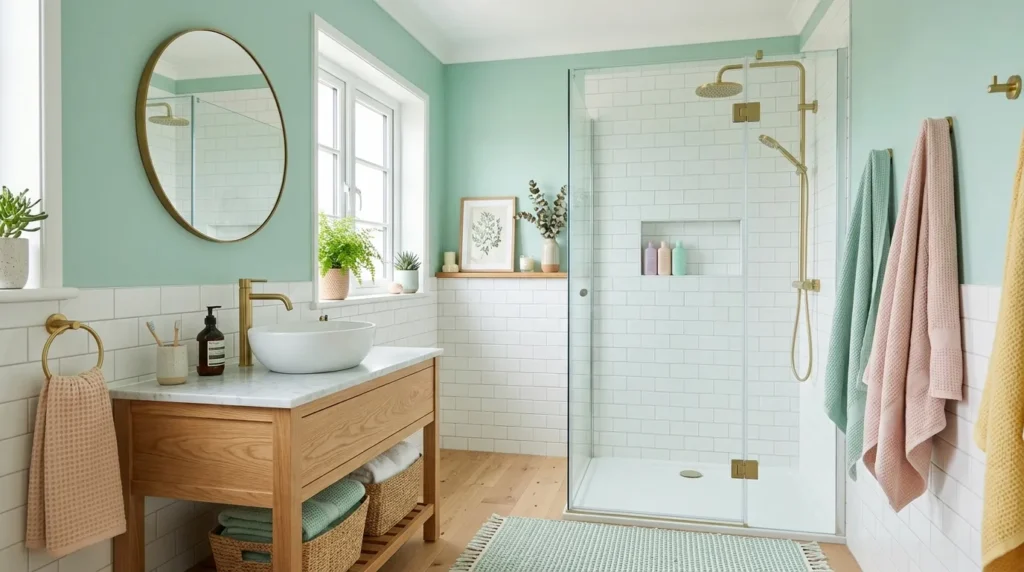
Soft pastel hues instantly make bathrooms feel brighter and more inviting. Colors like mint green, powder blue, or blush pink reflect natural light, creating the illusion of a larger, open space. Designers often pair pastels with white trim, tiles, or fixtures to amplify contrast while keeping the atmosphere gentle and cohesive. I’ve noticed that pastel walls provide a calming, spa-like environment, making morning routines feel refreshing. The subtle tone allows homeowners to experiment with textures, metallic accents, and wooden elements without overwhelming the room, ensuring a visually balanced and appealing space.
Functionally, pastels create a versatile backdrop for accessories, towels, or artwork, allowing seasonal or color trend updates without repainting. They work well with various materials like ceramic tiles, wood vanities, or glass shelving, enhancing depth and texture. In real-life applications, pastel tones can visually expand narrow bathrooms or soften harsh artificial lighting. This combination of visual enhancement, practical flexibility, and soft ambiance ensures that soft pastel hues contribute to both aesthetic appeal and everyday functionality. The result is a refreshing, Pinterest-ready bathroom environment that feels modern yet timeless.
2. Neutral Beige Palette
Bullet Points
- Creates warmth and elegance
- Complements wood, stone, or metal finishes
- Works with both modern and traditional designs
- Easy to accessorize with contrasting tones
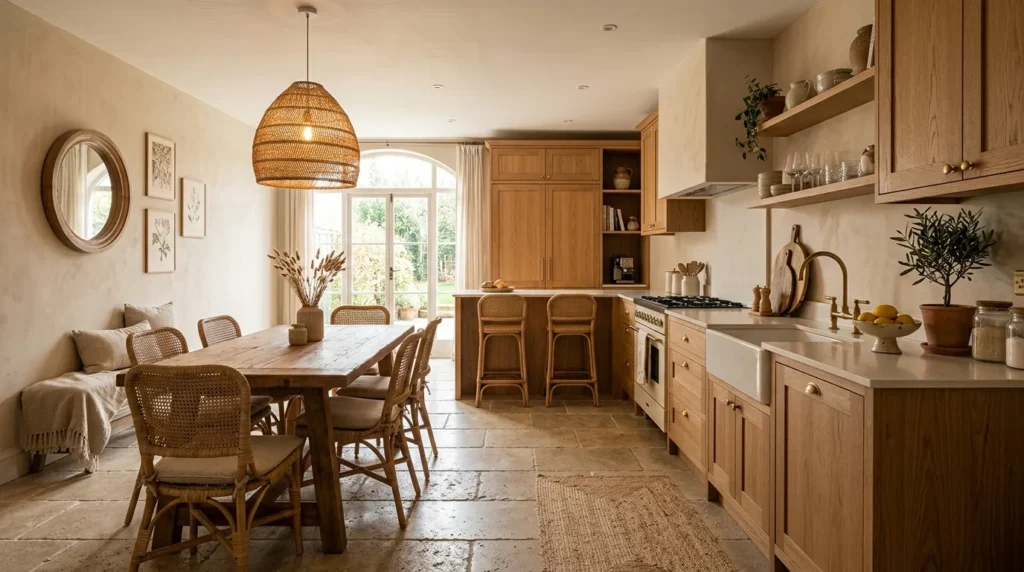
Neutral beige provides a sophisticated, versatile backdrop for bathrooms. Its warm undertones pair beautifully with natural wood cabinetry, stone tiles, or metal accents. I’ve noticed that beige tones create a sense of calm and balance, making the space feel both cozy and elegant. Designers often recommend layering shades of beige with textures like stone or woven baskets to add depth without losing the neutral appeal. The result is a welcoming, timeless bathroom aesthetic that allows homeowners to experiment with accent colors and patterns while maintaining a harmonious, unified look throughout the space.
Functionally, beige tones are forgiving for minor stains or wear, making them practical for daily use. They complement a variety of materials and finishes, from glossy ceramic tiles to matte wood or stone. In real-life layouts, combining beige walls with bold accessories, metallic fixtures, or colorful textiles creates visual interest while maintaining balance. This neutral foundation allows homeowners to refresh the room easily without major renovations. Overall, a neutral beige palette enhances both aesthetics and usability, creating a warm, adaptable, and Pinterest-ready bathroom environment.
3. Crisp White Walls
Bullet Points
- Reflects light and enlarges small spaces
- Pairs with virtually any accent color
- Creates a clean, timeless look
- Highlights textures and architectural features
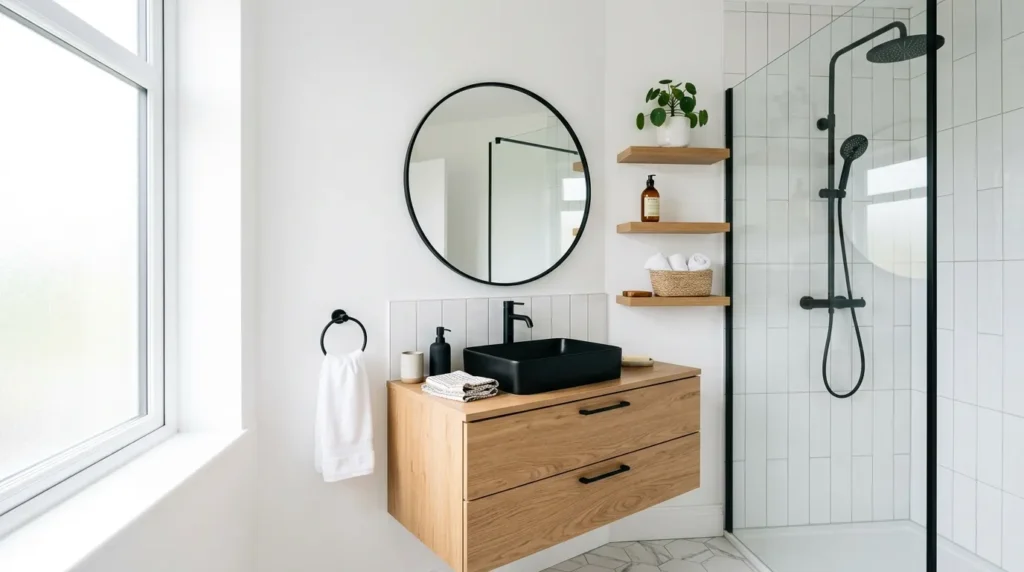
Crisp white walls are a classic choice for fresh-looking bathrooms. White reflects natural and artificial light, making even compact spaces feel bright and airy. Designers often pair white walls with contrasting elements like black fixtures, colorful tiles, or wood accents to create striking visual balance. I’ve noticed that white also serves as a neutral canvas, allowing textures in flooring, cabinetry, and accessories to stand out. The color evokes cleanliness and timeless elegance, making it a popular option for homeowners seeking a modern, versatile aesthetic that is easy to style and maintain.
Functionally, white walls are forgiving in terms of design flexibility, allowing easy seasonal updates with towels, rugs, or wall art. They can make a small bathroom appear more spacious and complement a range of lighting conditions. In practical layouts, white surfaces combined with reflective materials enhance brightness while highlighting architectural or design features. This approach ensures the bathroom remains visually open, functional, and adaptable for future decor changes. White walls achieve a balance of modernity, freshness, and practicality, resulting in a clean, Pinterest-ready aesthetic suitable for any home.
4. Bold Navy Blue
Bullet Points
- Creates a dramatic, sophisticated effect
- Works with gold, brass, or white accents
- Adds depth to larger spaces
- Enhances modern or nautical themes
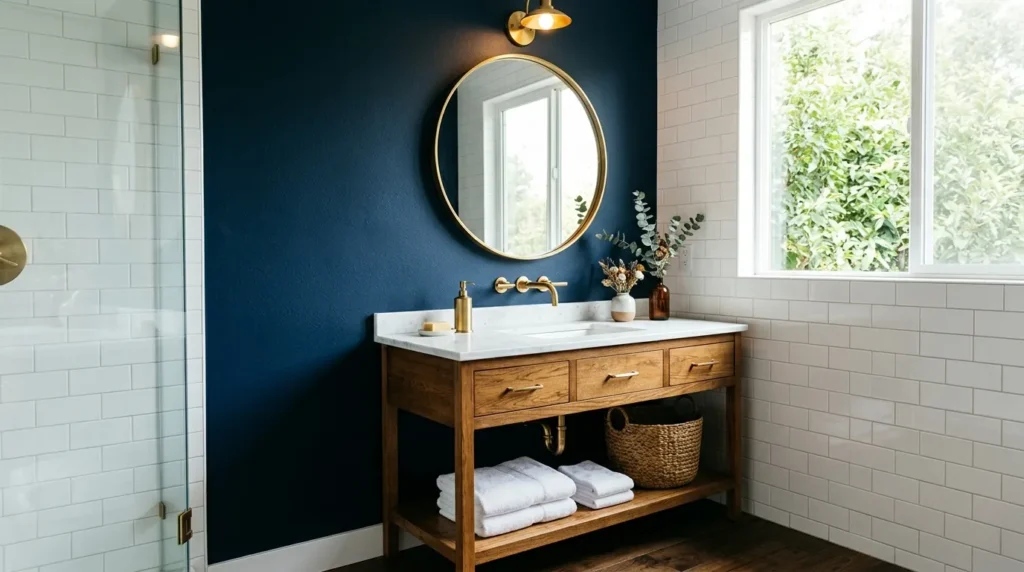
Bold navy blue walls add depth, drama, and a touch of sophistication to bathrooms. Paired with metallic accents or white tiles, navy enhances visual contrast and draws attention to architectural features. Designers often recommend this color for larger bathrooms, where it balances space without feeling overwhelming. I’ve noticed that navy walls evoke a modern, polished aesthetic while remaining versatile for classic or contemporary decor. Combining navy with natural wood, brass fixtures, or stone surfaces creates a harmonious balance between color intensity and neutral elements, resulting in a visually striking bathroom environment.
Functionally, navy blue provides a durable backdrop that resists showing minor imperfections or water stains. It pairs seamlessly with a variety of materials, allowing homeowners to introduce accent colors or textures through textiles and accessories. In real-life applications, navy walls can create a cozy, intimate feeling in larger bathrooms while offering a bold statement. This combination of visual impact and practicality ensures that navy blue contributes to both style and usability, delivering a fresh, Pinterest-ready bathroom color choice with timeless appeal.
5. Soft Gray Tones
Bullet Points
- Adds sophistication and versatility
- Complements metallic, white, or wood finishes
- Creates a calming and neutral backdrop
- Works for modern and transitional designs
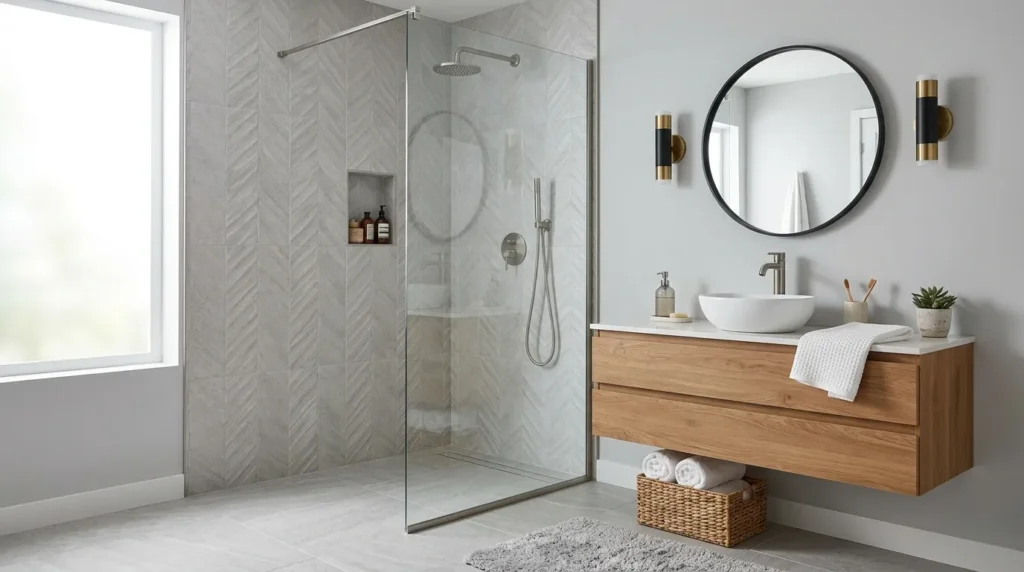
Soft gray tones provide a refined and versatile base for bathroom walls. Light gray reflects light subtly, creating a serene, calming atmosphere while serving as a neutral backdrop for various textures. I’ve noticed that pairing gray with white fixtures, wood vanities, or metallic hardware elevates the bathroom’s elegance without feeling sterile. Designers often recommend layering shades of gray or combining with stone tiles for depth and dimension. Gray’s adaptability allows homeowners to experiment with accent colors and materials, resulting in a stylish, contemporary bathroom that is practical and Pinterest-ready.
Functionally, gray tones hide minor wear, water spots, or fingerprints, making them practical for daily use. They work with a range of materials, including wood, stone, tile, and metal, creating a cohesive and sophisticated environment. In real-life layouts, gray walls can visually expand the space while complementing lighting choices, from natural sunlight to ambient fixtures. The color balances aesthetics, flexibility, and usability, ensuring that the bathroom feels calm, cohesive, and adaptable for future design updates, making it a fresh and timeless choice for modern homes.
6. Vibrant Teal Accents
Bullet Points
- Adds energy and personality
- Works well as an accent wall or cabinetry color
- Complements white or neutral backdrops
- Enhances modern and eclectic designs
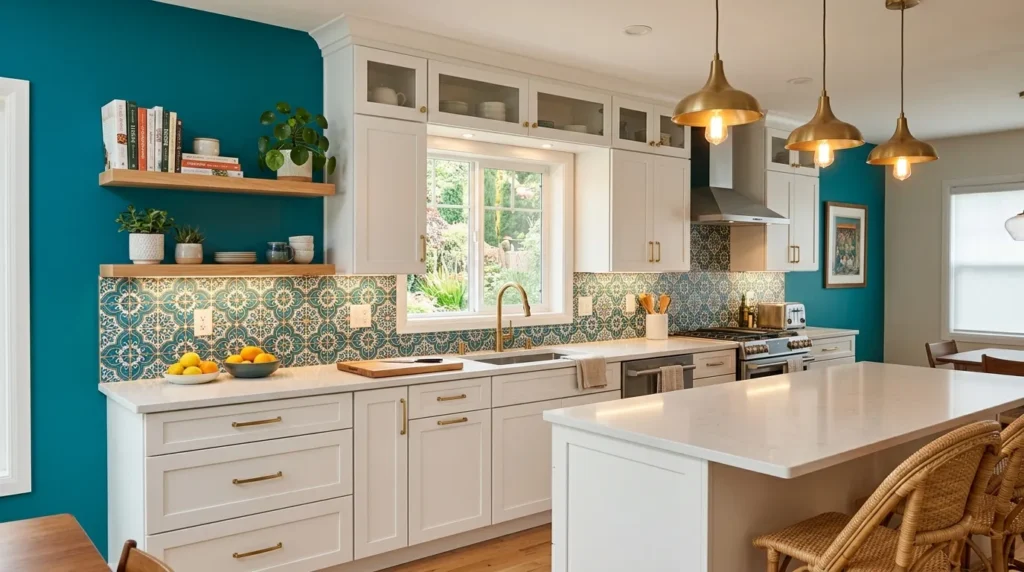
Vibrant teal brings energy and vibrancy to bathrooms without overwhelming the space. I’ve noticed that teal works beautifully on feature walls, cabinetry, or accessories, creating visual interest and highlighting architectural features. Designers often recommend pairing teal with white or gray backgrounds to balance intensity and maintain a fresh look. The color evokes a contemporary, playful feel while harmonizing with natural elements like wood, stone, or metallic fixtures. Incorporating teal thoughtfully adds depth, personality, and a lively focal point that elevates the overall bathroom aesthetic.
Functionally, teal accents create contrast and dimension, guiding attention toward key areas like vanities, shower walls, or towel racks. The color pairs well with reflective surfaces and neutral tiles, allowing flexible styling and seasonal updates. In practical layouts, combining teal with soft lighting and metallic hardware enhances both visual appeal and usability. This approach provides homeowners with a bold yet balanced option for refreshing their bathroom, delivering a vibrant, Pinterest-ready look that complements modern or eclectic design themes while remaining practical and cohesive.
Continuing from the first half, these remaining bathroom color ideas focus on bold accents, natural tones, and creative combinations that refresh and elevate the space. I’ve noticed that using complementary shades, textured finishes, and layered materials can completely transform the look and feel of a bathroom. These ideas are designed for American homes, balancing aesthetic appeal, functionality, and Pinterest-ready inspiration. By combining these color strategies with the previous ones, homeowners can create visually compelling, practical bathrooms that feel light, fresh, and fully integrated with modern design principles while remaining timeless.
7. Soft Sage Green
Bullet Points
- Brings a calming, natural feel
- Complements wood, white, and stone accents
- Works for small and large bathrooms
- Easy to refresh with accessories
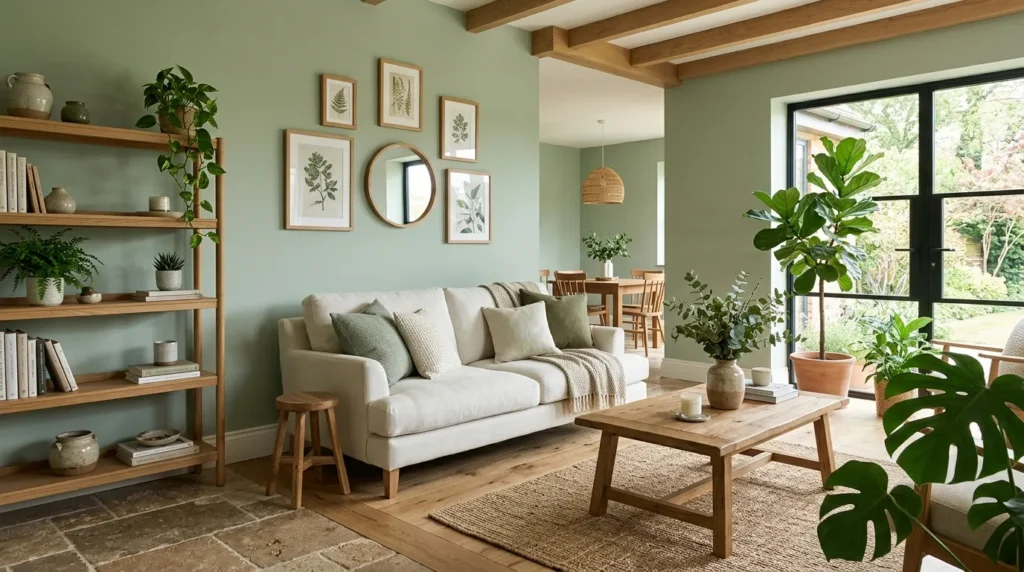
Soft sage green introduces a soothing, organic atmosphere in bathrooms. The muted green hue pairs beautifully with wood vanities, white tiles, or stone accents, creating a naturally balanced look. I’ve noticed that sage evokes tranquility and enhances the sense of relaxation, making it ideal for master baths or spa-inspired spaces. Designers often suggest layering shades of green or combining with neutral tones to add depth without overwhelming the room. The color works well for walls, cabinetry, or even accent tiles, providing a subtle yet refreshing palette that enhances comfort and aesthetics.
Functionally, sage green acts as a versatile backdrop for towels, rugs, or decorative elements, allowing homeowners to update accents seasonally. It reflects natural light softly, making small bathrooms appear brighter while maintaining a warm, inviting ambiance. Paired with metallic fixtures, stone floors, or wooden accents, this color adds cohesion and depth. In real-life layouts, sage enhances both visual appeal and usability, creating a calm, Pinterest-ready bathroom environment that feels connected to nature and balanced with contemporary design.
8. Warm Terracotta
Bullet Points
- Adds earthy warmth and richness
- Complements stone, wood, and neutral finishes
- Works for Mediterranean or rustic designs
- Creates a cozy and inviting atmosphere
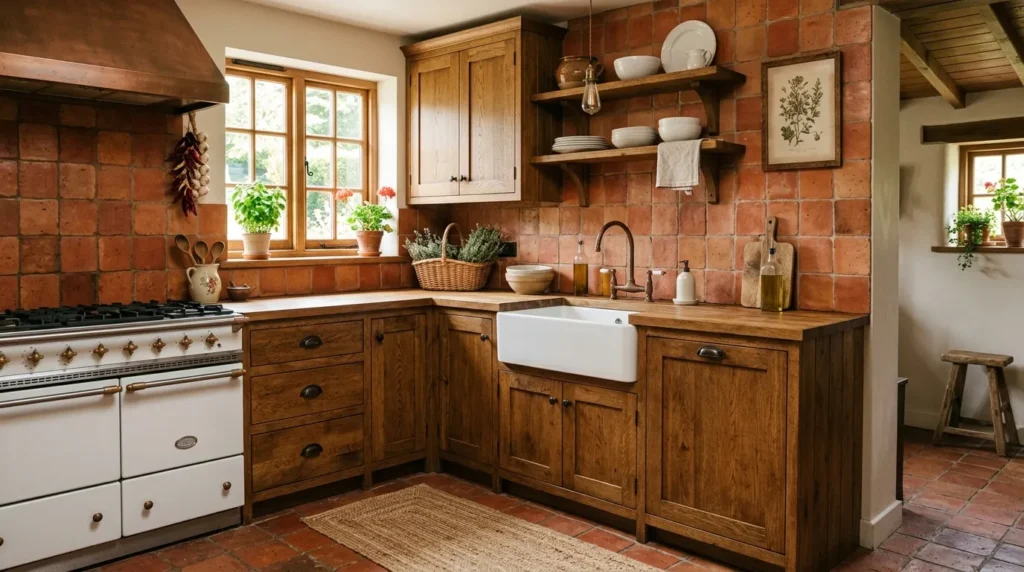
Warm terracotta tones infuse bathrooms with earthy richness and a cozy ambiance. The reddish-brown hue pairs seamlessly with stone flooring, wooden vanities, or neutral tiles, evoking a Mediterranean or rustic aesthetic. I’ve noticed that terracotta walls or accent areas create depth and warmth without appearing heavy. Designers often recommend pairing terracotta with soft whites or muted neutrals to balance intensity and highlight architectural features. The color creates a welcoming atmosphere, making the bathroom feel both intimate and sophisticated while allowing flexibility in accessorizing and decor.
Functionally, terracotta provides a warm, neutral base that harmonizes with natural materials like wood, stone, or ceramics. It hides minor scuffs and water stains better than lighter colors, making it practical for high-use bathrooms. In practical layouts, combining terracotta walls with soft lighting, metallic fixtures, or patterned tiles adds depth and visual interest. Homeowners benefit from a bathroom that feels grounded, cozy, and stylish. This approach balances warmth, function, and aesthetic appeal, resulting in a Pinterest-ready bathroom color choice that complements contemporary or rustic themes.
9. Classic Black Accents
Bullet Points
- Adds contrast and sophistication
- Pairs with white, gray, or metallic elements
- Highlights architectural features
- Works for modern or industrial styles
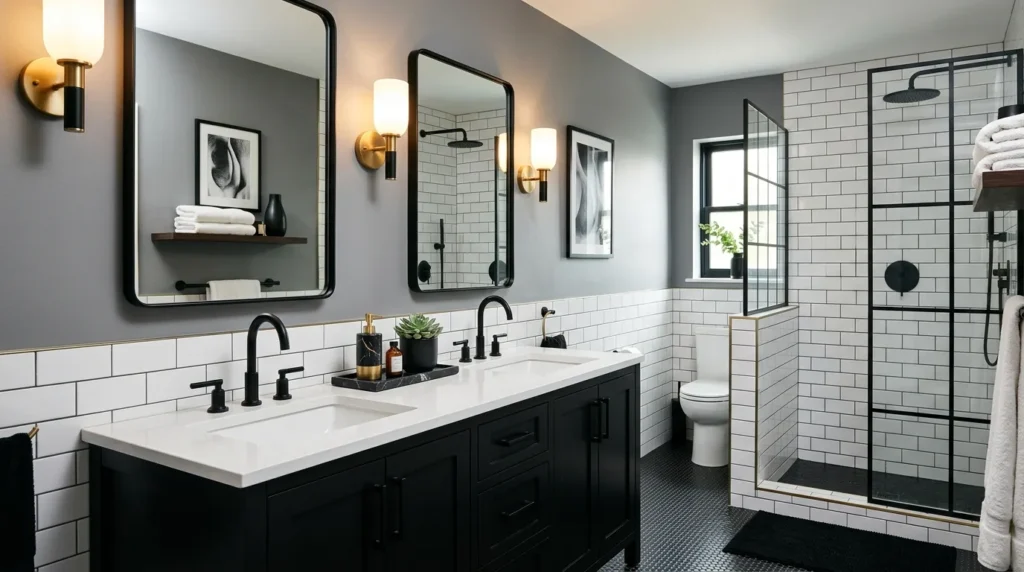
Classic black accents introduce sophistication and visual contrast in bathrooms. Whether used on cabinetry, fixtures, or accent walls, black highlights architectural features and creates depth. I’ve noticed that pairing black with white tiles, gray walls, or metallic elements balances intensity while maintaining a fresh, modern look. Designers often use black to define spaces, emphasize lines, or frame mirrors and vanities. The color creates a dramatic, polished aesthetic, offering versatility for both minimalist and bold designs while ensuring the bathroom feels stylish and intentional.
Functionally, black accents are practical for high-traffic areas, masking minor imperfections while providing a sleek, timeless look. They complement metallic hardware, wooden finishes, and natural stone, creating cohesive design layers. In real-life layouts, black can define zones, emphasize textures, and highlight lighting effects, enhancing visual impact. Homeowners benefit from a balance of elegance, durability, and style. Incorporating black ensures that the bathroom feels curated, bold, and Pinterest-ready while remaining flexible for future updates or seasonal accent changes.
10. Bright Aqua Blue
Bullet Points
- Adds energy and freshness
- Complements white, wood, and neutral tones
- Works for coastal or contemporary themes
- Creates a vibrant, uplifting atmosphere
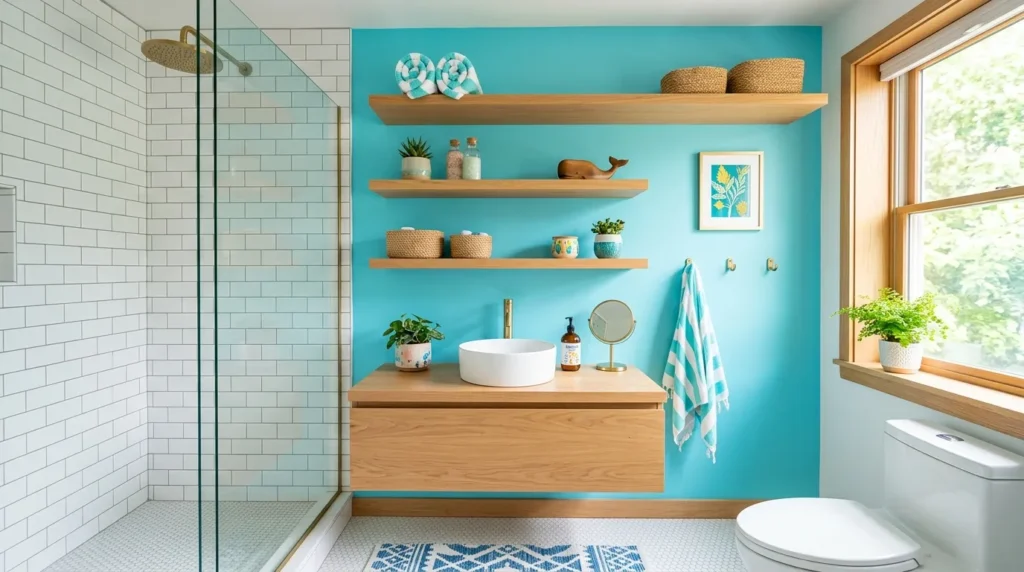
Bright aqua blue infuses bathrooms with vibrancy and a fresh, energetic feel. This lively color pairs beautifully with white tiles, wooden cabinetry, or neutral stone, creating a playful yet sophisticated aesthetic. I’ve noticed that aqua works especially well in coastal or modern bathrooms, highlighting water-related features while enhancing the room’s light and airy feel. Designers often recommend using aqua for accent walls, vanities, or tiles to create visual interest without overwhelming the space. The color transforms ordinary bathrooms into cheerful, Pinterest-worthy spaces that feel rejuvenating and inviting.
Functionally, aqua provides a versatile backdrop for complementary accessories, artwork, or textiles, making seasonal updates easy. It reflects natural light effectively, brightening small or enclosed bathrooms. Paired with metallic fixtures or soft lighting, aqua balances vibrancy and elegance. In practical layouts, the color draws attention to focal points like vanities, shower walls, or decorative elements, enhancing the overall composition. Homeowners benefit from a fresh, uplifting, and visually appealing bathroom that combines practicality with Pinterest-ready style, making the space both energetic and inviting