10 Landscape Design For Small Backyard Ideas
Introduction
A small backyard can feel just as beautiful, useful, and relaxing as a large outdoor space when every inch is planned with intention. The mistake many homeowners make is trying to fit too many things into a limited area. A tiny yard does not need every feature at once. It needs smart zones, simple materials, layered greenery, comfortable seating, and a clear visual path that makes the space feel open instead of crowded.
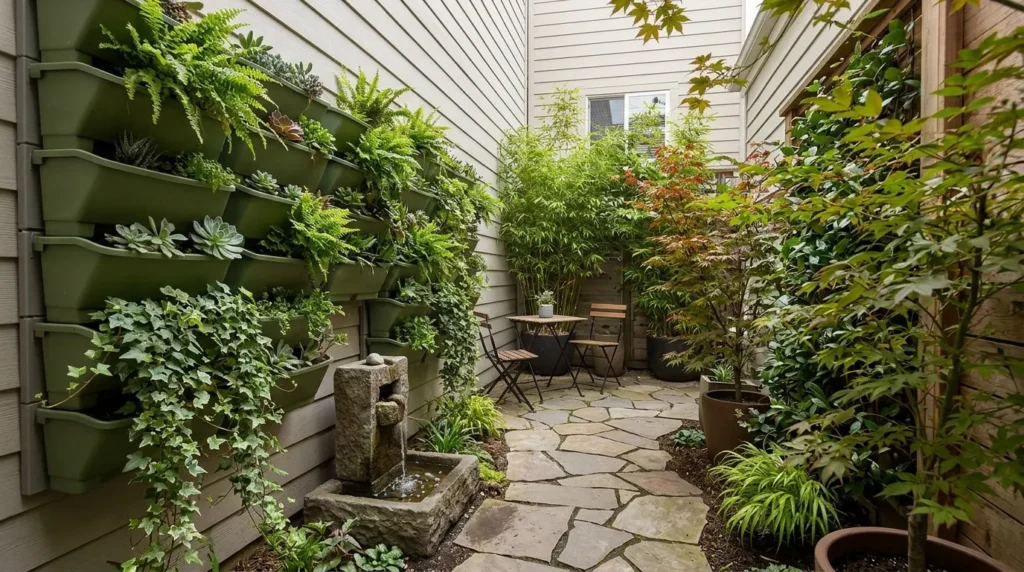
For USA homes, small backyards are common in townhomes, suburban lots, city homes, rental properties, and newer builds where outdoor square footage is limited. The right Landscape Design approach can help turn a plain patch of grass, concrete patio, or narrow fenced yard into a cozy outdoor retreat. You can create a dining corner, reading nook, garden wall, fire pit area, or low-maintenance plant border without making the space feel tight.
These ideas are designed to be practical, Pinterest-friendly, and easy to imagine in real homes. Each section includes materials, styling tips, layout guidance, and real-life usability so you can create a backyard that feels larger, calmer, and more finished.
1. Patio Zones
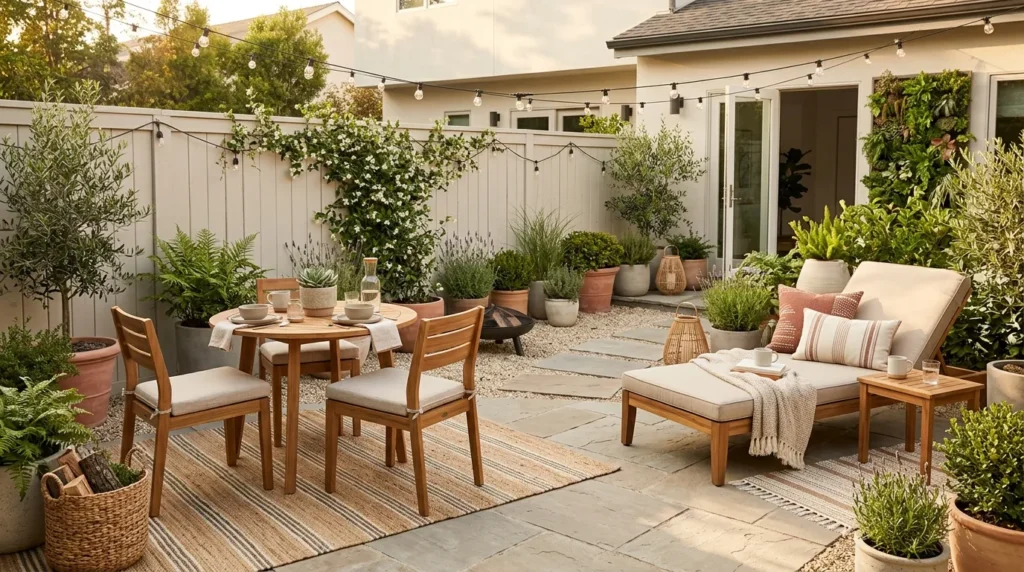
- Divide the backyard into clear areas for sitting, dining, planting, or relaxing.
- Use outdoor rugs, pavers, planters, or furniture placement to define each zone.
- Keep pathways open so the yard feels easy to move through.
- Choose compact furniture that matches the size of the space.
- Repeat colors and materials to make the layout feel connected.
A small backyard feels bigger when it has a clear purpose for each area. Instead of placing furniture randomly, create simple zones that guide how the space should be used. A small dining table can sit near the door, a lounge chair can face the garden, and planters can frame the edges. In my experience, even a tiny yard feels more expensive when each corner has a job. The key is leaving enough open space between zones so the design feels calm, not packed.
The transformation comes from structure, not size. Use an outdoor rug under seating, pavers under a café table, or tall planters behind a bench to separate areas visually. Keep furniture legs light and open if the yard is narrow, because bulky pieces can make the space feel smaller. Repeat materials like black metal, warm wood, beige cushions, or terracotta pots to create flow. This idea helps the backyard feel organized, welcoming, and easy to enjoy for morning coffee or weekend dinners.
2. Vertical Gardens
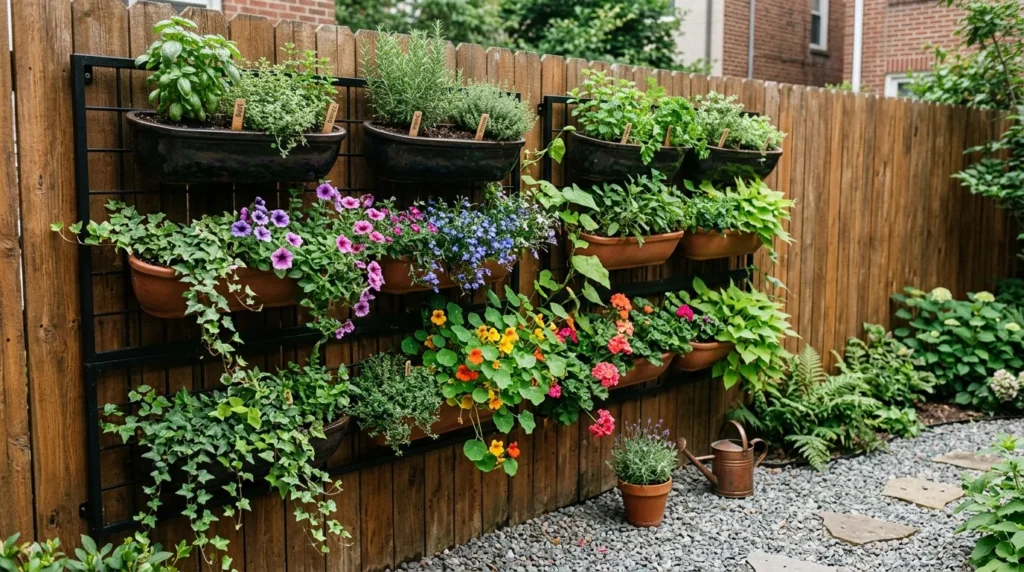
- Use walls, fences, trellises, or hanging planters to grow upward instead of outward.
- Add herbs, flowers, vines, or small trailing plants for texture and color.
- Choose lightweight wall planters if you are decorating a rental backyard.
- Keep plants grouped by sunlight and watering needs for easier care.
- Use vertical greenery to soften fences, blank walls, and tight corners.
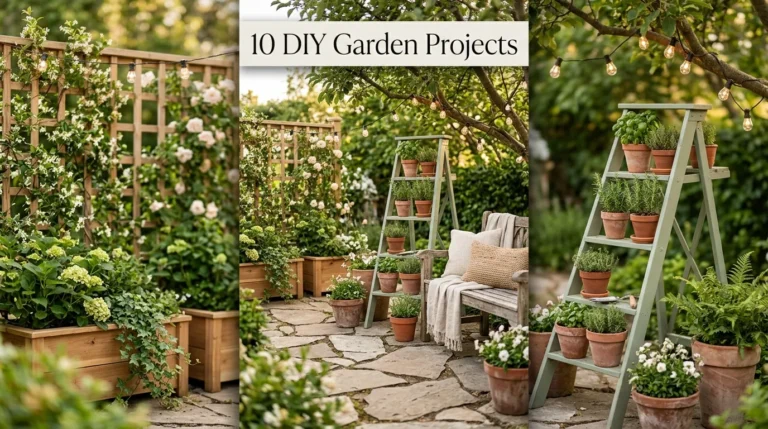
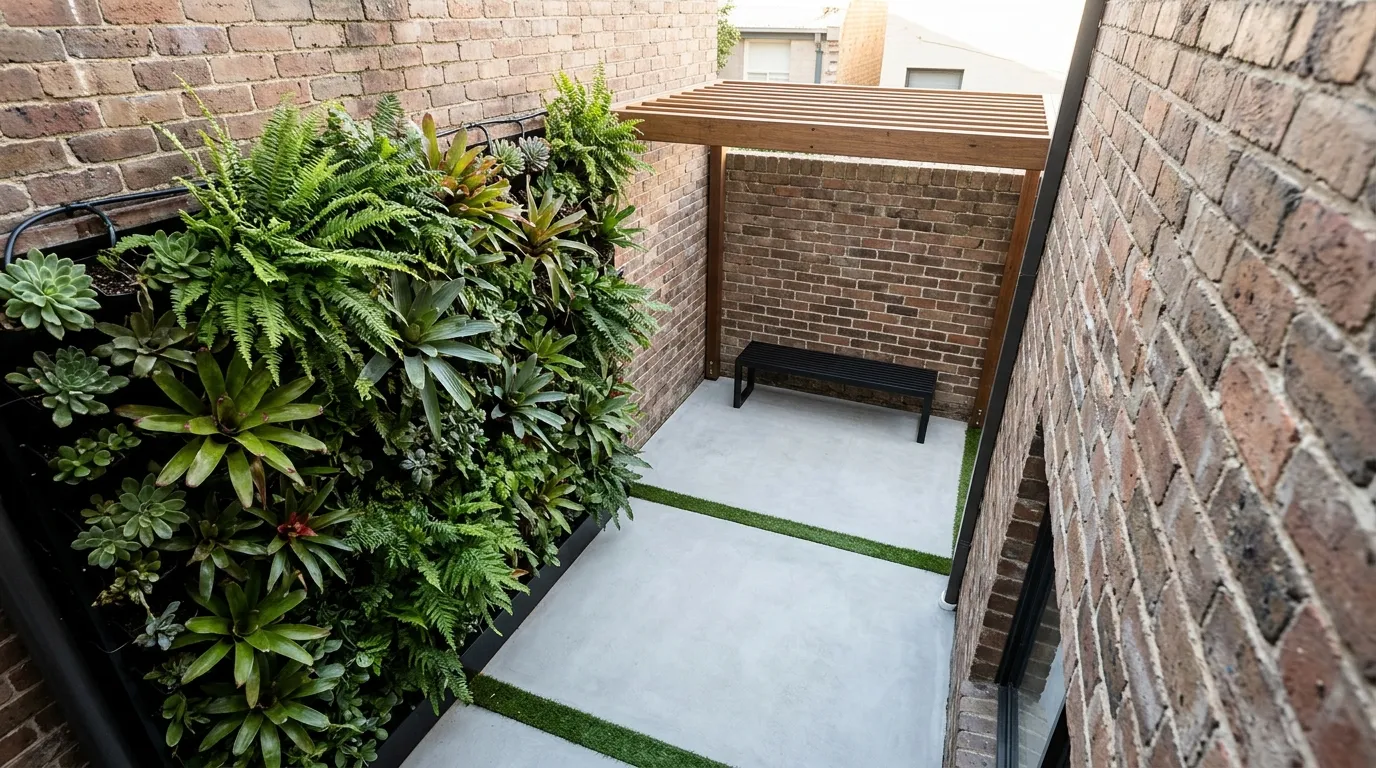
A vertical garden is one of the smartest ways to add greenery without losing floor space. Small backyards often have fences or plain walls that feel empty, and those surfaces can become beautiful plant displays. You can use wall planters, trellis panels, ladder shelves, hanging pots, or pocket planters depending on your style. This idea works because it pulls the eye upward, making the yard feel taller and more layered. It also adds softness to hard surfaces like brick, vinyl fencing, or concrete.
The final look can feel lush without becoming crowded. Plant herbs near a kitchen door, trailing flowers near a seating area, or climbing vines along a trellis for privacy. If maintenance worries you, start with a few easy plants instead of covering the whole wall at once. I’ve noticed vertical gardens look best when the containers match or repeat in color. Black metal, natural wood, white pots, or terracotta can all work beautifully. This setup gives your backyard charm, privacy, and fresh texture.
3. Curved Pathways
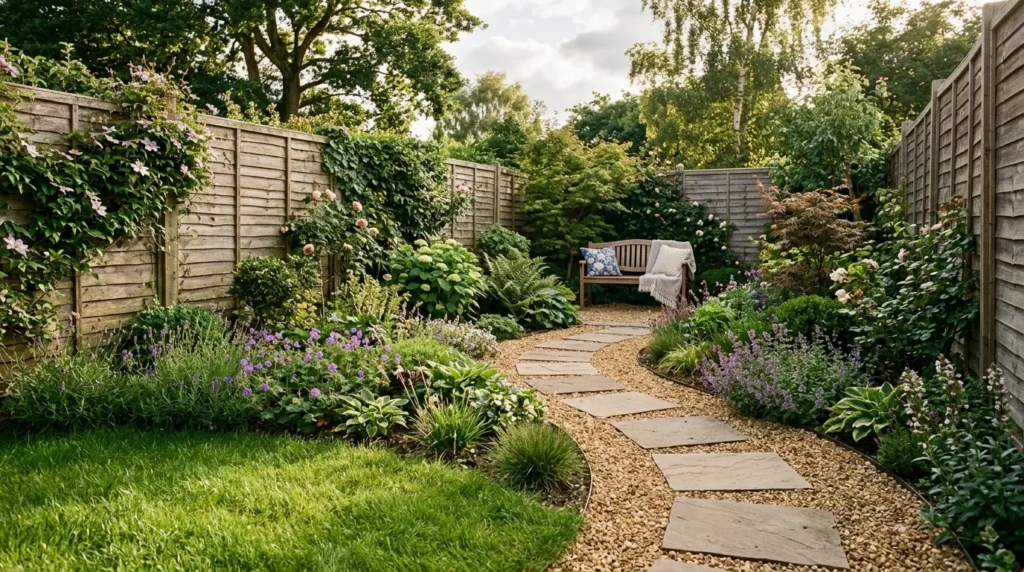
- Add a curved walkway using gravel, stepping stones, pavers, or mulch.
- Use curves to make the yard feel softer and less boxy.
- Keep the path narrow but comfortable enough for natural walking.
- Add low plants along the edges for a finished garden look.
- Use the path to guide the eye toward seating, flowers, or a focal point.
A curved pathway can make a small backyard feel more interesting immediately. Straight lines are useful, but they can sometimes make a tiny yard feel shorter and more rigid. A soft curve creates movement and encourages the eye to travel through the space slowly. This works especially well in rectangular yards, side yards, and narrow outdoor areas. Materials like pea gravel, stepping stones, decomposed granite, or simple pavers can create the path without requiring a complicated build or expensive installation.
The transformation is both visual and practical. A curved path gives guests a natural route through the yard while making the design feel more intentional. Add small border plants, solar lights, or mulch along the edges to create a finished look. Keep the curve gentle so it does not waste walking space. This idea pairs beautifully with a bench, small fountain, raised garden bed, or cozy seating corner at the end. It turns a plain yard into a place that feels planned and inviting.
4. Layered Borders
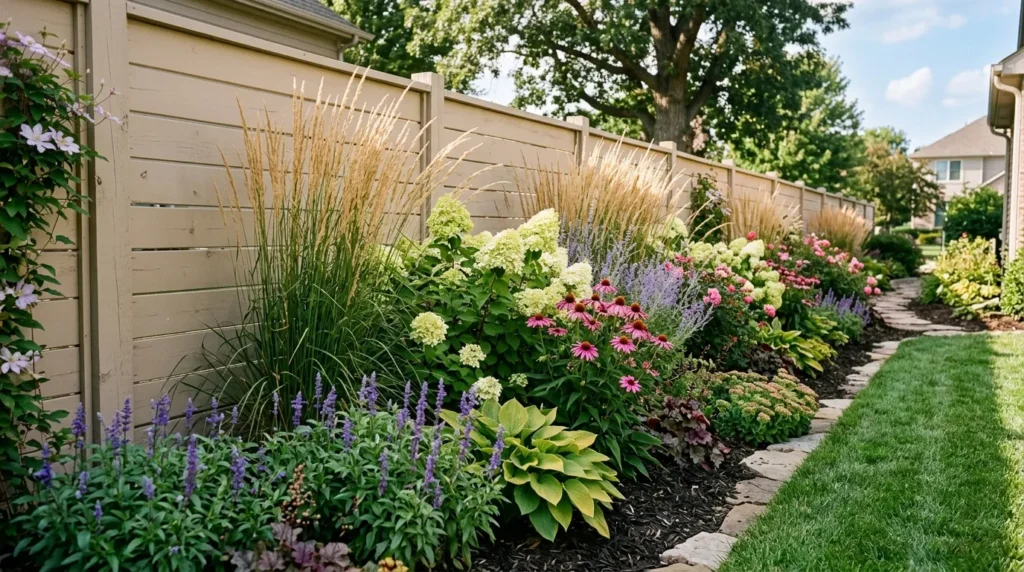
- Use plants in different heights to create depth along fences or edges.
- Place taller shrubs in the back, medium plants in the middle, and low plants in front.
- Mix evergreen plants with seasonal flowers for year-round interest.
- Keep the border narrow if your backyard has limited walking space.
- Repeat a few plant varieties instead of using too many random choices.
Layered plant borders make a small backyard feel fuller without taking over the center. This idea works because it uses the edges of the yard, leaving the middle open for seating, walking, or entertaining. A good border usually includes height, texture, and repetition. Taller shrubs or ornamental grasses can sit near the fence, medium flowers can fill the middle, and low ground cover can soften the front edge. That’s why many designers recommend layering when a yard needs depth but has limited square footage.
The finished effect can make even a simple fence line look professionally styled. Use evergreen plants for structure, then add seasonal color with flowers or containers. In warmer areas, try grasses, lavender, salvia, or rosemary. In cooler regions, mix boxwood, hostas, hydrangeas, or native perennials suited to your zone. Keep the plant palette controlled so the border does not look messy. This type of Landscape Design helps a small backyard feel greener, softer, and more private without filling every inch with plants.
5. Built-In Seating
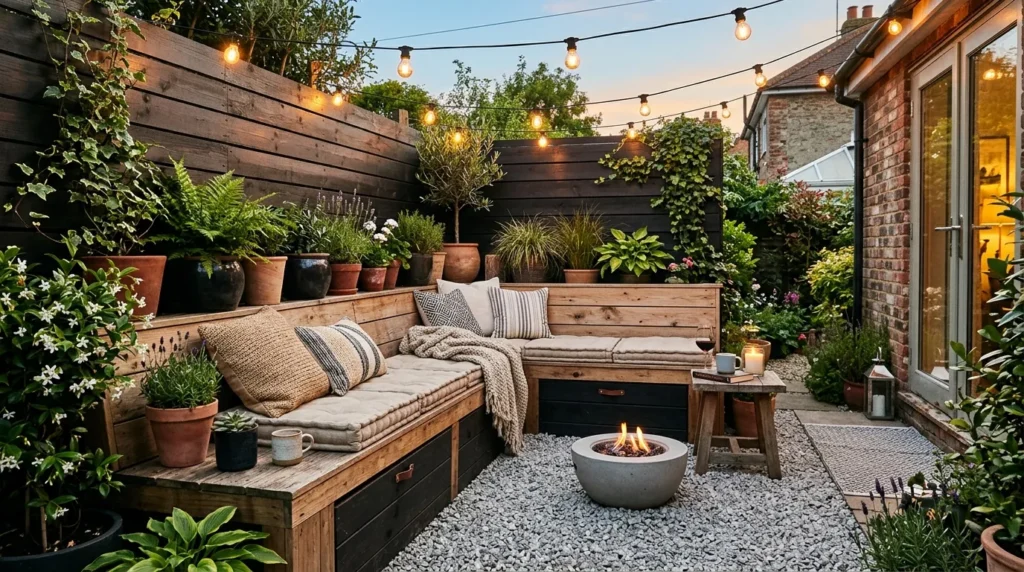
- Add a bench along a fence, wall, deck edge, or raised bed.
- Use storage benches if you need space for cushions, tools, or outdoor toys.
- Choose wood, concrete, brick, or composite materials based on your home style.
- Add outdoor cushions to make the seating comfortable and visually warmer.
- Keep the bench narrow so it does not block movement through the yard.
Built-in seating saves space because it hugs the edges instead of floating in the middle. In a small backyard, loose chairs can quickly make the layout feel crowded, especially when people need room to walk around them. A bench along a fence, wall, or raised bed creates seating without wasting precious square footage. It also makes the yard feel custom because the furniture looks connected to the architecture. In my experience, built-in seating is one of the best upgrades for compact outdoor entertaining.
The final result feels clean, useful, and easy to style. Add weather-resistant cushions, outdoor pillows, and a small side table to make the bench comfortable. If storage is needed, choose a lift-top bench or drawers underneath for garden tools, toys, or seasonal decor. Wood brings warmth, concrete feels modern, and brick looks classic. Place plants behind or beside the bench to soften the structure. This idea can turn an unused fence line into the most inviting part of the backyard.
6. Small Fire Pit
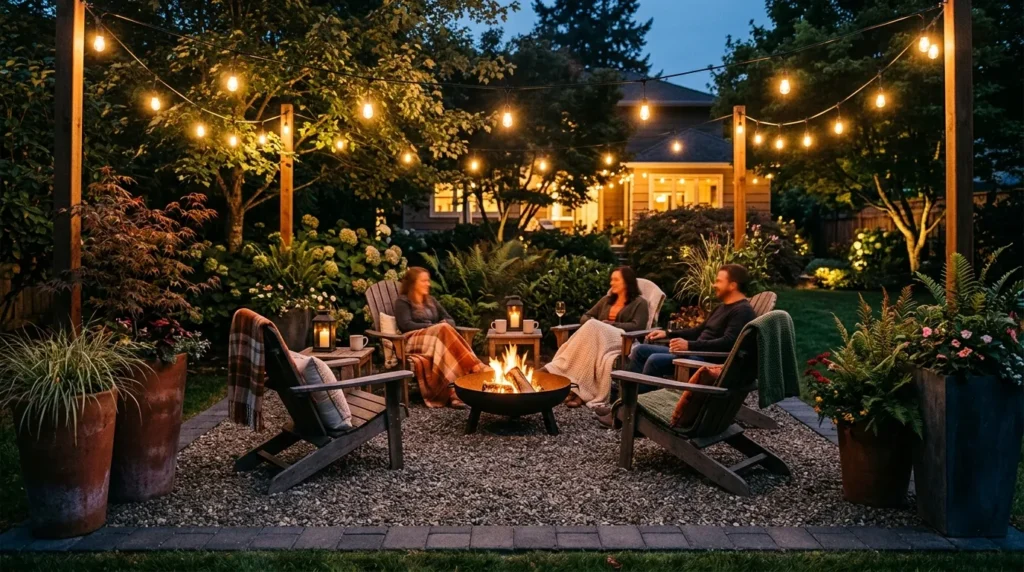
- Choose a compact fire bowl, tabletop fire feature, or small built-in fire pit.
- Keep the seating simple with two to four chairs around the fire area.
- Follow local fire rules and keep the feature away from fences, trees, and structures.
- Use gravel, pavers, or stone under the fire area for safety and style.
- Store cushions and throws nearby to make the space cozy during cooler evenings.
A small fire pit can make a compact backyard feel cozy and social. You do not need a large circular patio or oversized sectional to create a warm gathering spot. A compact fire bowl with two chairs can be enough for relaxing evenings, casual conversation, or weekend drinks. The important part is placement. Keep the fire feature away from fences, low branches, and anything flammable, and always follow local rules. A safe, simple setup looks better than a crowded one that feels forced.
The transformation is strongest when the fire pit area feels like its own mini destination. Use gravel, stone pavers, or concrete tiles underneath to define the zone. Add two chairs, a small side table, and weather-safe cushions for comfort. String lights overhead can make the space feel magical without using much floor area. This idea works beautifully for townhomes, small patios, and narrow yards when scaled correctly. It gives the backyard warmth, purpose, and a reason to be used after sunset.
7. Container Corners
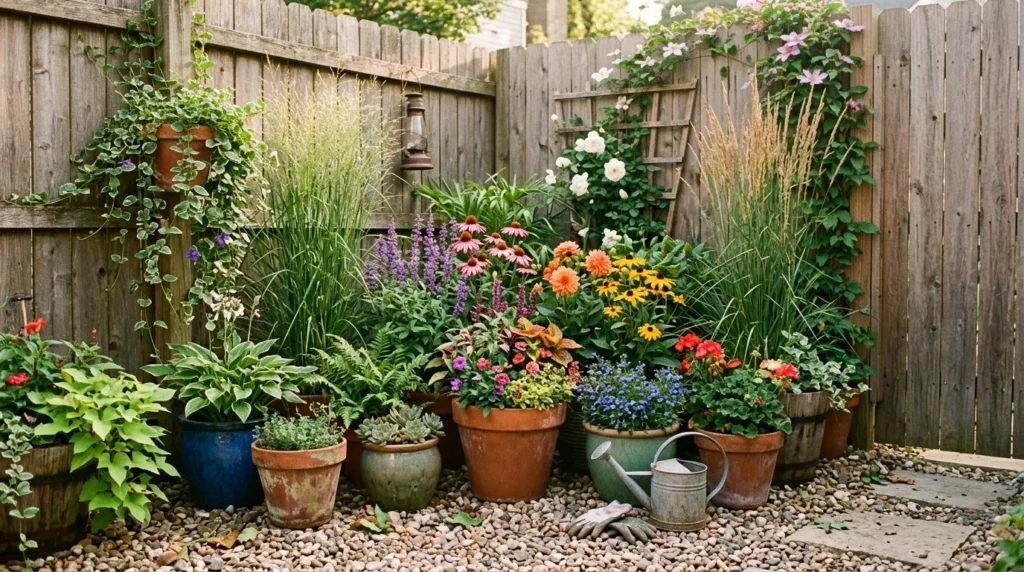
- Group pots in corners to add greenery without permanent garden beds.
- Mix tall, medium, and low containers for a layered look.
- Use matching pot colors to keep the arrangement polished.
- Choose plants based on sunlight, shade, and watering needs.
- Move containers seasonally to refresh the backyard without redesigning everything.
Container corners are perfect for small backyards because they add impact without commitment. If you rent, have poor soil, or do not want to dig garden beds, pots give you flexibility. A corner arrangement can include a tall planter with grasses, a medium pot with flowers, and a low bowl with trailing plants. This creates layers in a small footprint. I’ve seen this work well in many homes because containers can hide awkward corners and make a yard feel styled almost instantly.
The finished look depends on grouping, not quantity. Three well-chosen containers usually look better than ten mismatched pots scattered everywhere. Use similar materials like terracotta, black ceramic, concrete, or woven-look planters to create a cohesive style. Add herbs near a dining area, flowers near seating, or evergreens near a fence for structure. Containers also make seasonal updates easy because you can change plants without changing the whole layout. This idea is practical, affordable, and especially useful for patios, decks, and small fenced yards.
8. Privacy Screens
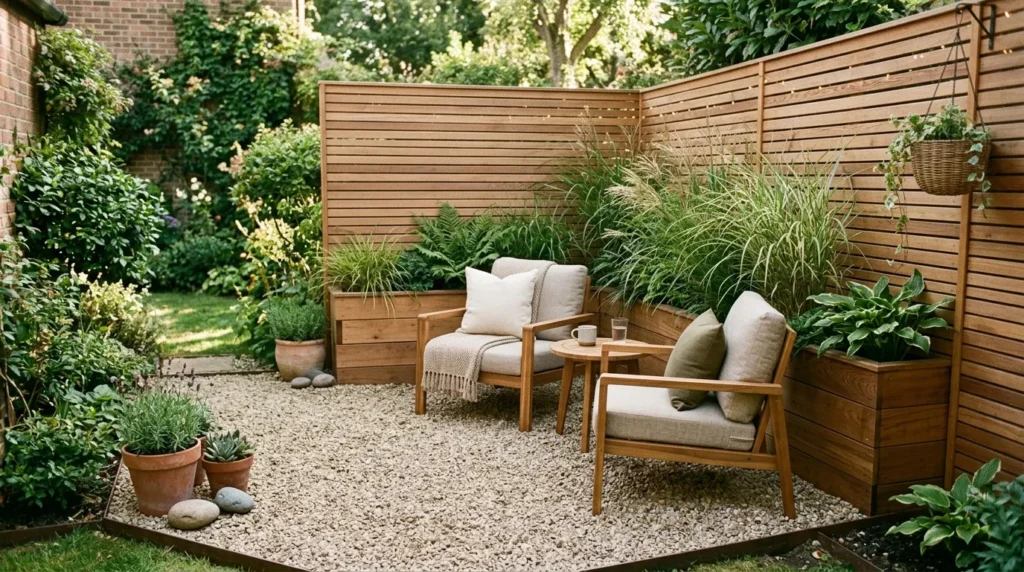
- Use lattice panels, slatted wood screens, tall planters, or climbing vines for privacy.
- Place screens where neighbors, streets, or nearby windows feel most visible.
- Keep the screen design light enough so the yard does not feel boxed in.
- Add plants around the base to soften hard edges and create a natural look.
- Choose materials that match your fence, deck, or outdoor furniture.
Privacy makes a small backyard feel more relaxing and usable. Even a beautiful space can feel uncomfortable if it is fully exposed to neighbors, sidewalks, or nearby windows. A privacy screen does not have to cover the entire yard. Sometimes one slatted panel behind a seating area or a row of tall planters near a fence is enough. This idea works because it creates a sense of enclosure while still keeping the space open, breathable, and friendly instead of dark or closed off.
The transformation is immediate when the screen is placed where people actually sit. Use wood slats for a modern look, lattice for cottage charm, bamboo for a softer natural style, or planters with tall grasses for flexible privacy. Add climbing plants if you want the screen to become greener over time. Keep the color connected to your fence or furniture so it feels intentional. A good privacy feature can turn a small yard from a pass-through space into a personal outdoor room.
9. Outdoor Lighting
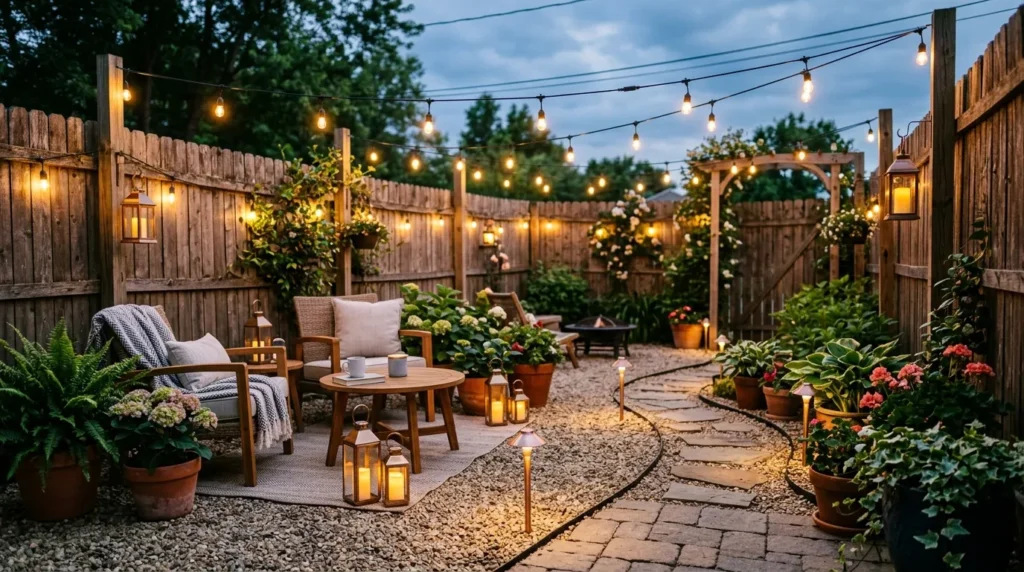
- Layer string lights, path lights, wall sconces, and lanterns for depth.
- Use warm white lighting to create a soft evening mood.
- Place lights near steps, pathways, seating, and dining areas for safety.
- Choose solar lights for simple installation where wiring is not practical.
- Avoid using too many bright lights that make the yard feel harsh.
Outdoor lighting can make a small backyard feel bigger after dark. Without lighting, the yard often disappears at night and feels less useful. With the right placement, lights create depth, highlight plants, define pathways, and make seating areas feel warm. String lights are popular because they add charm overhead without taking up floor space. Path lights guide movement, lanterns add glow, and wall sconces can make a fence or patio wall feel more finished. The goal is soft layering, not brightness everywhere.
The final effect can feel romantic, cozy, and surprisingly high-end. Use warm white bulbs instead of cool blue-toned lights for a more flattering outdoor atmosphere. Hang string lights above a dining corner, add lanterns near a bench, and use small solar lights along a path. Keep wires tidy and choose weather-rated fixtures for outdoor safety. This idea is one of the easiest ways to make a small backyard feel like an evening retreat, especially for dinners, quiet reading, or weekend gatherings.
10. Mini Lawn
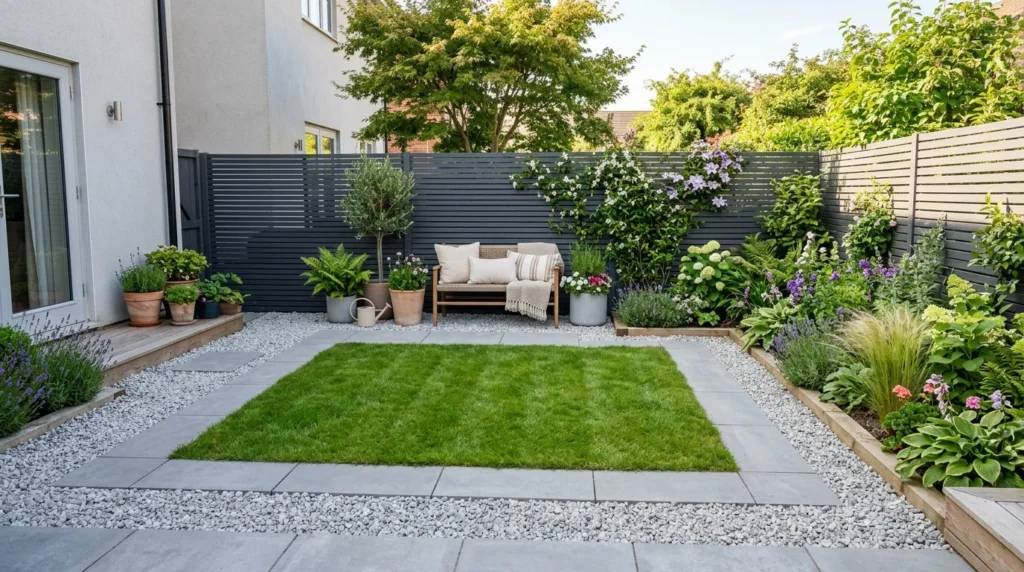
- Keep a small patch of grass or turf for pets, kids, or visual softness.
- Frame the lawn with pavers, gravel, planters, or low garden beds.
- Choose real grass, clover, artificial turf, or low-maintenance ground cover.
- Keep the shape simple so the yard feels clean and easy to maintain.
- Avoid making the lawn too large if seating and planting areas are also needed.
A mini lawn can give a small backyard breathing room when it is planned carefully. Many people think a tiny yard should be all patio or all plants, but a small green patch can make the space feel softer and more open. This is especially helpful for pets, kids, or homeowners who simply enjoy the look of grass. The key is keeping the shape intentional. A small rectangle, square, or curved patch looks better than a leftover strip with no purpose.
The finished yard feels balanced when the lawn is framed properly. Use pavers, gravel, or garden beds around the edges to make the green area look designed. If real grass is hard to maintain, consider clover, artificial turf, or region-friendly ground cover. Add a bench, planters, or string lights nearby so the lawn feels connected to the rest of the yard. This idea gives your outdoor space softness, color, and flexibility while still leaving room for seating and plants.