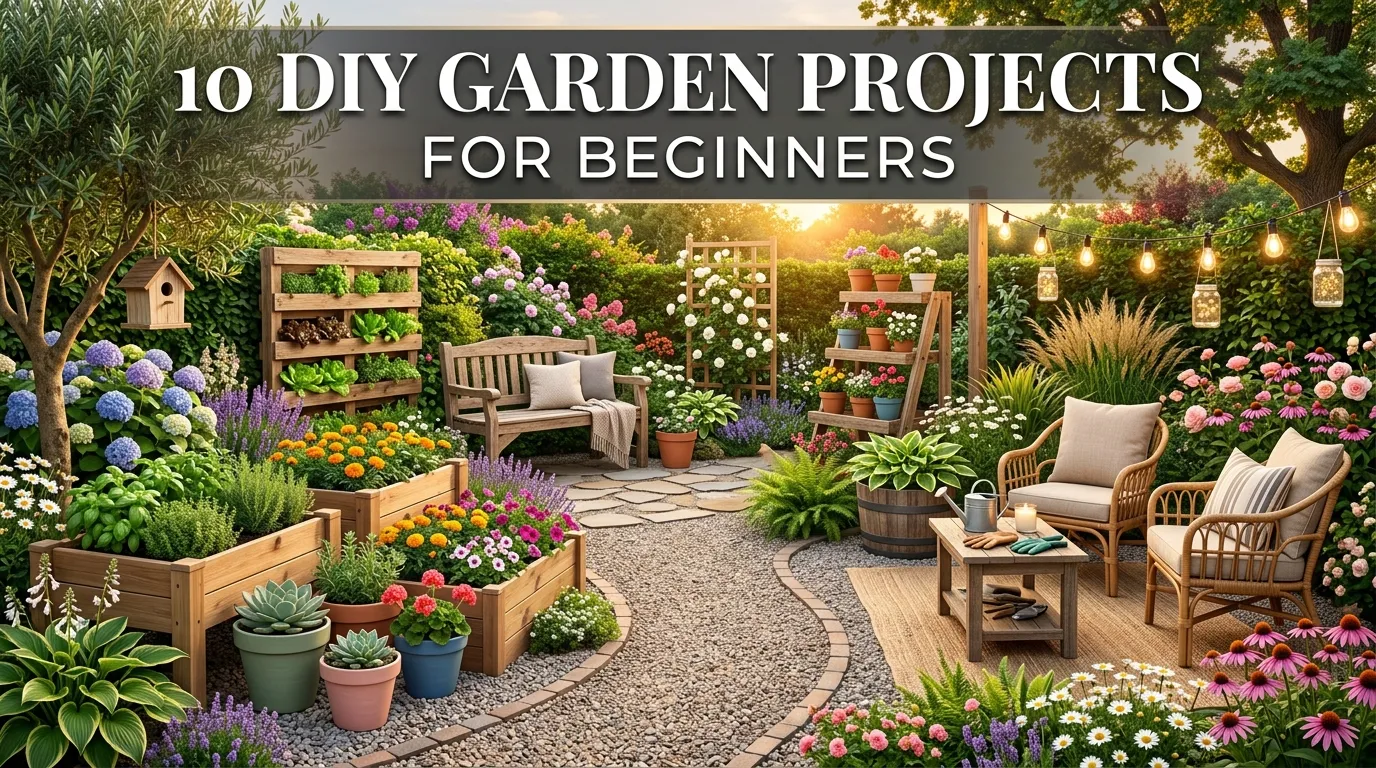
10 DIY Garden Projects for Beginners
Creating a beautiful garden doesn’t require years of experience, expensive landscaping services, or a backyard that’s straight out of a magazine. In fact, some of the most charming outdoor spaces begin with a few simple weekend projects and a little creativity. Whether you’re working with a spacious backyard, a compact patio, or even a small side yard, there are countless ways to make your outdoor space feel more inviting without overwhelming yourself.
If you’ve always wanted to start gardening but weren’t sure where to begin, you’re not alone. Many beginners assume they need specialized tools, advanced landscaping knowledge, or a large budget before they can make noticeable improvements. In my experience, that’s one of the biggest misconceptions. Starting with easy DIY projects helps you build confidence while creating practical features you’ll enjoy every day.
I’ve noticed that beginner-friendly projects often become the foundation for larger garden transformations over time. A simple raised bed can inspire a thriving vegetable garden, while a handmade pathway can completely redefine how your backyard feels and functions. Small improvements add personality, increase curb appeal, and create outdoor spaces where family and friends naturally want to gather.
This collection features approachable projects that combine beauty, functionality, and affordability. Each idea is designed to be manageable for first-time DIYers while delivering results that look polished and thoughtfully designed. Whether your goal is growing fresh herbs, adding colorful flowers, or creating a cozy outdoor retreat, these projects will help you take the first step toward a garden you’ll love spending time in.
Table of Contents
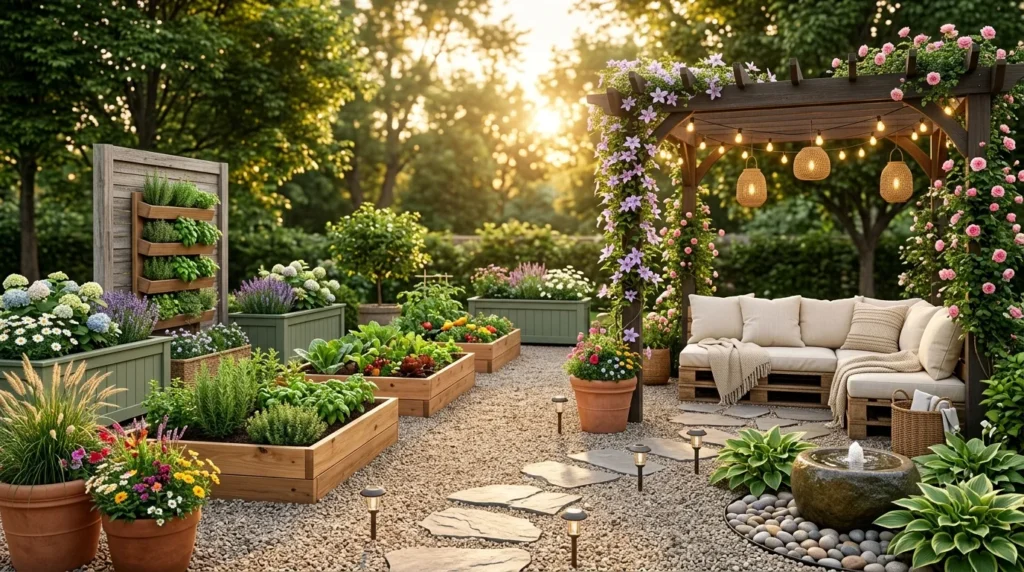
1. Raised Garden Beds
Build an organized planting space that’s easy to maintain.
2. Stone Garden Path
Create attractive walkways that improve both style and accessibility.
3. Wooden Planter Boxes
Add decorative planting areas for flowers, herbs, or vegetables.
4. Vertical Garden Wall
Maximize growing space with beautiful vertical displays.
5. Mulched Flower Borders
Define garden beds while improving plant health.
6. DIY Bird Feeder Station
Invite birds that bring life and natural pest control.
7. Garden Bench Corner
Create a relaxing outdoor seating area.
8. Decorative Trellis
Support climbing plants while adding height and texture.
9. Solar Light Pathway
Enhance evening ambiance with simple lighting.
10. Herb Container Garden
Grow fresh herbs in attractive containers perfect for beginners.
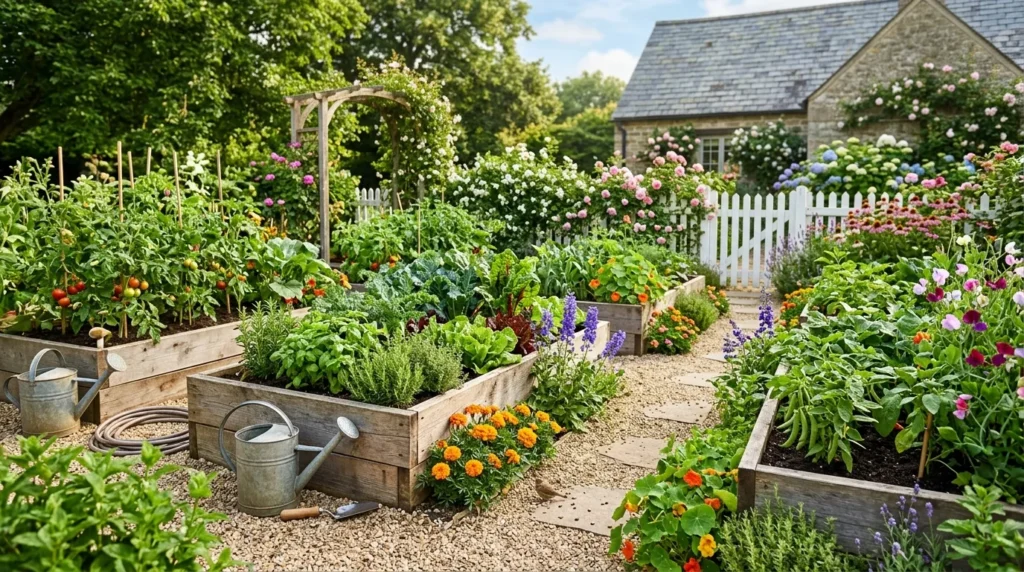
1. Raised Garden Beds
Quick Benefits
- Easier planting and maintenance
- Better soil quality
- Improved drainage
- Fewer weeds
- Ideal for vegetables and flowers
Why It Works
Raised garden beds are often the first project experienced gardeners recommend because they simplify nearly every aspect of gardening. Instead of struggling with compacted or poor-quality soil, you create the perfect growing environment from the start. That’s why many designers recommend raised beds for beginners—they offer greater control over soil composition, moisture, and plant spacing.
Another advantage is accessibility. Since the planting area sits above ground level, bending and kneeling become much easier. Raised beds also create a cleaner, more organized appearance that instantly makes a garden look professionally designed. Whether you’re growing colorful flowers or fresh vegetables, this project provides an excellent foundation for future gardening success.
How To Style It
Choose untreated cedar or naturally weather-resistant wood for long-lasting durability. Position the bed in an area receiving six to eight hours of sunlight each day. Fill it with quality garden soil mixed with compost to encourage healthy root growth.
Surround the raised bed with gravel, mulch, or stepping stones to create a neat appearance while reducing mud around the planting area. Plant taller vegetables toward the back and shorter flowers or herbs near the edges for a balanced, layered look. Adding small plant markers and a watering can nearby completes the charming cottage-style aesthetic that Pinterest users love.
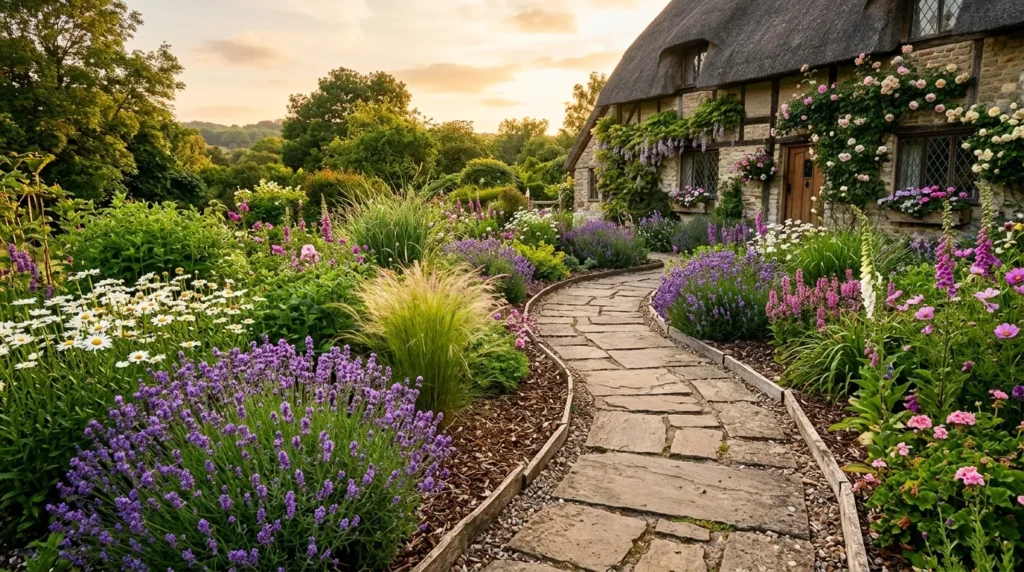
2. Stone Garden Path
Quick Benefits
- Improves accessibility
- Reduces muddy walkways
- Defines outdoor spaces
- Adds visual interest
- Increases curb appeal
Why It Works
A thoughtfully designed pathway creates structure throughout the garden while making every section easier to enjoy. Without clear walkways, people naturally walk across grass or flower beds, which can damage plants and create worn patches. One simple trick I always suggest is installing a stone path before tackling larger landscaping projects because it immediately gives the yard a finished appearance.
Stone pathways also encourage exploration. They naturally guide visitors through flower beds, vegetable gardens, or cozy seating areas while adding texture and character. Whether your style leans rustic, farmhouse, or modern, a pathway blends functionality with timeless beauty.
How To Style It
Use natural flagstone, stepping stones, or concrete pavers spaced evenly along the desired route. Fill gaps with gravel, mulch, creeping thyme, or moss for a soft, established look. Slightly curved pathways often appear more natural than perfectly straight lines.
Border the path with lavender, ornamental grasses, or low-growing flowers to soften the edges. Solar lights placed along both sides provide evening ambiance while making the walkway safer after dark. The combination creates an inviting outdoor experience throughout every season.
3. Wooden Planter Boxes
Quick Benefits
- Affordable DIY project
- Adds height variation
- Perfect for patios
- Easy to customize
- Great for flowers and herbs
Why It Works
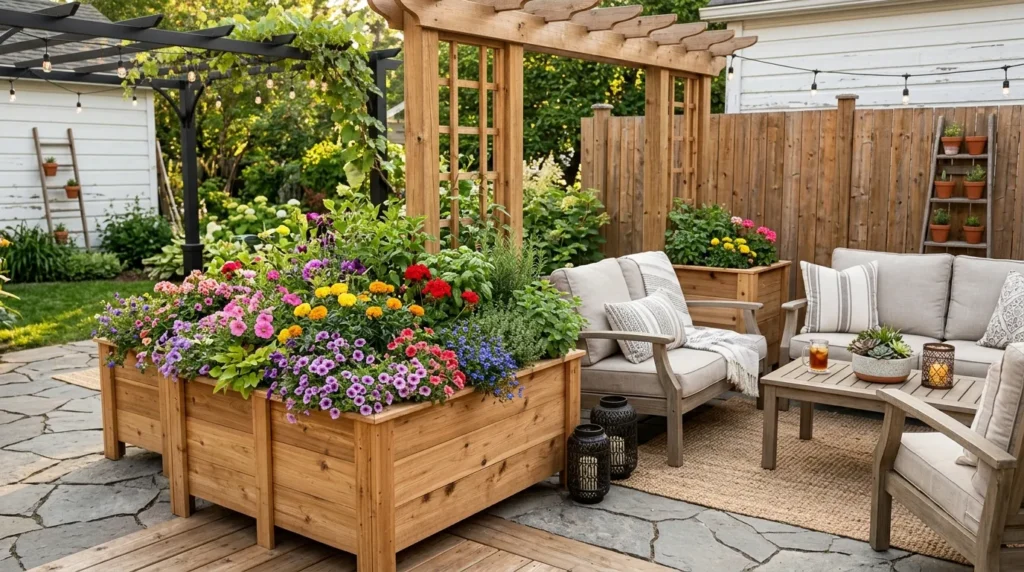
Wooden planter boxes bring flexibility to any outdoor space because they can be moved, rearranged, or expanded as your garden grows. If you’re anything like me, you’ll appreciate having the freedom to experiment with different layouts before committing to permanent landscaping.
These planters also help organize outdoor spaces by separating flowers, herbs, or decorative plants into distinct zones. Their clean lines complement nearly every design style, from modern farmhouse to coastal gardens, making them one of the most versatile beginner projects available.
How To Style It
Build simple rectangular boxes using cedar boards or weather-treated lumber. Apply a natural wood stain or outdoor-safe paint that complements your home’s exterior. Ensure drainage holes are added to protect plant roots from excess water.
Mix colorful annual flowers with trailing greenery to create fullness and visual interest. For edible gardens, combine basil, parsley, rosemary, and thyme in one planter for an attractive and functional herb display. Group planters in varying sizes together to create depth and a professionally styled arrangement.
4. Vertical Garden Wall
Quick Benefits
- Saves space
- Adds greenery
- Perfect for small yards
- Creates a focal point
- Easy to maintain
Why It Works
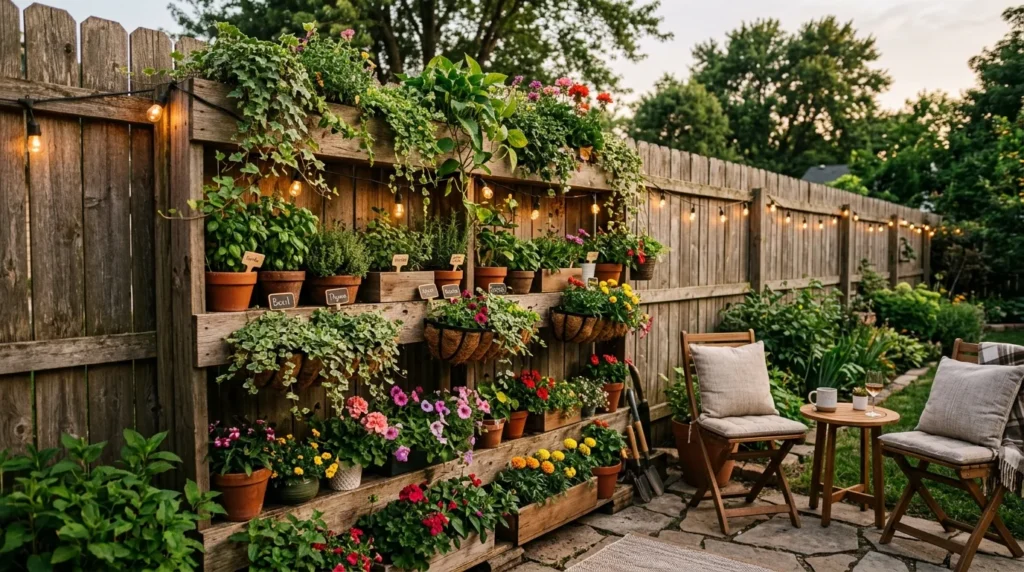
Limited outdoor space doesn’t have to limit creativity. Vertical gardens transform blank fences or walls into lush living displays that maximize every square foot. I’ve seen this idea completely transform tiny patios into vibrant outdoor retreats filled with color and texture.
Growing upward also improves air circulation around plants while making watering and harvesting more convenient. Vertical gardens work especially well for herbs, succulents, strawberries, and decorative flowers, giving beginners an exciting way to expand their gardening possibilities.
How To Style It
Mount sturdy wooden pallets, metal grids, or modular wall planters securely against a fence or exterior wall. Choose lightweight containers filled with quality potting mix to reduce overall weight. Arrange plants with varying colors and leaf textures for a layered appearance.
Place trailing plants near the top while positioning upright varieties toward the center and lower sections. Mixing flowering plants with edible herbs creates both beauty and functionality. Finish the display with outdoor lanterns or string lights for a cozy Pinterest-inspired atmosphere.
5. Mulched Flower Borders
Quick Benefits
- Cleaner garden appearance
- Reduces weeds
- Retains soil moisture
- Protects plant roots
- Highlights flowers beautifully
Why It Works
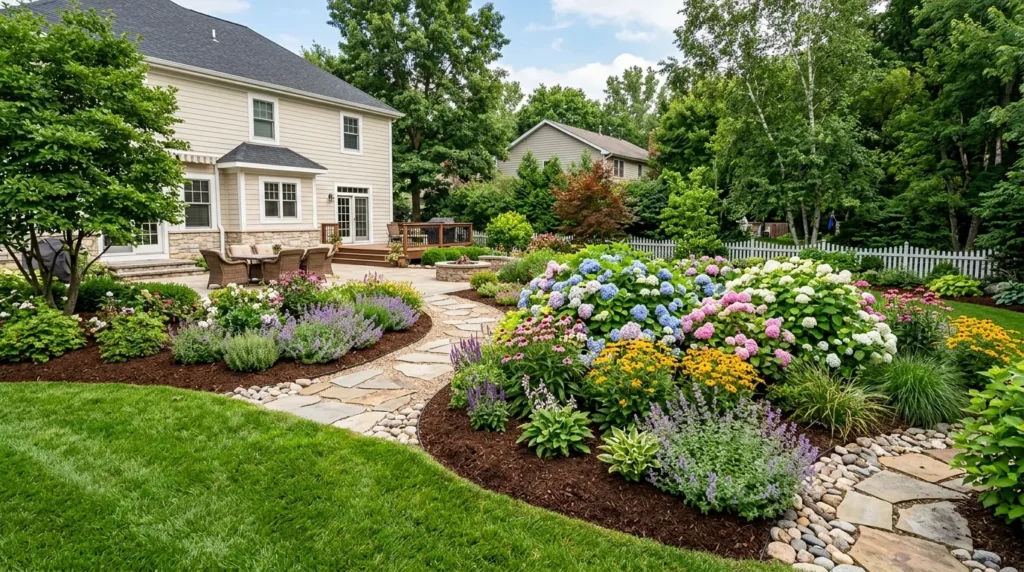
Well-defined flower borders instantly make a landscape appear polished and intentionally designed. A mistake many homeowners make is leaving bare soil exposed around plants, which often leads to weed growth, faster moisture loss, and a less finished appearance.
Mulch solves several problems at once. Besides improving the visual appeal of flower beds, it helps regulate soil temperature, conserves moisture during hot summers, and gradually enriches the soil as organic mulch breaks down. It’s one of the simplest improvements with one of the biggest visual impacts.
How To Style It
Outline flower beds with a clean edge using a garden spade or landscape edging. Spread two to three inches of shredded bark, cedar mulch, or pine nuggets evenly around plants while leaving a small gap around stems to prevent rot.
Choose mulch colors that complement your home’s exterior and surrounding landscaping. Pair dark mulch with bright flowers for dramatic contrast, or use natural brown mulch for a softer cottage-garden look. Finish the border with decorative stones or low-growing plants to create a beautifully layered landscape that feels professionally maintained.
6. DIY Bird Feeder Station
Quick Benefits
- Attracts colorful birds year-round
- Encourages natural pest control
- Adds movement and life
- Creates a relaxing backyard atmosphere
- Easy weekend DIY project
Why It Works
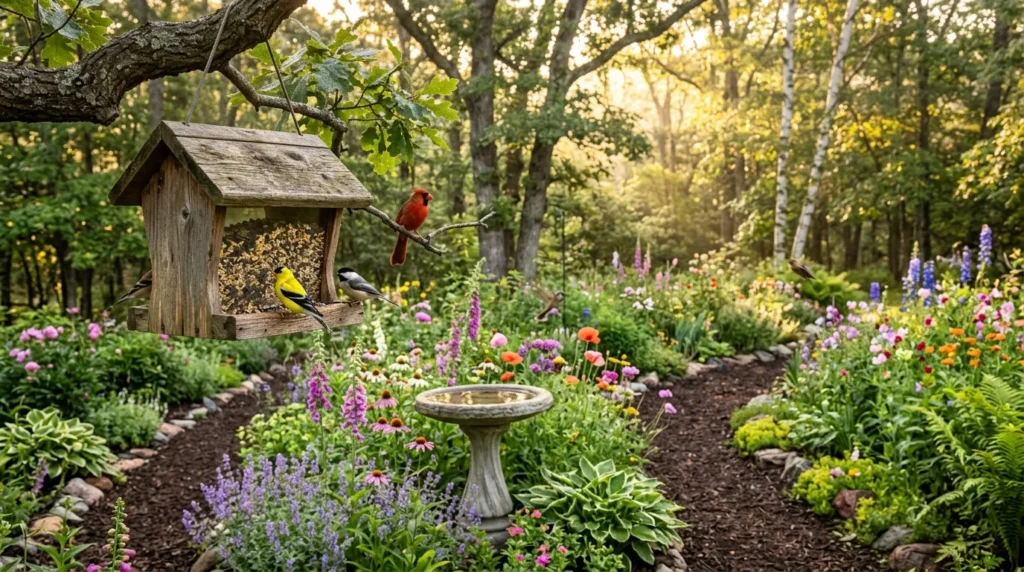
A bird feeder station transforms an ordinary garden into a lively outdoor retreat. Birds not only add cheerful sounds and beautiful colors but also help control insects naturally by feeding on common garden pests. That’s why many experienced gardeners include bird-friendly features as part of their landscape design.
Beyond its practical benefits, a bird feeder creates a peaceful focal point. Watching birds visit throughout the day adds personality and movement that make a garden feel alive. It’s also a wonderful project for families, giving everyone a chance to connect with nature without requiring advanced gardening skills.
How To Style It
Use a sturdy wooden or metal post placed near shrubs or small trees where birds feel protected. Hang a combination of seed feeders, suet cages, and a shallow birdbath to attract different species. Add a few native flowering plants nearby to provide natural shelter and extra food sources.
Decorate the area with natural stones, mulch, and a small bench for a cozy bird-watching corner. Keeping the feeder station clean and stocked year-round ensures it remains an inviting feature that enhances your garden in every season.
7. Garden Bench Corner
Quick Benefits
- Creates a relaxing retreat
- Defines outdoor living space
- Encourages more time outside
- Adds charm and character
- Increases backyard functionality
Why It Works
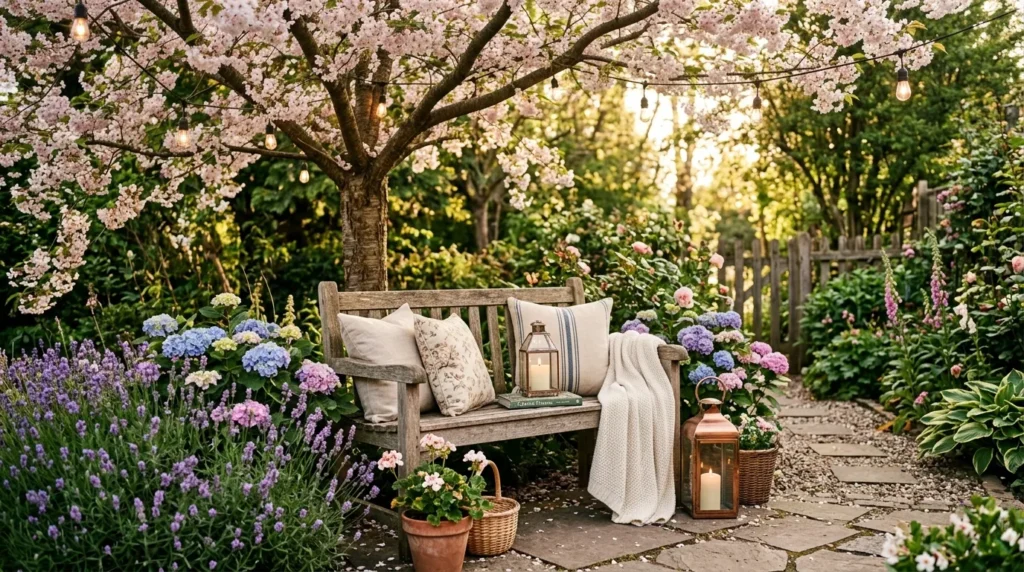
Every beautiful garden deserves a place where you can pause and enjoy the surroundings. A dedicated seating area turns your backyard from a space you simply maintain into one you truly experience. In my experience, adding even a simple bench encourages people to spend more time outdoors, whether it’s enjoying morning coffee, reading a book, or unwinding after a busy day.
A garden bench also serves as a visual anchor, helping tie together flower beds, pathways, and decorative features. It creates balance while making the landscape feel complete and intentionally designed.
How To Style It
Choose a weather-resistant wooden, metal, or composite bench that complements your home’s style. Place it beneath a shade tree, beside flower beds, or at the end of a garden path for a picturesque view. Surround the area with ornamental grasses, hydrangeas, or lavender to create a peaceful setting.
Layer outdoor cushions in neutral tones, add a lantern or small side table, and include potted flowers nearby for warmth and personality. String lights overhead can make the space feel even more inviting during the evening hours.
8. Decorative Trellis
Quick Benefits
- Supports climbing plants
- Adds vertical interest
- Saves garden space
- Creates privacy
- Enhances visual appeal
Why It Works
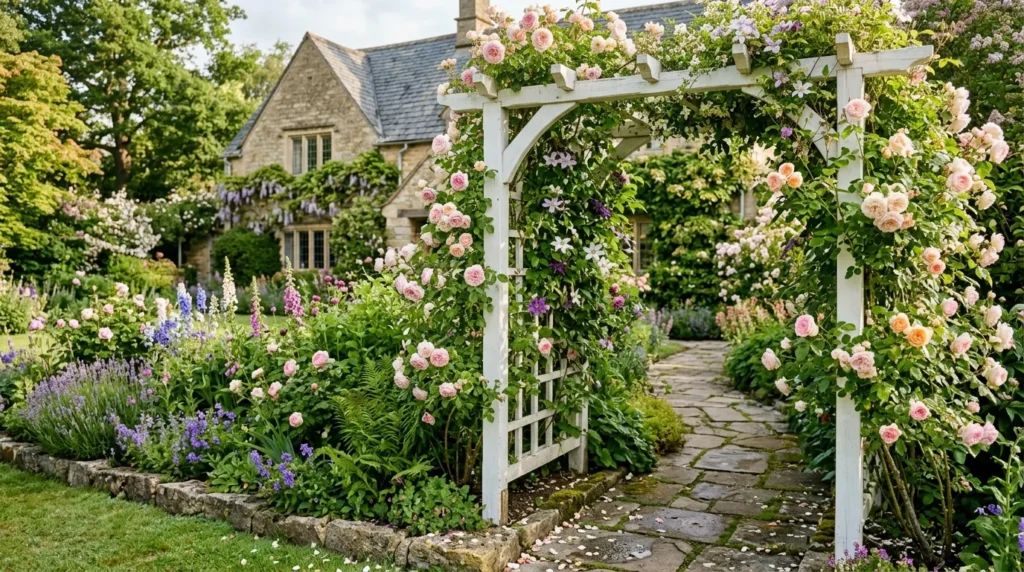
Vertical elements play an important role in creating depth within a garden. A decorative trellis draws the eye upward, making even small yards appear larger and more dynamic. I’ve noticed that climbing plants naturally soften fences and walls, creating a lush, layered landscape that feels professionally designed.
Trellises also improve plant health by increasing airflow and reducing overcrowding. They’re ideal for flowering vines, vegetables like cucumbers, and fragrant climbers such as jasmine or climbing roses.
How To Style It
Install a wooden or metal trellis against a fence, garden wall, or raised bed. Secure it firmly before planting climbing varieties at the base. Space plants evenly so they have room to spread naturally as they mature.
Complement the trellis with surrounding perennials, mulch, and decorative stones. A mix of flowering vines and evergreen foliage provides year-round interest while adding texture and height to your garden design.
9. Solar Light Pathway
Quick Benefits
- Improves nighttime safety
- Adds warm ambiance
- Highlights landscaping
- Energy efficient
- Easy installation
Why It Works
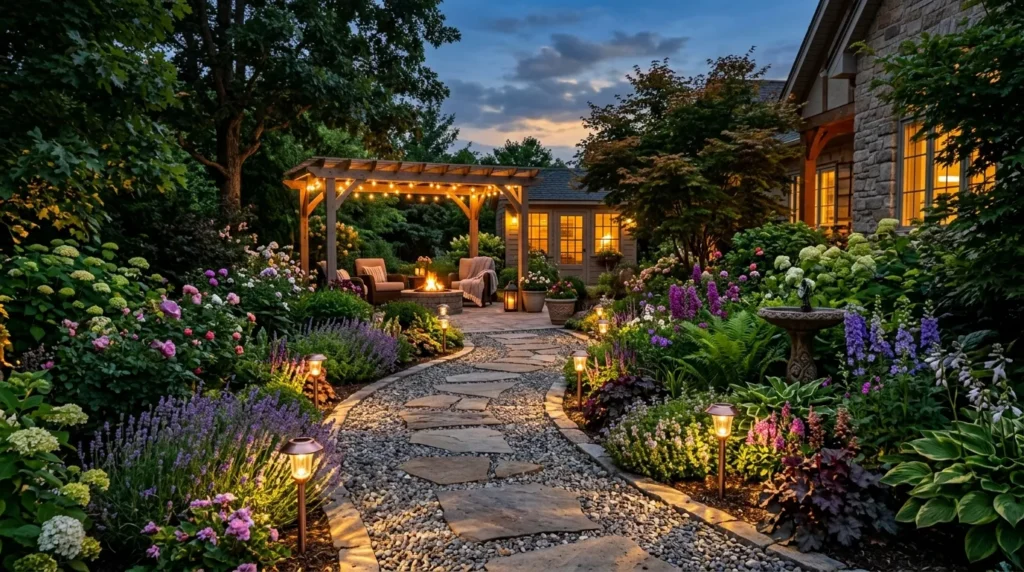
Outdoor lighting dramatically changes how a garden feels after sunset. Rather than disappearing into darkness, illuminated pathways create a welcoming atmosphere that extends the enjoyment of your outdoor space well into the evening. One simple trick I always suggest is using solar-powered lights because they require no electrical wiring and are incredibly beginner-friendly.
Besides improving safety, lighting emphasizes garden features like pathways, flower beds, and seating areas. The soft glow creates a cozy environment that feels both elegant and practical.
How To Style It
Install solar lights evenly along walkways, spacing them approximately six to eight feet apart. Choose warm white lighting for a softer, more inviting appearance. Avoid placing lights directly beside one another, as slightly staggered positioning often looks more natural.
Pair the lighting with decorative gravel, edging stones, or low-growing flowers to create a polished landscape design. As evening falls, the gentle illumination highlights your hard work while making the garden feel magical.
10. Herb Container Garden
Quick Benefits
- Perfect for beginners
- Saves space
- Fresh herbs year-round
- Low maintenance
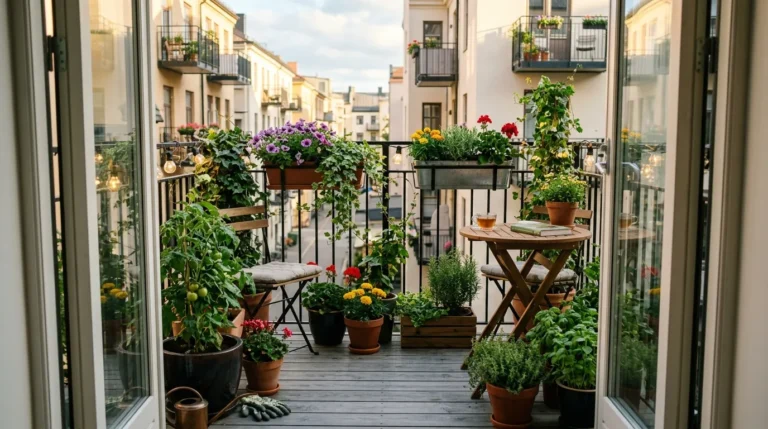
- Great for patios and balconies
Why It Works
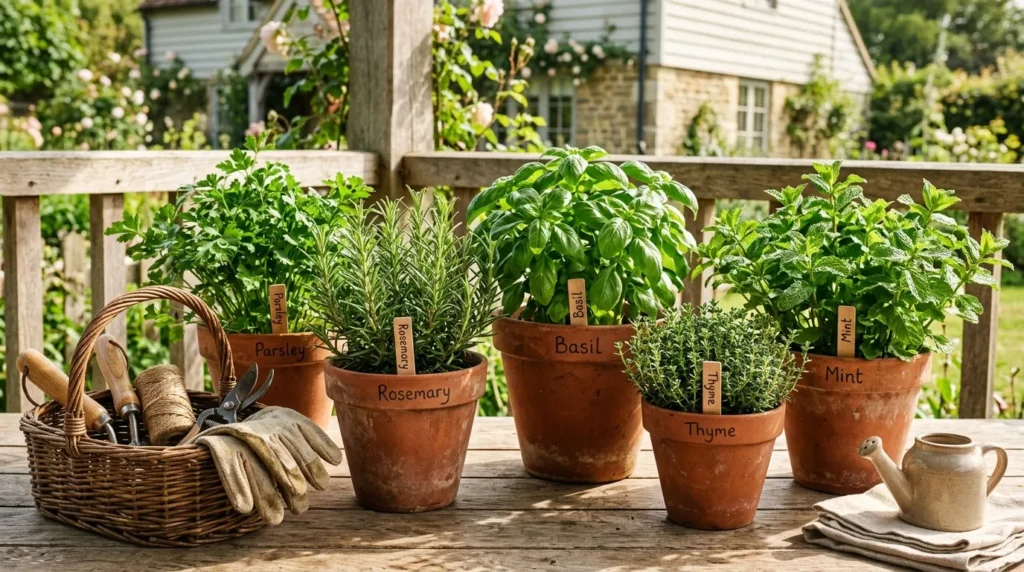
Growing herbs is one of the easiest ways to build gardening confidence. Many herbs thrive in containers, require minimal care, and reward you with fresh ingredients for everyday cooking. That’s why beginner gardeners often find herbs to be the perfect introduction to growing edible plants.
Container gardens also provide flexibility. You can move pots to maximize sunlight, protect plants during harsh weather, or redesign your outdoor layout whenever inspiration strikes. Their versatility makes them ideal for renters and homeowners alike.
How To Style It
Choose matching terracotta, ceramic, or galvanized metal containers with proper drainage. Plant popular herbs such as basil, rosemary, thyme, parsley, mint, and chives using high-quality potting soil.
Arrange containers at varying heights using wooden crates, plant stands, or shelves to create visual interest. Add simple plant labels and position the display near your kitchen door for convenient harvesting. The combination of fresh greenery and practical functionality creates an attractive feature that’s as useful as it is beautiful.
Frequently Asked Questions
What is the easiest DIY garden project for beginners?
Raised garden beds are one of the easiest projects to start with because they simplify planting, improve drainage, and allow you to control soil quality. They’re manageable to build over a weekend and provide an excellent foundation for growing flowers, vegetables, or herbs.
How much should I budget for beginner garden projects?
Most beginner-friendly projects can be completed for between $30 and $150, depending on the materials you choose. Repurposing items you already own, shopping seasonal sales, or using reclaimed wood can help reduce costs while still achieving beautiful results.
Do I need power tools for these DIY projects?
Not necessarily. Many projects require only basic hand tools like a hammer, screwdriver, measuring tape, shovel, and garden gloves. Larger projects may benefit from a drill or circular saw, but many home improvement stores also offer cutting services for lumber.
Which plants are best for beginner gardeners?
Easy-to-grow plants include marigolds, zinnias, lavender, hostas, basil, parsley, thyme, lettuce, and tomatoes. These varieties are generally forgiving, making them ideal for gardeners who are still learning proper watering and maintenance routines.
How can I make a small garden look bigger?
Incorporating vertical gardening, curved pathways, layered planting, mirrors, and varying plant heights helps create the illusion of more space. Keeping the design organized with clearly defined borders also makes compact gardens feel larger and more inviting.
How often should beginner gardeners maintain their projects?
Most gardens benefit from a quick weekly routine that includes watering, removing weeds, checking for pests, trimming dead flowers, and refreshing mulch when needed. Spending just a little time each week helps keep your outdoor space healthy and attractive throughout the growing season.
Conclusion
Creating a beautiful garden doesn’t have to feel overwhelming. The best outdoor spaces often begin with simple, manageable projects that gradually build confidence and inspire bigger ideas. Whether you choose to build a raised garden bed, install a charming stone pathway, or create a thriving herb container garden, each project adds both beauty and functionality to your outdoor living space.
Remember that gardening is a journey, not a race. Every project teaches new skills while giving you the opportunity to personalize your backyard in ways that reflect your lifestyle and taste. Small improvements can have a surprisingly big impact, turning even the simplest outdoor area into a place you’ll enjoy throughout the year.
Start with one or two projects that match your available space, budget, and experience level. As your confidence grows, you’ll naturally discover new ways to expand your garden and make it even more inviting. Before long, you’ll have created an outdoor retreat that’s not only beautiful but also a rewarding reflection of your creativity and hard work.
Related Articles
- 10 Small Backyard Landscaping Ideas
- 10 DIY Outdoor Patio Ideas on a Budget
- 10 Easy Raised Garden Bed Ideas
- 10 Beautiful Cottage Garden Ideas
- 10 DIY Garden Decor Ideas That Look Expensive