Styled By Home Decor
A beautiful home is not created by filling every corner. It is created by choosing pieces that make each room feel calm, useful, warm, and personal. The right colors, lighting, textures, furniture, wall art, and small details can turn an ordinary space into a place that feels styled without feeling staged.
For USA homes, the best Home Decor ideas are practical as well as pretty. A living room still needs comfort. A bedroom still needs rest. An entryway still needs storage. A dining area still needs to feel welcoming.
This guide is filled with easy, Pinterest-friendly styling ideas that help your home feel pulled together, cozy, fresh, and realistic for everyday living.
1. Warm Entryway
- Creates a welcoming first impression as soon as guests walk in.
- Works with mirrors, slim console tables, baskets, lamps, and wall hooks.
- Helps control shoes, bags, mail, keys, and daily clutter.
- Makes small foyers and hallway entrances feel more intentional.
- Adds style without blocking movement near the front door.
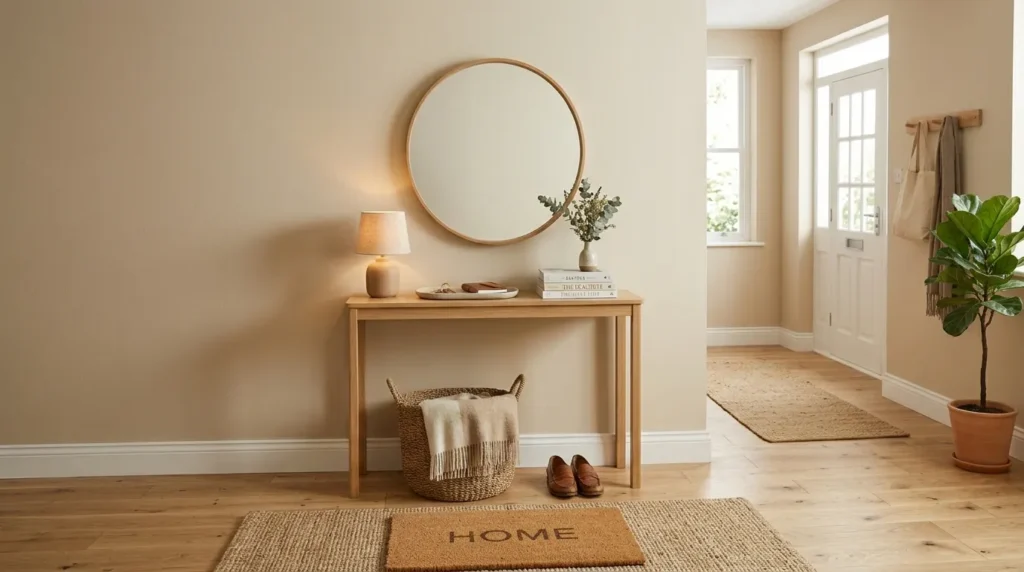
A warm entryway sets the mood before anyone sees the rest of your home. This idea works because the entrance is both practical and emotional. It is where you drop keys, take off shoes, welcome guests, and return after a long day. Use a slim console, a round mirror, a woven basket, and a small tray to create order. In my experience, one lamp or warm wall sconce can make an entry feel softer than overhead lighting alone.
The finished space feels organized, welcoming, and easy to maintain. A mirror reflects light and makes the entry look larger, while baskets hide shoes, scarves, or pet leashes. Keep the console surface simple with one vase, one tray, and maybe a candle or framed print. This keeps the area styled but not crowded. For families, hooks can make a huge difference because bags and jackets finally have a place. The result feels polished from the first step inside.
2. Styled Sofa
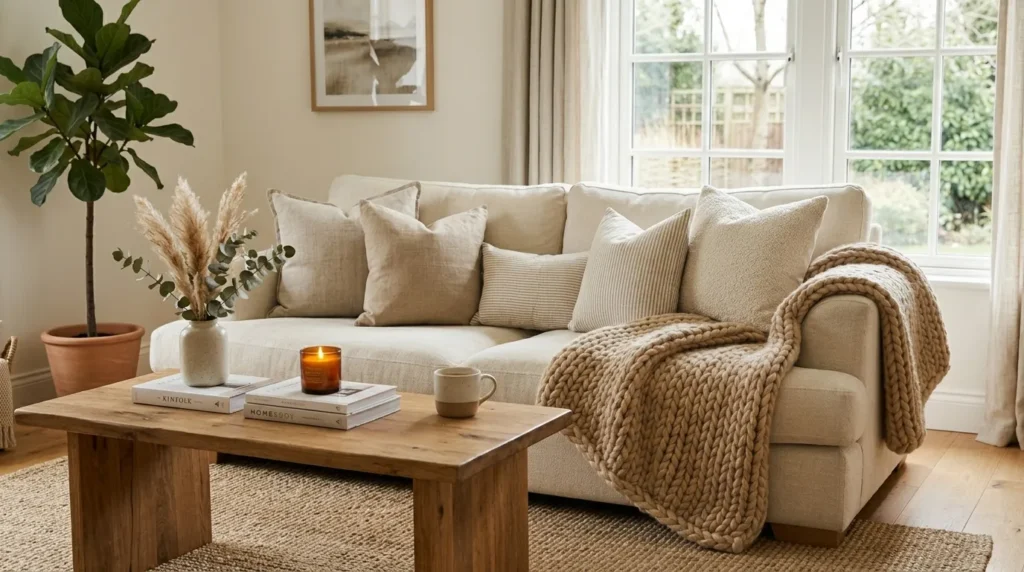
- Makes the living room feel cozy, balanced, and photo-ready.
- Works with throw pillows, blankets, textured fabrics, and neutral layers.
- Helps connect the sofa with the rug, coffee table, and wall colors.
- Adds personality without needing large furniture changes.
- Creates comfort for everyday lounging, reading, and hosting.
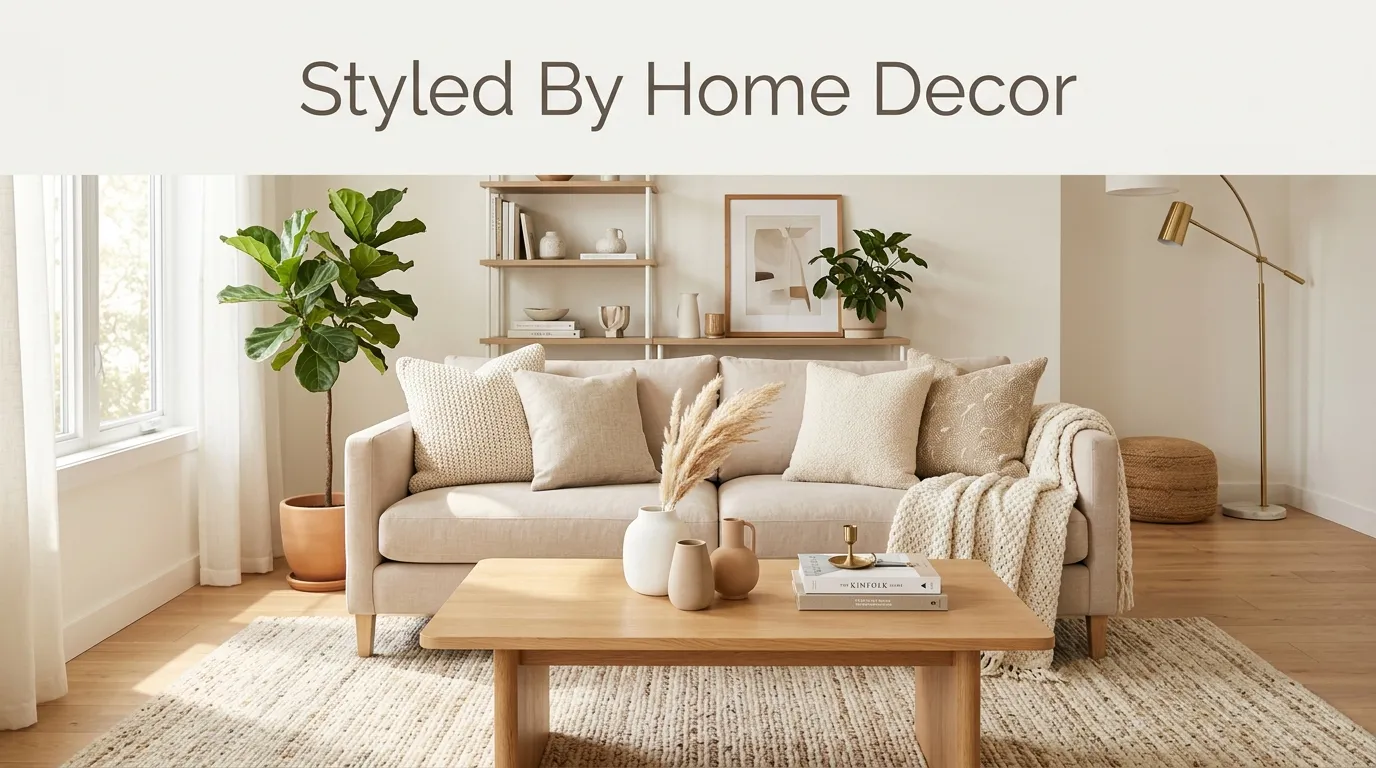
A styled sofa can change the whole feeling of a living room. This idea works because the sofa is usually the biggest visual piece in the space, so small changes there make a large impact. Start with two larger pillows at the back, then layer one or two smaller pillows in front. Add a throw blanket over one arm or across the seat. Keep the colors connected to the rug, curtains, or artwork so the room feels planned.
The transformation feels soft, cozy, and instantly more finished. Mix textures instead of using too many loud patterns. Linen, boucle, velvet, cotton, and chunky knit all add depth without overwhelming the room. If the sofa is dark, use lighter pillows to brighten it. If the sofa is light, add warm beige, olive, rust, navy, or black accents for contrast. This idea is practical because pillows and throws are easy to change seasonally, making the room feel fresh without buying new furniture.
3. Coffee Table
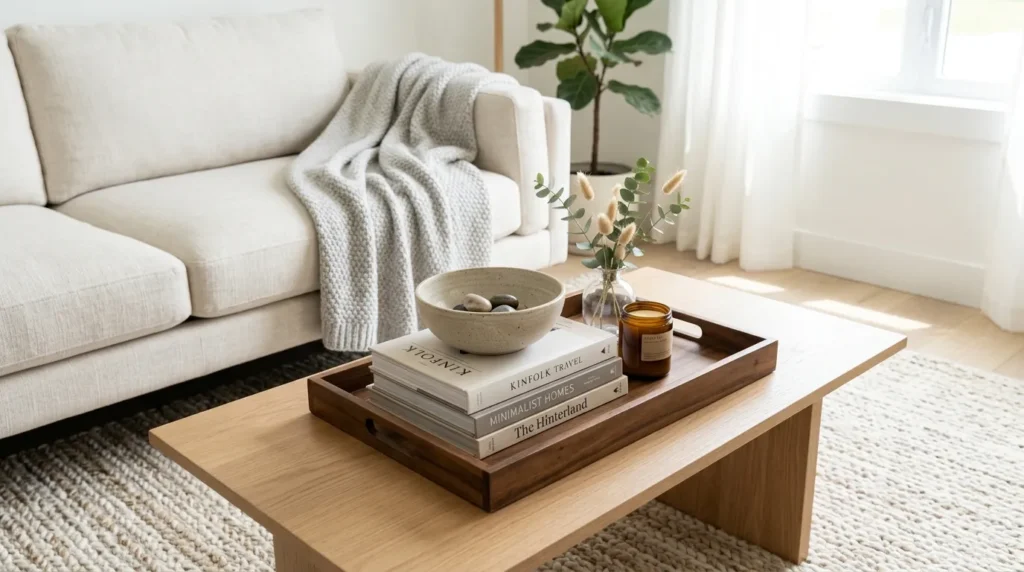
- Creates a polished focal point in the living room.
- Works with trays, books, candles, bowls, vases, and small decorative objects.
- Helps organize remotes, coasters, flowers, and everyday items.
- Adds texture and height without making the table feel cluttered.
- Makes the seating area feel more complete and intentional.
A coffee table looks best when it feels styled but still usable. This idea works because the table sits in the center of the living room, so it naturally draws attention. Start with a tray to group smaller items, then add a book, candle, small vase, or ceramic bowl. Vary the height so everything does not sit flat. I’ve noticed coffee tables look more natural when there is still empty space for drinks, snacks, or daily use.
The finished look feels curated without becoming fussy. Choose objects that match your room’s mood, such as wood beads for organic style, glass for elegance, ceramics for softness, or black metal for contrast. Fresh flowers, eucalyptus, or dried stems can add life without taking over the space. This is one of the easiest Home Decor upgrades because it uses small pieces but creates a strong visual effect. Keep the arrangement simple enough to move when needed.
4. Gallery Wall
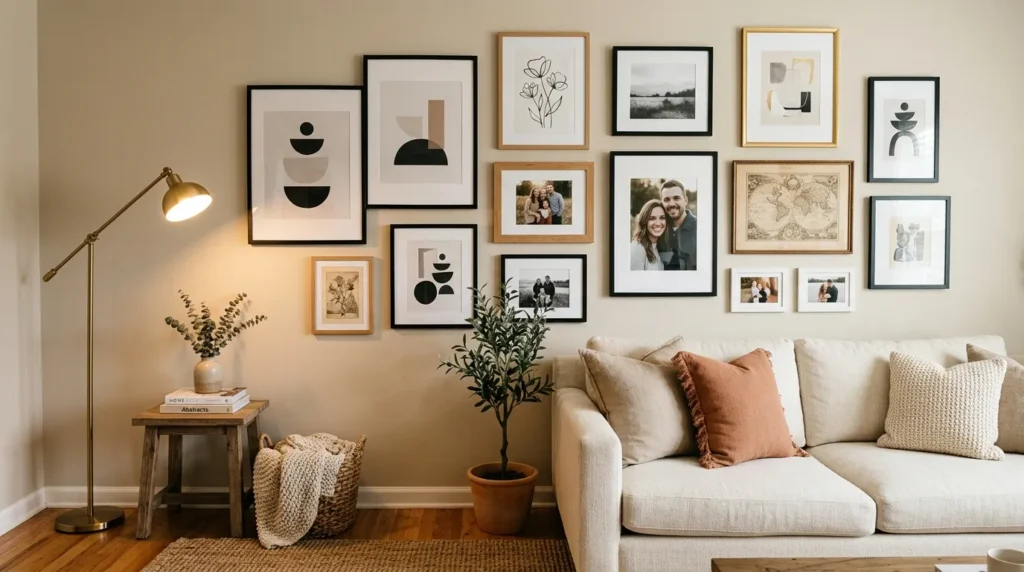
- Adds personality and visual interest to blank walls.
- Works with framed prints, family photos, mirrors, art, and wall objects.
- Makes hallways, living rooms, staircases, and bedrooms feel more finished.
- Allows you to mix personal memories with decorative style.
- Creates a strong Pinterest-style feature without changing furniture.
A gallery wall can make a plain room feel personal and complete. This idea works because wall art fills vertical space and gives the eye something meaningful to enjoy. Start by choosing a color story, such as black and white, warm neutrals, soft pastels, or earthy tones. Lay the frames on the floor before hanging them so you can test the arrangement. Keep spacing consistent, because uneven gaps can make the wall feel messy.
The finished wall becomes a focal point that feels collected over time. Mix family photos, abstract prints, line drawings, travel memories, or small mirrors for depth. Use matching frames for a clean look or mixed frames for a more relaxed style. This idea is practical because you can build it slowly instead of buying everything at once. A gallery wall works especially well above a sofa, along a hallway, over a console table, or beside a staircase.
5. Layered Lighting
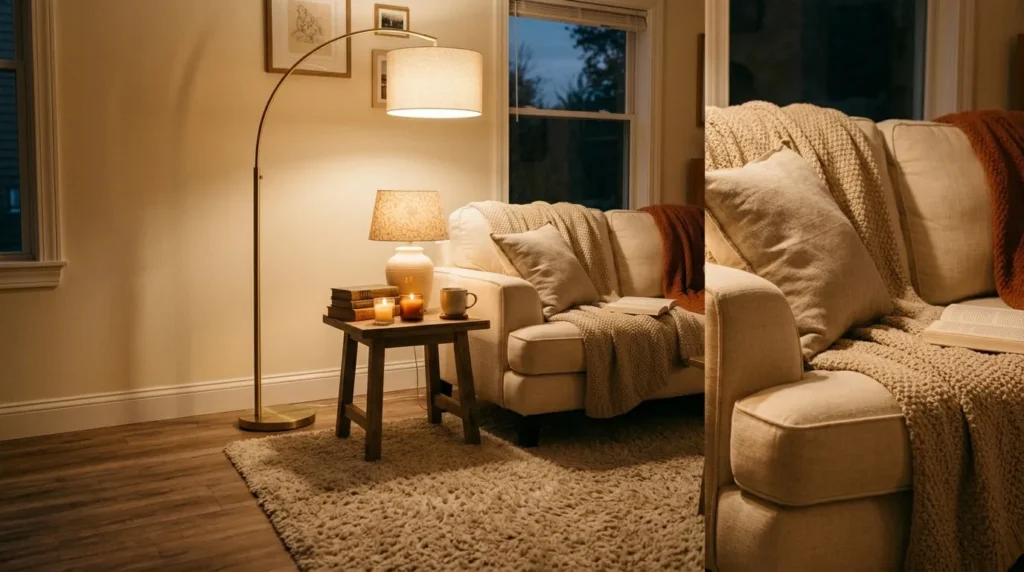
- Makes rooms feel warmer, softer, and more comfortable.
- Works with table lamps, floor lamps, sconces, pendants, and candles.
- Helps avoid harsh overhead lighting in living spaces and bedrooms.
- Creates different moods for morning, evening, reading, and entertaining.
- Adds beauty while improving everyday function.
Layered lighting can make even a simple room feel professionally styled. This idea works because one ceiling light rarely creates enough warmth or depth. Use at least two or three light sources in a room, such as a floor lamp near the sofa, a table lamp on a console, and a soft overhead fixture. Warm white bulbs usually feel more inviting than cool bright bulbs. That small choice can completely change how colors and textures look at night.
The transformation is immediate, especially in the evening. Soft lamps create cozy corners, highlight furniture, and make the room feel more relaxed. Use dimmers where possible so you can adjust the mood. Candles can add charm, but use them safely and keep scents gentle if the room is small. This idea is practical because better lighting improves both style and comfort. It supports reading, hosting, watching movies, cooking, and quiet routines without needing a major redesign.
6. Textured Layers
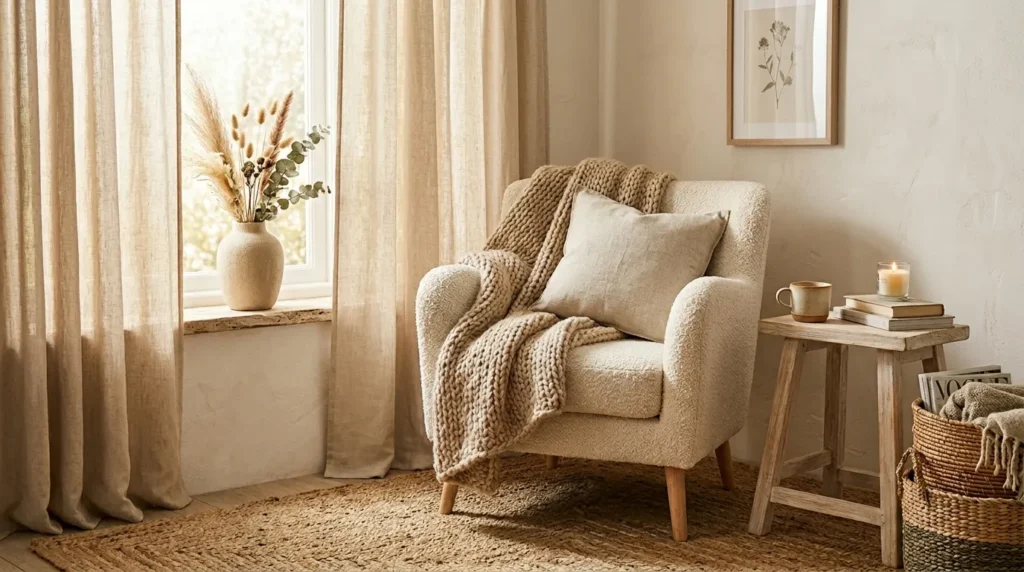
- Adds warmth and depth without relying on bright colors.
- Works with rugs, curtains, pillows, blankets, baskets, and woven materials.
- Makes neutral rooms feel cozy instead of plain.
- Helps soften hard surfaces like wood floors, tile, and metal furniture.
- Creates a more inviting and lived-in atmosphere.
Textured layers are what make a room feel warm and comfortable. This idea works because texture gives depth even when the color palette is simple. A jute rug, linen curtains, wool throw, velvet pillow, woven basket, and ceramic vase can all work together beautifully. The room does not need to be colorful to feel interesting. In fact, texture often makes a space feel more expensive because every material adds a quiet detail.
The finished room feels cozy, balanced, and easier to enjoy. Add soft pieces where the home feels cold, such as near leather furniture, tile floors, bare windows, or plain walls. Use natural materials when possible because they age well and feel timeless. This styling is practical because textiles are easy to swap. You can use light cotton in summer, heavier knits in winter, and woven baskets all year. The space feels styled but still comfortable for real life.
7. Open Shelves
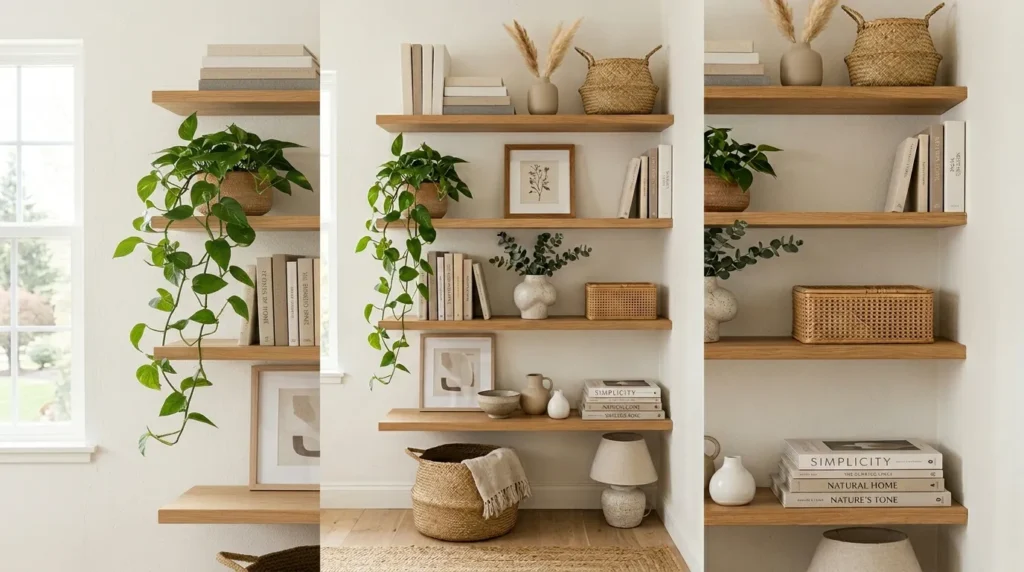
- Turns storage areas into pretty and useful displays.
- Works with books, baskets, ceramics, framed art, plants, and bowls.
- Helps kitchens, living rooms, offices, and bedrooms feel styled.
- Adds personality without overcrowding surfaces.
- Creates visual rhythm through height, color, and spacing.
Open shelves look beautiful when they are styled with breathing room. This idea works because shelves can either make a room feel organized or visually noisy. Start by removing everything, then add pieces back slowly. Use a mix of books, baskets, ceramics, framed art, and small plants. Keep some empty space between groups so each object has room to stand out. That is why many designers recommend styling shelves in small clusters instead of straight rows.
The finished shelves feel intentional and personal. Baskets can hide practical items like cords, remotes, notebooks, or small toys, while open areas display your favorite pieces. Repeat a few colors or materials so the shelves feel connected to the rest of the room. Wood, ceramic, glass, woven fibers, and black accents work well together. This idea is practical because it gives you storage and style at the same time. When shelves feel crowded, remove a few items and let the display breathe.
8. Bedroom Layers
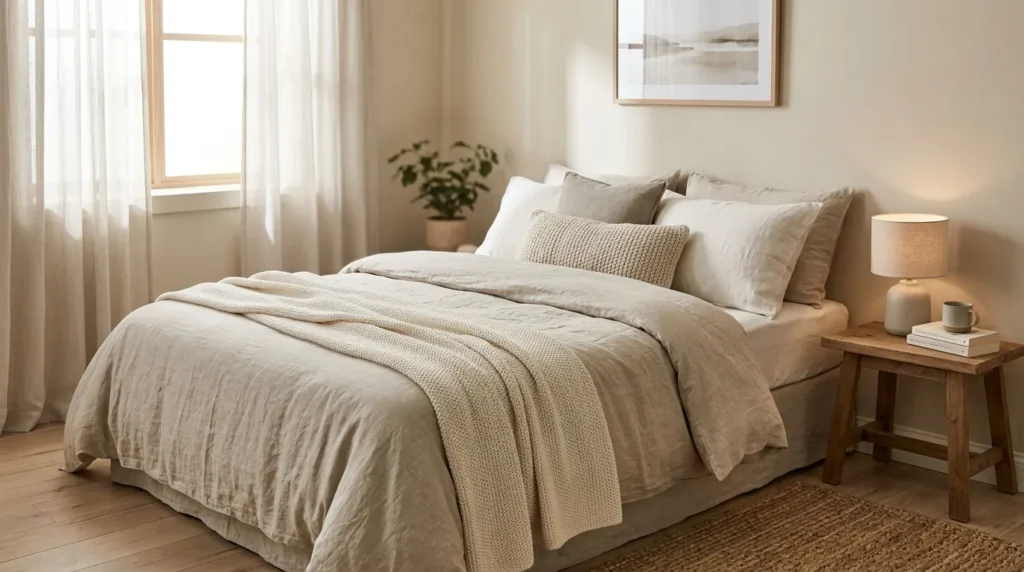
- Makes the bedroom feel calm, cozy, and restful.
- Works with bedding, throws, pillows, rugs, curtains, and bedside lighting.
- Helps the bed become the main styled feature of the room.
- Adds softness without needing too much wall decor.
- Creates a relaxing space for sleep, reading, and morning routines.
Bedroom layers make a room feel restful without needing a full makeover. This idea works because the bed is usually the largest feature, so styling it well changes the whole space. Start with simple sheets, a soft duvet, and two or three pillows you actually like using. Add one textured throw at the end of the bed for warmth and visual depth. Keep colors soft if you want the room to feel calm.
The transformation feels peaceful and inviting. A rug under the bed softens the floor, curtains add privacy, and bedside lamps create a gentle evening glow. Avoid overcrowding the bed with too many pillows, because that can become annoying every morning. This idea is practical because it supports real routines, not just pretty photos. Choose washable fabrics, comfortable materials, and layers that match your climate. The goal is a bedroom that looks styled but still feels easy to live in.
9. Dining Details
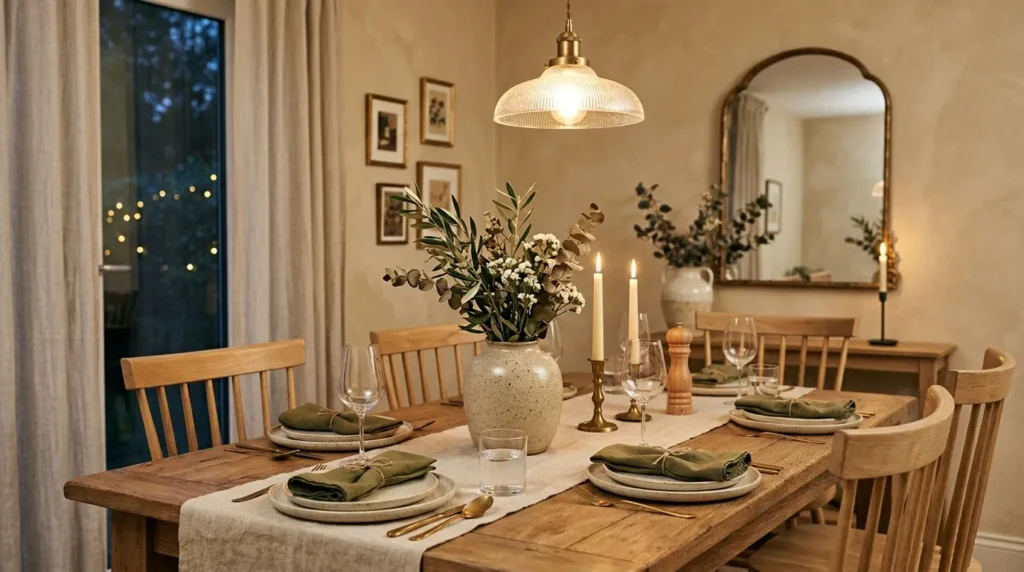
- Makes everyday meals and hosting feel more special.
- Works with table runners, placemats, candles, vases, bowls, and simple centerpieces.
- Adds warmth to dining rooms, breakfast nooks, and kitchen tables.
- Helps the table look styled even when it is not fully set.
- Creates a welcoming mood for family, guests, and casual dinners.
Dining details can make a home feel more thoughtful and welcoming. This idea works because the dining table often sits empty between meals, and a simple centerpiece can make it feel styled. Use a low bowl, small vase, candle holders, or a linen runner to create interest without blocking conversation. Keep the scale right for the table size. A large table can handle a longer centerpiece, while a small breakfast nook needs something lighter.
The finished look feels warm and ready for everyday life. For casual homes, a wood bowl with fruit or a ceramic vase with greenery can be enough. For dinners, add cloth napkins, taper candles, or woven placemats. This styling is practical because the table still needs to function. Avoid centerpieces that are too tall, fragile, or hard to move. A well-styled dining area makes even simple meals feel more intentional, which is one of the quiet joys of decorating.
10. Green Corners
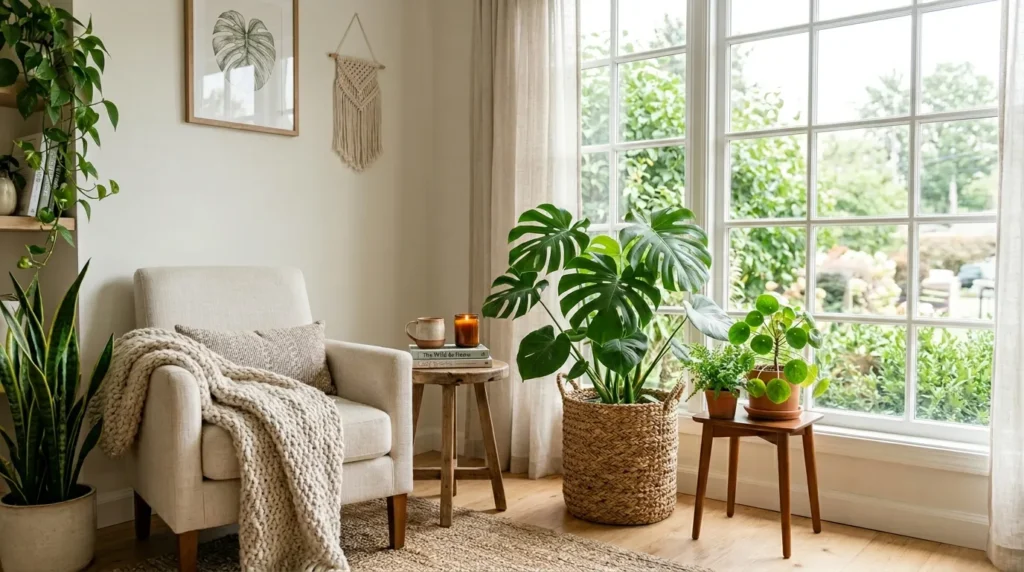
- Adds freshness, color, and life to empty areas.
- Works with potted plants, plant stands, baskets, stools, and ceramic planters.
- Softens corners, windows, shelves, and awkward blank spaces.
- Makes rooms feel more natural and relaxing.
- Creates a beautiful visual upgrade with minimal furniture changes.
A green corner can make an empty space feel alive almost instantly. This idea works because plants add height, texture, and natural color without making the room feel cluttered. Choose a corner near good light, then add one larger plant or a small group of different heights. Use baskets, ceramic pots, or plant stands to make the arrangement feel finished. If you are new to plants, start with easy options like pothos, snake plant, ZZ plant, or philodendron.
The finished corner feels fresh, calm, and visually balanced. Plants work especially well beside sofas, windows, reading chairs, entryways, and bedroom corners. They soften hard lines and make the home feel more relaxed. This idea is practical because you can scale it to your lifestyle. Use real plants if you enjoy caring for them, or high-quality faux greenery if your space has poor light. The goal is not to create a jungle, but to add a touch of natural softness.
11. Personal Accents
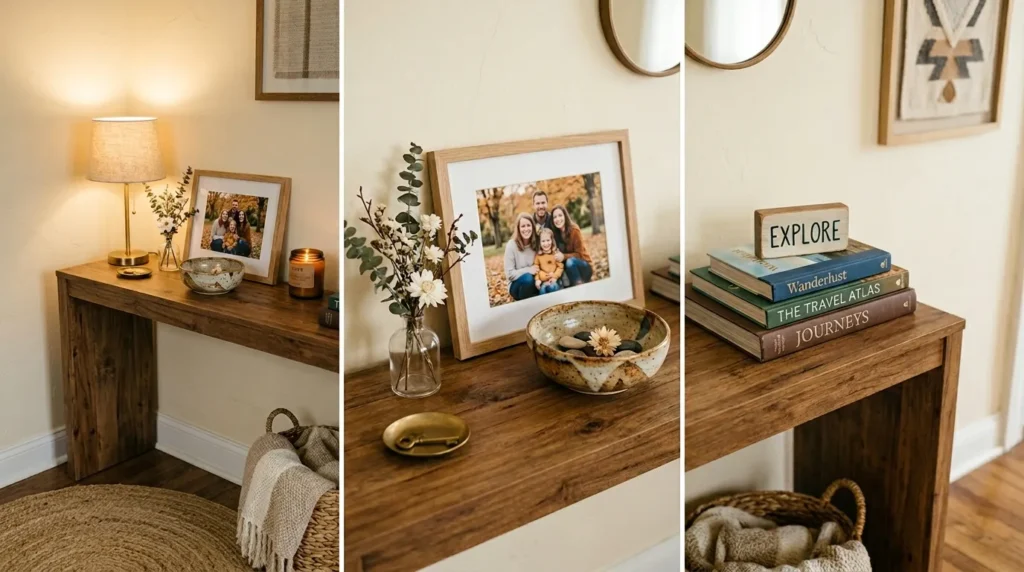
- Makes the home feel unique instead of copied from a showroom.
- Works with family photos, travel pieces, handmade items, books, and meaningful objects.
- Adds warmth and memory to styled spaces.
- Helps balance trendy pieces with personality.
- Creates rooms that feel lived-in, loved, and authentic.
Personal accents are what make styling feel real instead of staged. This idea works because a beautiful home should reflect the people who live there. A framed family photo, a handmade bowl, a travel souvenir, a favorite book, or an inherited piece can bring meaning into a room. The key is editing. Display the pieces that truly matter, and give them space so they can be noticed. Too many small objects can make meaning disappear into clutter.
The finished home feels warmer and more authentic. Personal accents work best when they are mixed with practical pieces and simple styling. Place a favorite photo on a console, stack meaningful books on a coffee table, or display a handmade vase on a shelf. This keeps the space personal without overwhelming the design. Home Decor should not erase your story. It should help your story feel more beautiful, organized, and easy to enjoy every day.