
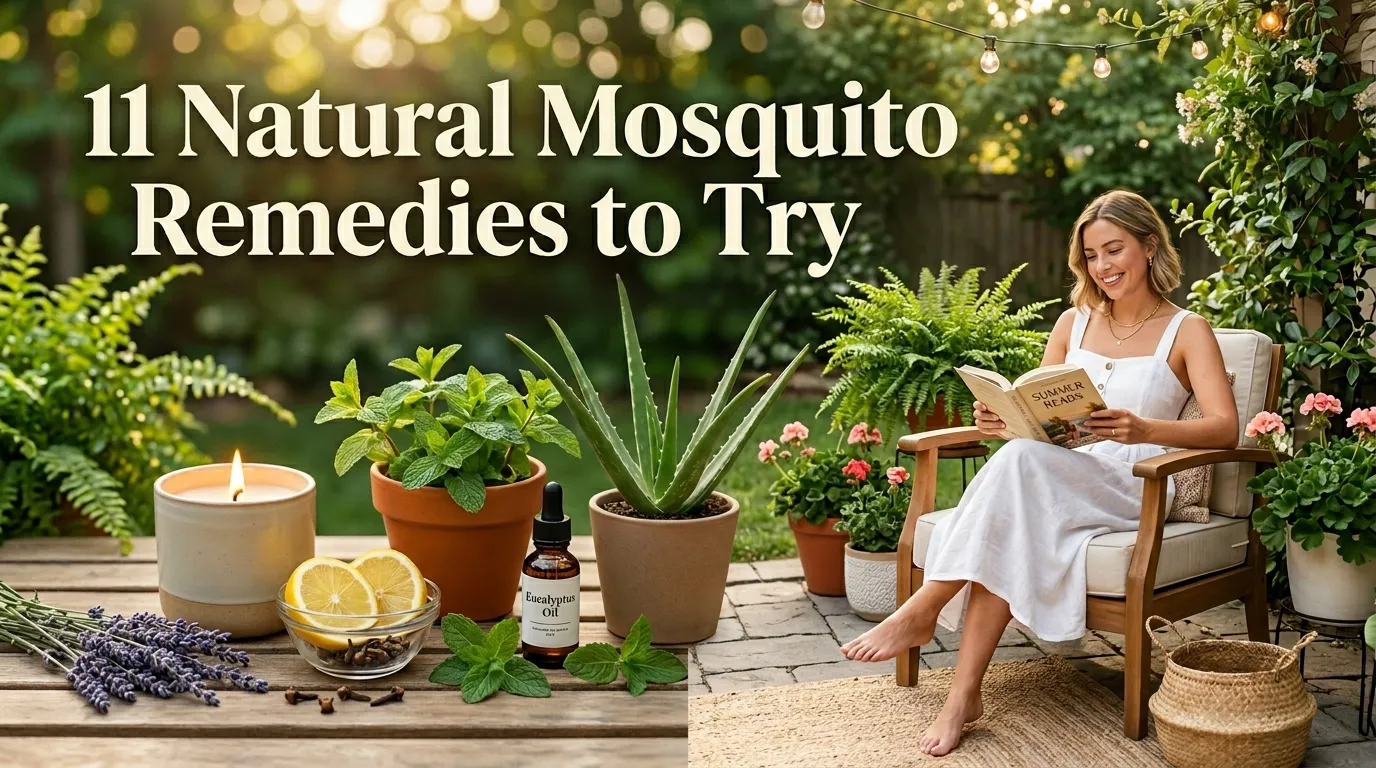
11 Natural Mosquito Remedies to Try
Introduction
Warm evenings should feel relaxing, not like a constant battle against buzzing insects. Across the USA, backyard dinners, porch talks, pool days, and garden mornings can quickly lose their charm when mosquitoes show up. The good news is that you do not always need a harsh-looking setup to make outdoor spaces feel more comfortable. With smart plant choices, cleaner yard habits, simple homemade blends, and a few practical layout tricks, you can create a fresher, more pleasant environment that feels beautiful enough for Pinterest and useful enough for real life.
This guide focuses on approachable ideas you can try around patios, decks, balconies, entryways, and garden corners. Some remedies work by adding scent barriers, some reduce places where mosquitoes gather, and some make it harder for them to fly near people. For areas with heavy mosquito-borne illness risk, the CDC recommends proven EPA-registered repellents, and the EPA lists ingredients such as oil of lemon eucalyptus, citronella oil, catnip oil, picaridin, DEET, and IR3535 in registered skin-applied products. Always follow product labels, especially around children, pregnancy, pets, and sensitive skin too.
1. Lemon Eucalyptus
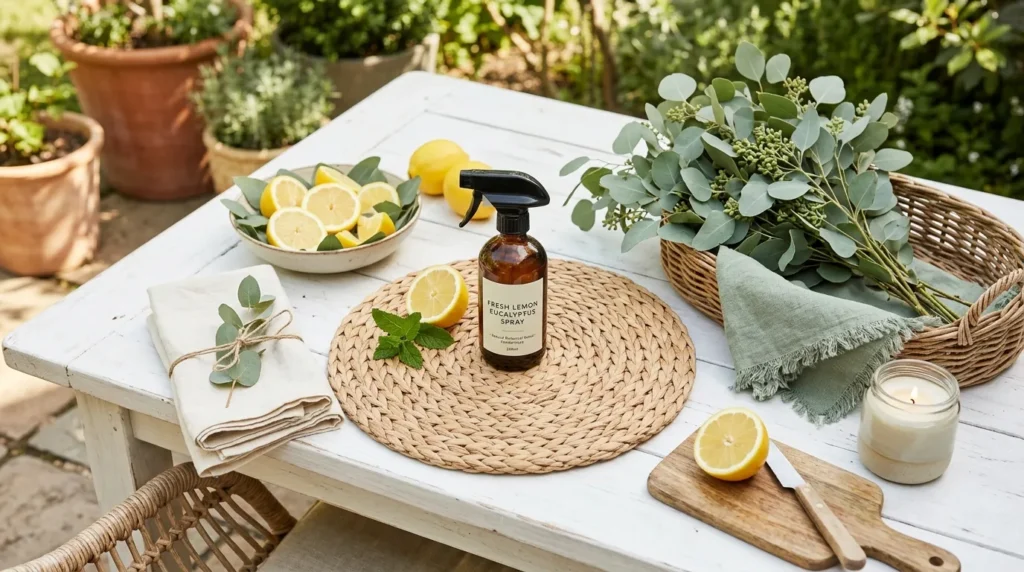
- Use a properly diluted oil blend for short outdoor sitting, porch reading, and casual evening routines.
- Keep the bottle near patio supplies so it becomes part of your outdoor comfort basket.
- Choose labeled products when applying anything to skin, especially for family use or travel.
- Pair this remedy with cleaner surroundings, long sleeves, and smart outdoor timing.
- Avoid using strong essential oils directly on skin without dilution or label guidance.
Lemon eucalyptus feels like the grown-up version of a fresh summer shield. Its crisp, bright scent works beautifully in outdoor routines because it feels clean rather than heavy, especially around patios, screened porches, and garden seating. In my experience, this option suits people who dislike overly sweet sprays but still want a plant-based direction. Use it carefully, always diluted, and avoid treating it like a magic wall. It works best when paired with long sleeves, cleaner outdoor spaces, and smart timing during calmer evening hours, especially before sunset at home.
The transformation is simple but noticeable when you build a small routine around it. Keep a labeled spray in a porch basket with sunglasses, napkins, and a lightweight throw so it feels intentional instead of annoying. Apply before sitting outside, then refresh only as the product directions suggest. Many families prefer this approach for casual deck nights because it feels neat, portable, and less messy than random candles everywhere. Do not use oil of lemon eucalyptus products on very young children unless the label clearly allows it for your family. (US EPA)
2. Citronella Patio

- Place citronella candles around the seating perimeter instead of relying on one small candle.
- Use lanterns, glass holders, or ceramic bowls to make the setup look styled and safe.
- Keep flames away from curtains, cushions, pets, children, paper plates, and outdoor throws.
- Combine candles with trimmed plants, fans, and fewer damp items around the patio.
- Choose containers that match your outdoor color palette for a Pinterest-ready look.
Citronella creates an instant backyard mood while adding a gentle scent barrier. It is one of the most familiar warm-weather options in American patios because it looks pretty, smells recognizable, and fits easily into outdoor entertaining. The biggest mistake is placing one tiny candle in the middle of a large deck and expecting full coverage. Instead, think like a stylist: layer several safe candle points around the edges of the gathering zone so the scent feels present without sitting directly under everyone’s nose on breezy evenings outside at night.
This idea works best when it becomes part of your patio design rather than a last-minute fix. Use glass hurricanes, ceramic bowls, or metal lanterns that match your furniture and keep the setup visually polished. I’ve noticed citronella feels more effective when combined with fans, trimmed plants, and fewer water-holding items nearby. It also gives your space that soft golden glow Pinterest readers love. For small balconies, choose one sturdy candle and one compact planter instead of overcrowding the floor or blocking the door during evening gatherings.
3. Lavender Bundles
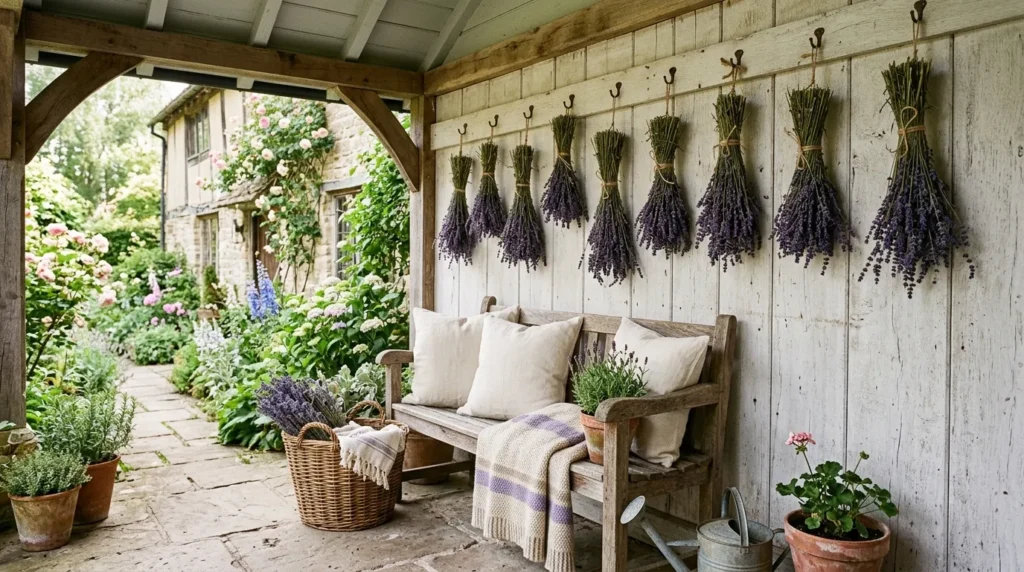
- Hang dried lavender near covered doors, porch hooks, wall rails, or shaded sitting corners.
- Use small lavender sachets inside outdoor storage baskets, towel bins, or porch cabinets.
- Grow fresh lavender in sunny containers for soft color and a calming herbal scent.
- Replace dried bundles when they lose fragrance or start looking dusty and brittle.
- Style lavender with woven baskets, pale cushions, terracotta pots, and clean wood textures.
Lavender brings calm beauty while adding a scent mosquitoes tend not to love. It is not the strongest standalone choice, but it shines as part of a layered porch or patio plan. The soft purple color, herbal fragrance, and cottage-style texture make it especially useful for readers who want function without losing charm. Fresh pots work well near sunny doors, while dried bundles look lovely hanging from hooks, pergolas, or small wall rails in protected spots where rain will not ruin them during summer storms nearby beside the entryway too.
The result is more than pest control; it is a prettier threshold into your home. Imagine stepping onto a porch with woven baskets, lavender stems, pale cushions, and a clean doormat instead of cluttered spray bottles. That visual upgrade matters because you are more likely to keep the system maintained. Replace old bundles when they smell dusty, and avoid placing them where kids or pets can pull them down. Lavender works beautifully near reading corners, potting benches, and calm morning coffee spaces with soft seasonal styling all summer as well.
4. Peppermint Mist
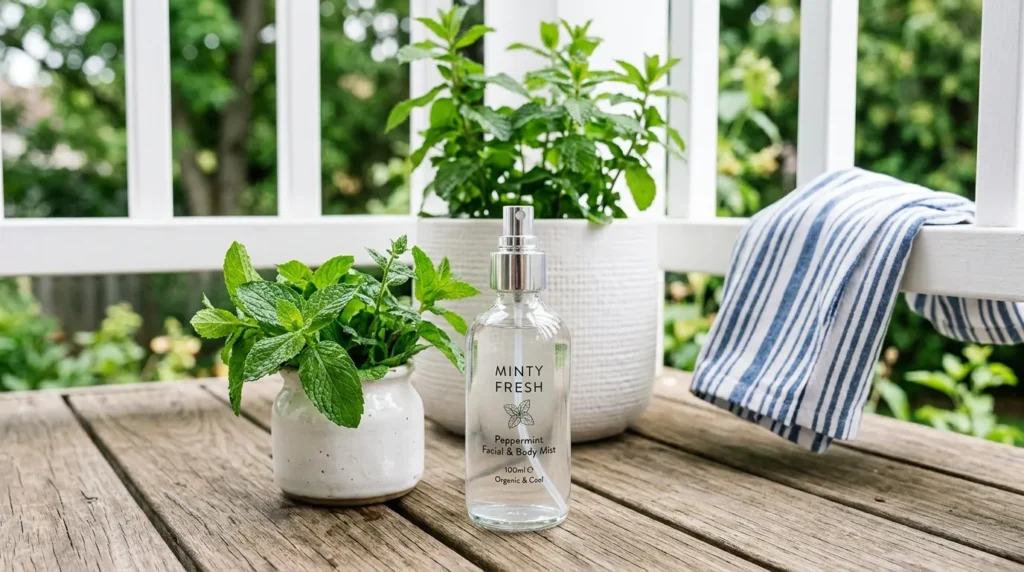
- Dilute peppermint oil carefully before using it around outdoor corners, railings, or furniture legs.
- Use it as a light surface-area refresh, not as a heavy body spray.
- Avoid spraying near cats, sensitive pets, baby items, food surfaces, or irritated skin.
- Test hidden spots before using it around finished wood, painted surfaces, or fabric.
- Store your blend in a labeled bottle away from heat, sunlight, and children.
Peppermint feels sharp, cooling, and wonderfully clean in sticky summer weather. A light outdoor mist can freshen patio corners, furniture legs, railing areas, and trash-can zones where odors sometimes collect. The key is restraint because peppermint oil is powerful and can bother sensitive noses, pets, or skin. That’s why many designers recommend using it as a surface-area freshness tool, not as an all-over body spray. Always dilute properly, label the bottle, and test a small hidden area before spraying finished wood, cushions, or fabric around your home before use.
A peppermint routine can make neglected outdoor corners feel cared for again. Spray lightly before guests arrive, then let the area air out so the scent settles instead of overwhelming the space. It pairs well with white planters, striped cushions, galvanized trays, and clean modern patio styling. For apartment balconies, keep the bottle small and simple, then focus on edges, railings, and storage bins. The usability comes from consistency: a quick refresh after cleaning is usually better than one heavy, messy spray that leaves residue behind on busy summer nights.
5. Basil Planters
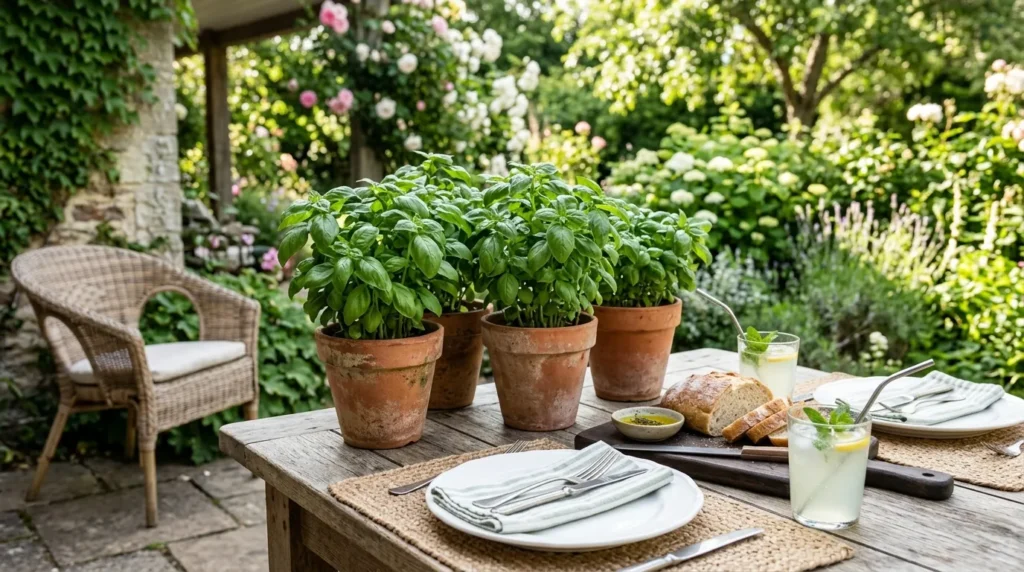
- Grow basil near outdoor dining spaces, kitchen doors, grill carts, or balcony tables.
- Use terracotta, white ceramic, or simple wood planters for a clean summer look.
- Pinch leaves often so the plant stays full, fragrant, and useful for cooking.
- Place pots where people naturally brush past them for a stronger herbal scent.
- Combine basil with rosemary, mint, parsley, or thyme for a pretty edible corner.
Basil is one of the easiest edible plants to turn into a patio helper. It offers fresh fragrance, pretty green texture, and practical kitchen value, which makes it ideal for small-space gardeners. Place pots near outdoor dining tables, grill stations, or kitchen doors where you naturally pass by and notice them. The scent becomes stronger when leaves are gently brushed, so a walkway or serving cart location can work well. Choose healthy, full plants and keep them trimmed to prevent legginess and encourage fresh growth through summer in hot weather.
The beauty of basil is that it makes your outdoor space feel alive and useful. Instead of buying decor that only looks nice, you get a plant that supports summer meals, fresh lemonade garnishes, pasta nights, and relaxed entertaining. I’ve seen this work well in many homes because it turns mosquito season into a reason to build a prettier herb corner. Use matching pots for a clean Pinterest look, water consistently, and harvest small amounts often so the plant keeps producing through warm months through the hottest backyard months.
6. Rosemary Stems

- Keep rosemary pots near sunny grill areas, patio steps, or outdoor prep stations.
- Clip a few stems for table styling, herb bundles, or simple summer centerpieces.
- Use warm rosemary fragrance carefully around grills without creating heavy smoke.
- Avoid leaving dried sprigs close to open flames, hot surfaces, or loose paper.
- Pair rosemary with wood boards, linen napkins, clay pots, and neutral outdoor plates.
Rosemary has a bold, piney scent that feels perfect for outdoor cooking spaces. It is sturdy, sculptural, and less delicate than many soft herbs, which makes it a strong choice for sunny patios and grill-side containers. When handled safely, a few stems can add fragrance near cookouts, especially when warmed near a grill area. The goal is not to smoke out your guests; it is to create a subtle herbal layer that blends with summer food, wood, stone, and warm evening air around everyone without making the area feel smoky.
This remedy also gives your setup a polished Mediterranean feeling. Picture a black grill, clay pots, rosemary branches, linen napkins, and simple white plates on a wooden table. The styling feels elevated, but the materials are affordable and easy to find at garden centers across the USA. Keep pots in bright light, avoid overwatering, and clip stems regularly to encourage fuller growth. Rosemary works best when your seating, cooking, and serving zones are close enough for the fragrance to be noticed during dinner outside while keeping the whole space comfortable.
7. Catnip Border
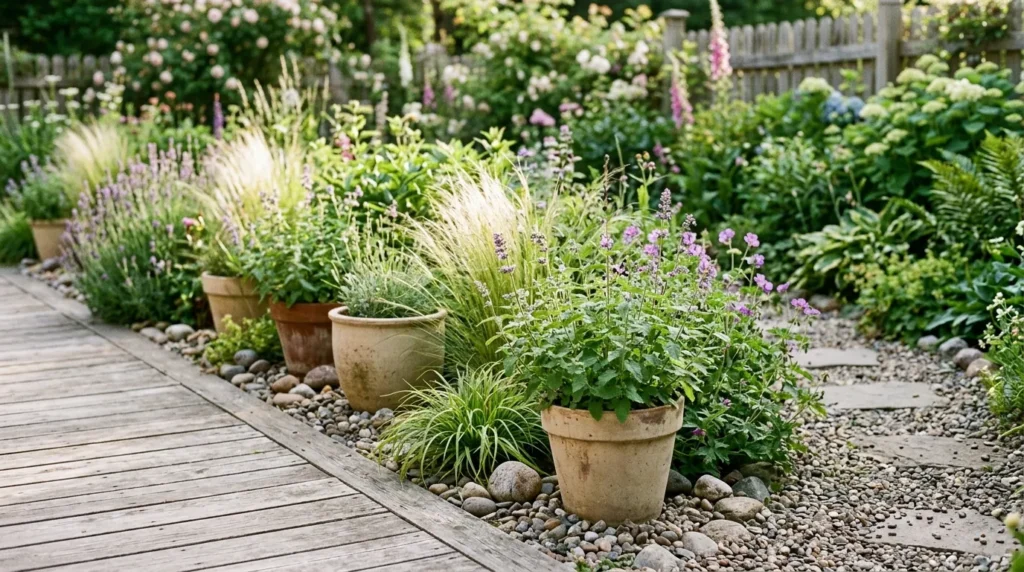
- Plant catnip in containers if you want better control over spreading and shape.
- Use it along deck edges, raised beds, garden paths, or casual patio borders.
- Keep it away from delicate flower beds if you prefer a neat, controlled garden.
- Expect cats to notice it, especially if neighborhood pets wander through your yard.
- Trim it regularly so the border stays full, fresh, and visually tidy.
Catnip is surprisingly useful beyond its reputation as a cat favorite. The plant has a strong herbal scent and grows easily in many home gardens, making it a practical border option for casual outdoor spaces. Because it can spread, containers are often the smarter choice for patios, raised beds, and rental homes. Place it near the outer edge of a sitting area rather than directly on the table. This keeps the look intentional while still adding a fragrant plant layer around the seating zone in summer without looking too busy.
A catnip border can soften the edge of a deck or garden path beautifully. Use simple pots in a row, mix them with grasses, or place them beside larger planters for a relaxed cottage-garden look. The real-life benefit is low effort: once established, catnip often grows with less fuss than trendier patio plants. Just remember that cats may roll, chew, or nap near it, so plan placement carefully. If you prefer a neat look, trim it before it gets floppy or spreads too widely or starts covering nearby pathways fast.
8. Neem Blend
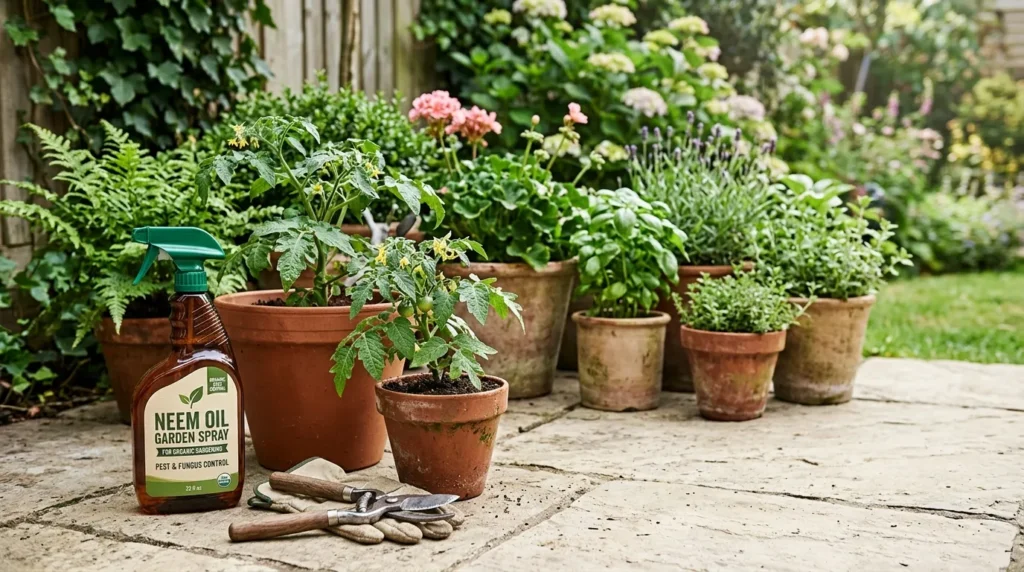
- Use neem oil according to label directions, especially around edible or delicate plants.
- Apply during cooler morning or evening hours to reduce stress on leaves.
- Avoid spraying open blooms where pollinators may be actively visiting your garden.
- Focus on plant zones, container gardens, and problem corners instead of seating areas.
- Combine neem use with pruning, airflow, saucer cleaning, and regular plant care.
Neem has a rich, earthy smell and a long history in garden care. For homeowners, it is often more useful as a plant-support tool than a perfume-like patio spray. When used correctly, it can help with certain garden pests while making plant zones less inviting overall. The important part is caution: neem should be diluted, labeled, and applied according to directions. Spray during cooler morning or evening hours, because strong sun can stress treated leaves and leave marks on delicate plants near the patio without overwhelming the seating area nearby.
The biggest transformation happens when your garden looks healthier and less chaotic. Mosquito comfort is rarely about one product; it is about a cleaner, better-managed outdoor zone with fewer damp, crowded, stressed areas. Use neem as one small part of that system, especially around container plants that tend to collect insects. I’ve noticed gardeners get better results when they also prune dead leaves, improve airflow, and empty saucers. A healthier patio garden instantly feels fresher, calmer, and more enjoyable for guests during warm evenings without making maintenance feel difficult.
9. Garlic Spray
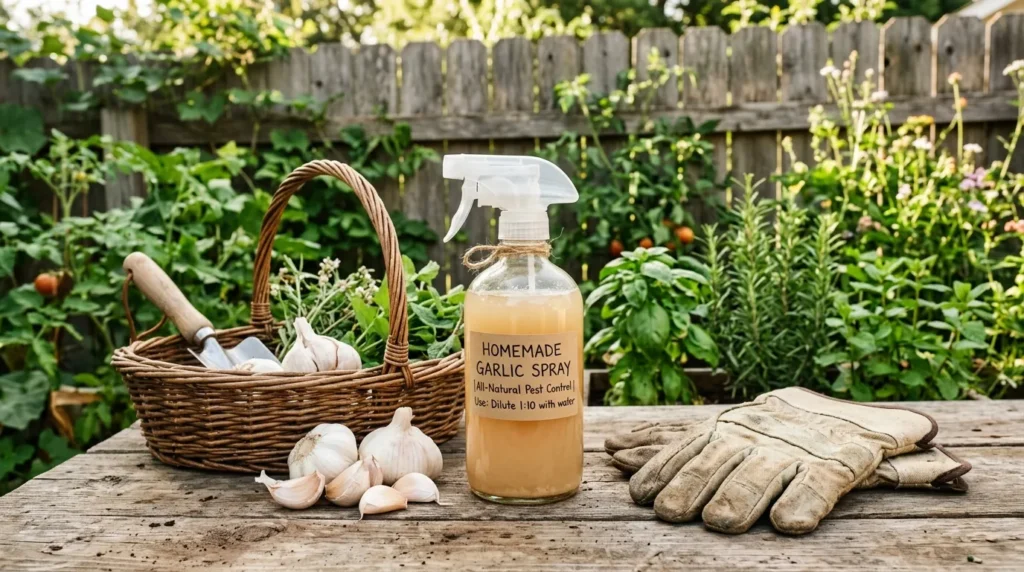
- Use garlic water lightly around yard edges, fence lines, and less-used garden corners.
- Avoid applying it near dining tables, outdoor rugs, cushions, or serving surfaces.
- Strain homemade blends well so sprayers do not clog or leave messy bits.
- Test a small plant area before using it more widely around the yard.
- Reapply only when needed because the scent can become too strong quickly.
Garlic spray is not glamorous, but it can be practical for yard edges. Its strong scent may help make certain outdoor zones less attractive for pests, especially when used away from the main seating and eating area. This is a better backyard-border idea than a patio-table idea because the smell can be intense. Make a simple infused water, strain it well, and test it before applying broadly. Keep it off cushions, rugs, and dining surfaces where lingering odor would ruin the experience for guests when people gather after sunset outside.
Used thoughtfully, garlic spray can support the invisible boundary around your outdoor living space. Apply it along fence lines, trash areas, compost corners, or garden edges where guests do not gather. The goal is to redirect the strongest smell away from people while still treating less beautiful zones that may attract insects. It is especially useful for homeowners who want low-cost, pantry-based experiments before buying more supplies. Keep expectations realistic, and combine it with mowing, trimming, drainage fixes, and fresh airflow after every rain or making the yard smell harsh.
10. Fan Breeze
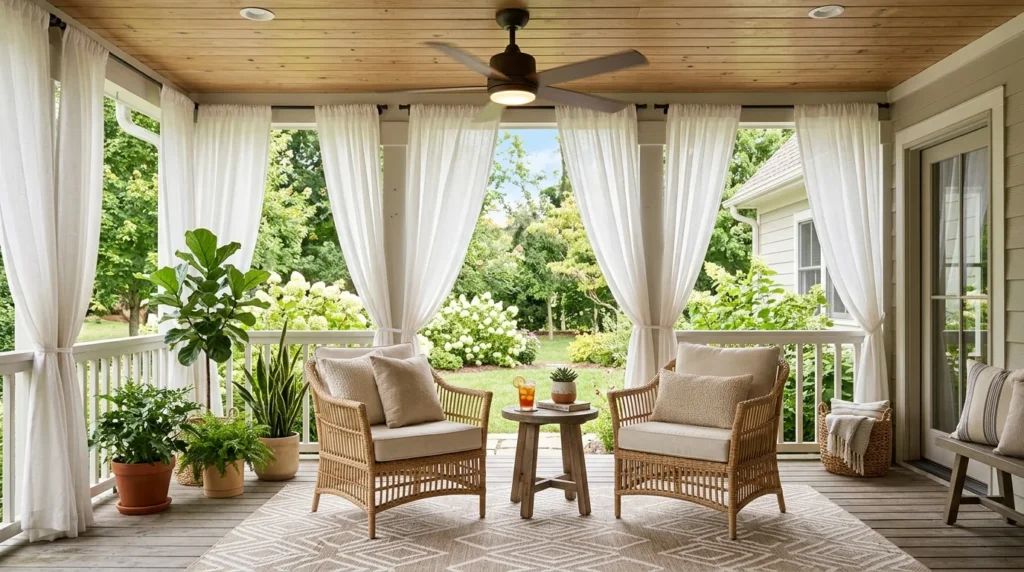
- Set a weather-safe outdoor fan near seating, dining, or covered porch areas.
- Aim the airflow low enough to move around legs, ankles, and table edges.
- Use ceiling fans on covered porches for a polished, resort-style outdoor look.
- Keep cords hidden, protected, and away from walkways, wet areas, and kids.
- Pair fans with breathable cushions, light curtains, and washable outdoor rugs.
A steady breeze can change the whole feeling of a mosquito-prone patio. Mosquitoes are weak fliers compared with the force of a well-placed fan, so airflow can make it harder for them to hover near ankles, chairs, and table edges. This is one of the most practical options for covered decks, screened porches, garages, and outdoor dining setups. Instead of relying only on scent, you are changing the physical environment in a way people can actually feel during humid evenings outside while keeping the whole area easy to enjoy daily.
The visual upgrade is easy when you choose the right fan and placement. A sleek floor fan can disappear beside a planter, while a ceiling fan makes a porch feel finished and resort-like. Aim the breeze across the seating zone, not directly into food or candles. I’ve seen this work especially well during humid evenings in the South and Midwest, where still air makes bites feel worse. Add washable outdoor rugs, light curtains, and breathable cushions for a comfortable summer room effect at home without adding visual clutter anywhere.
11. Water Reset

- Empty plant saucers, buckets, toys, trays, tarps, and unused containers after rain.
- Refresh birdbaths, pet bowls, and small water features so water does not sit.
- Check gutters, low yard spots, hose areas, and storage corners every weekend.
- Store outdoor toys, bins, and gardening supplies upside down when not in use.
- Make this habit part of your regular patio cleaning and backyard reset routine.
Standing water is the quiet problem behind many mosquito frustrations. Even a small amount in a saucer, toy, tarp fold, gutter, or forgotten bucket can turn into a breeding-friendly spot. This remedy is less romantic than herbs and candles, but it may be the most important habit in the whole guide. Walk your yard after rain with a small checklist and look low: under chairs, behind planters, around hoses, near trash bins, and beside kids’ play areas after storms so the habit feels quick, simple, and easy to repeat weekly.
The payoff is a cleaner, calmer outdoor space that feels easier to maintain. Once you remove water traps, your other remedies have a better chance of helping because you are not constantly inviting new mosquitoes to gather nearby. Make it part of your weekend reset: sweep the patio, empty saucers, rinse birdbaths, straighten cushions, and store loose items upside down. This simple rhythm makes a backyard look cared for and helps every summer gathering feel more comfortable, polished, and ready for guests without turning cleanup into a big project later.