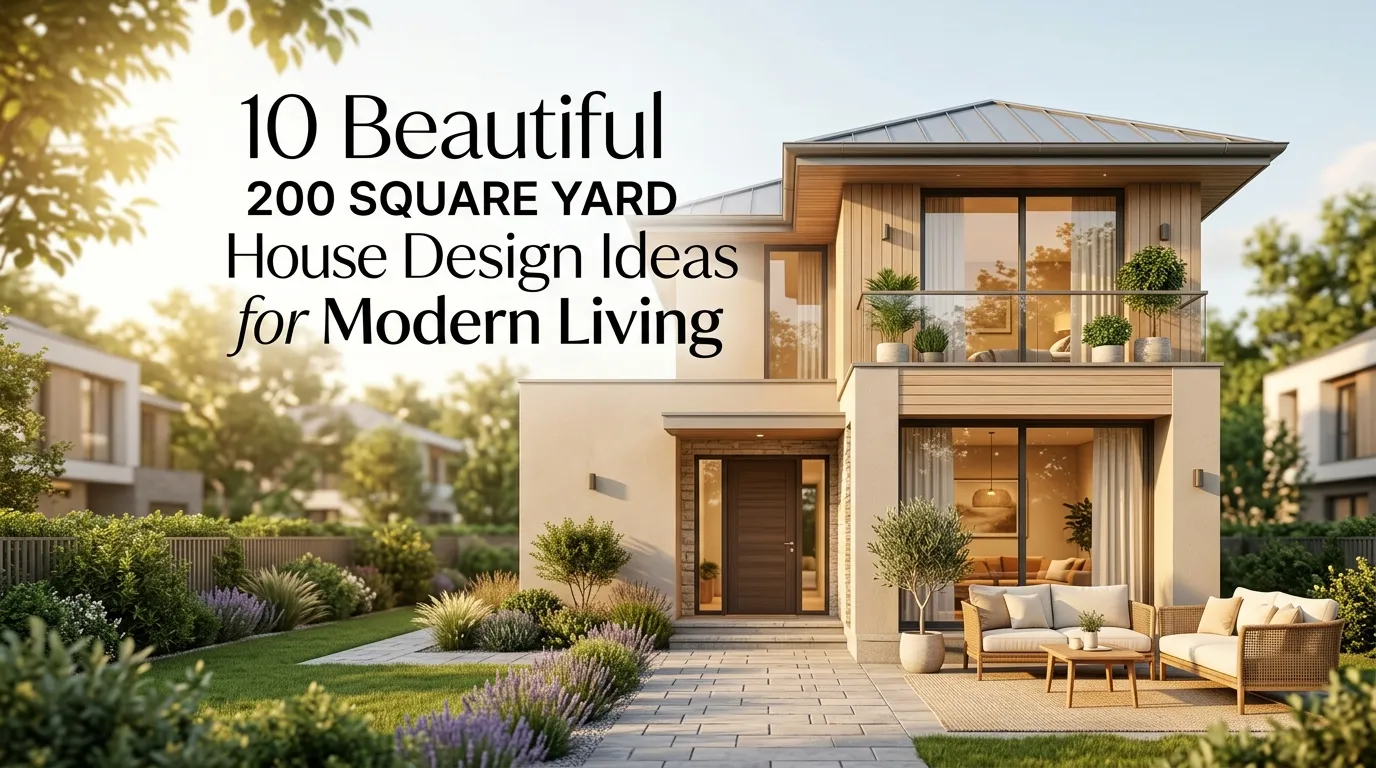
10 200 Square Yard House Design Ideas
A 200 square yard plot can become a surprisingly beautiful, comfortable, and highly functional home when every inch is planned with intention. For many USA homeowners, especially those working with compact lots, suburban infill plots, or narrow city properties, the real challenge is not only building enough rooms. The bigger goal is creating a home that feels open, bright, stylish, private, and practical for daily life.
The beauty of a 200 square yard home is that it encourages smart planning. You can create a welcoming entry, open family spaces, useful outdoor corners, elegant bedrooms, and even a rooftop or courtyard feature without making the home feel crowded. The secret is balance: clean circulation, natural light, smart storage, flexible rooms, and materials that visually expand the space.
A strong House Design for this plot size should not copy oversized luxury homes. Instead, it should use proportion, texture, indoor-outdoor flow, and clever zoning to make the property feel refined and livable. In my experience, the best compact homes are not the ones filled with the most features. They are the ones where every feature earns its place.
Below are 10 Pinterest-friendly 200 square yard home ideas that feel modern, practical, and visually inspiring. These ideas are written for homeowners, builders, bloggers, and design lovers who want a premium look without wasting space. Each section includes useful layout logic, real-life benefits, and styling direction you can adapt for a beautiful family home.
1. Front Courtyard
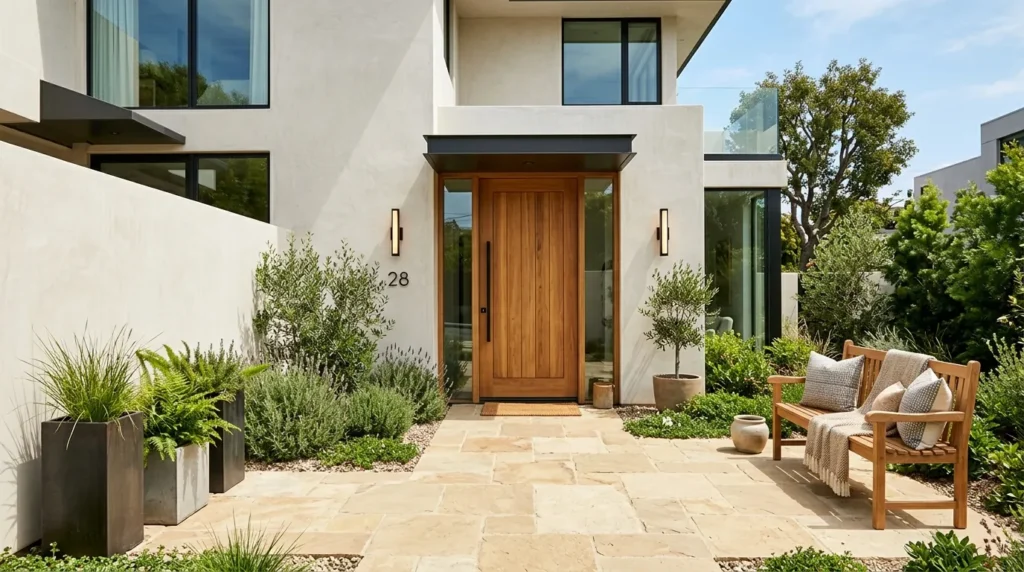
- Adds a soft welcoming transition before entering the home
- Improves natural light and ventilation near the front rooms
- Creates space for planters, seating, or a small water feature
- Works beautifully with stone flooring, wood doors, and warm lighting
A front courtyard instantly makes a compact home feel more graceful and intentional. Instead of opening the main door directly into the living room, this layout creates a calm pause between the street and the interior. For a 200 square yard plot, even a small courtyard can add character without taking away too much usable area. Use textured pavers, slim planters, a wooden bench, and wall lights to create a polished first impression. This idea works especially well for families who want privacy while still keeping the entrance bright and inviting.
The transformation is most noticeable when the courtyard connects visually to the living room or foyer. A glass panel, tall window, or framed doorway can bring greenery into the home without needing a large garden. In my experience, this approach also helps reduce the boxy feeling that small plots sometimes create. Choose low-maintenance plants like boxwood, ornamental grass, dwarf olive, or snake plants for easy upkeep. Add a covered section if the climate is hot, rainy, or snowy, so the entrance stays useful throughout the year.
2. Open Living
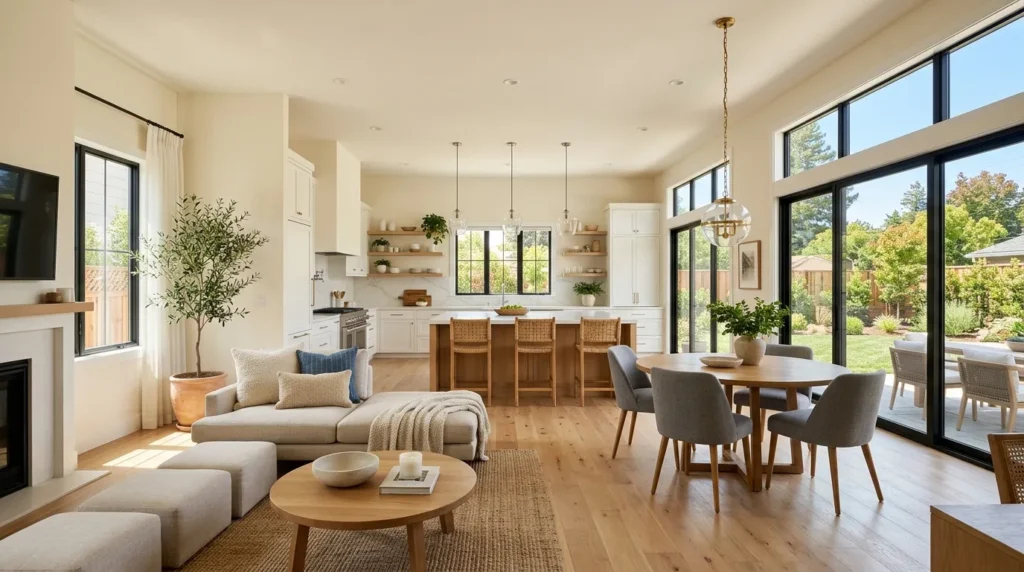
- Combines lounge, dining, and kitchen for a spacious feel
- Helps families stay connected during everyday routines
- Reduces unnecessary walls and improves movement
- Looks best with consistent flooring and layered lighting
An open living plan can make a 200 square yard home feel much larger than it really is. When the living area, dining space, and kitchen connect naturally, the eye travels across the room without interruption. This creates an easy, airy atmosphere that works well for modern American family life. Keep the main furniture low-profile, choose a clear walkway, and avoid oversized sectionals that block circulation. A neutral flooring material, such as engineered wood or large-format tile, can visually stretch the entire common area.
The key is defining zones without closing them off. A kitchen island can separate cooking from dining, while a rug can anchor the seating area. Pendant lights above the island and a statement chandelier over the dining table create purpose without adding walls. I’ve noticed this works best when storage is carefully planned, because open spaces can look messy quickly. Use built-in cabinets, hidden pantry doors, and clean-lined media walls to control clutter. The result is a practical, social, and photogenic layout that feels relaxed every day.
3. Corner Windows
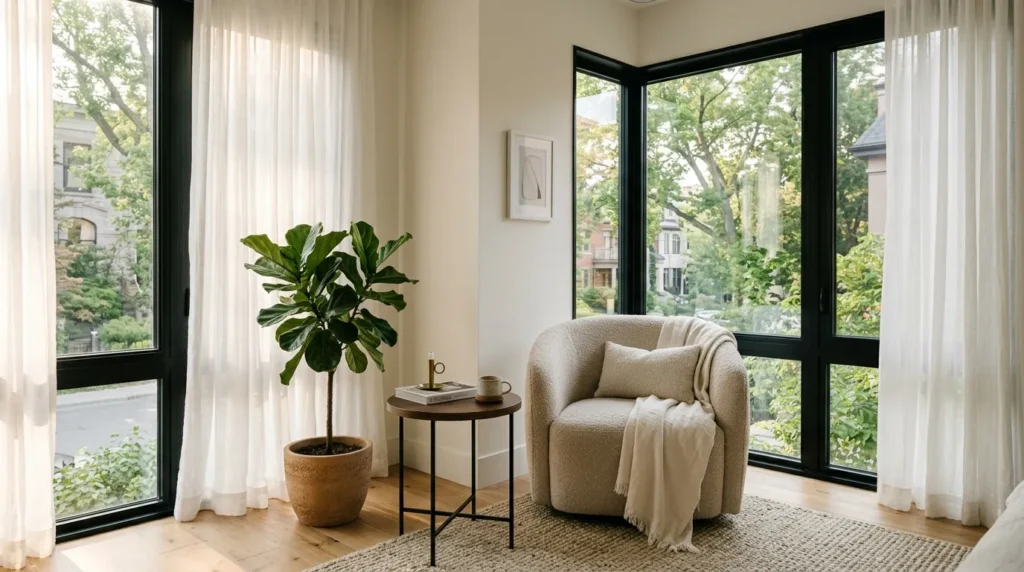
- Pulls daylight into rooms from two directions
- Makes small bedrooms and lounges feel more open
- Creates a stylish architectural detail from outside
- Works well with black frames, sheer curtains, and soft wall colors
Corner windows are one of the smartest ways to add drama and brightness to a compact home. Instead of relying on one standard window, this idea wraps light around a corner and makes the room feel wider. It is especially useful for living rooms, breakfast corners, home offices, and upstairs bedrooms. In a 200 square yard home, every visual extension matters. Use slim aluminum or black steel-style frames for a modern look, and pair them with light walls so the daylight reflects beautifully across the space.
From a lifestyle perspective, corner windows improve the mood of a room without adding extra square footage. A reading chair, small desk, or breakfast bench placed near the glass can become a favorite daily spot. That’s why many designers recommend using corner glazing where privacy and orientation allow it. If the window faces a neighbor, add frosted lower panels, linen curtains, or exterior privacy screens. For warmer states, consider low-E glass and shaded overhangs to control heat while still enjoying the open, sunlit effect.
4. Smart Staircase
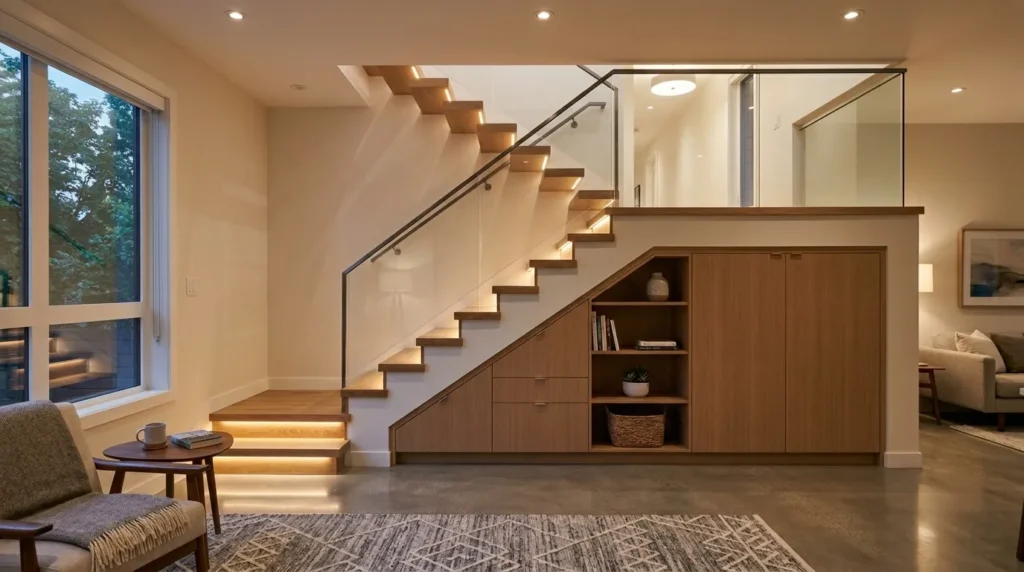
- Saves space while adding a sculptural interior feature
- Can include storage, shelving, or a powder room underneath
- Improves vertical flow in two-story layouts
- Looks modern with wood treads, glass railing, or metal details
A smart staircase can completely change how efficient a compact home feels. In many 200 square yard layouts, the staircase takes up valuable central space, so it needs to do more than connect floors. A straight run along one wall, a compact L-shape, or a floating design can keep circulation clean while adding style. The area underneath should never be wasted. Built-in drawers, closed cabinets, display shelves, or a small reading nook can turn a usually ignored corner into a useful design feature.
The visual impact depends on materials and placement. Wooden treads add warmth, glass railings keep the room open, and slim metal spindles create a clean modern profile. I’ve seen this work well in many homes where the staircase faces the living area and becomes part of the décor. Good lighting is essential, so add wall sconces, strip lighting under each tread, or a skylight above the stairwell. This makes the home feel safer, brighter, and more expensive without requiring a larger footprint.
5. Indoor Garden
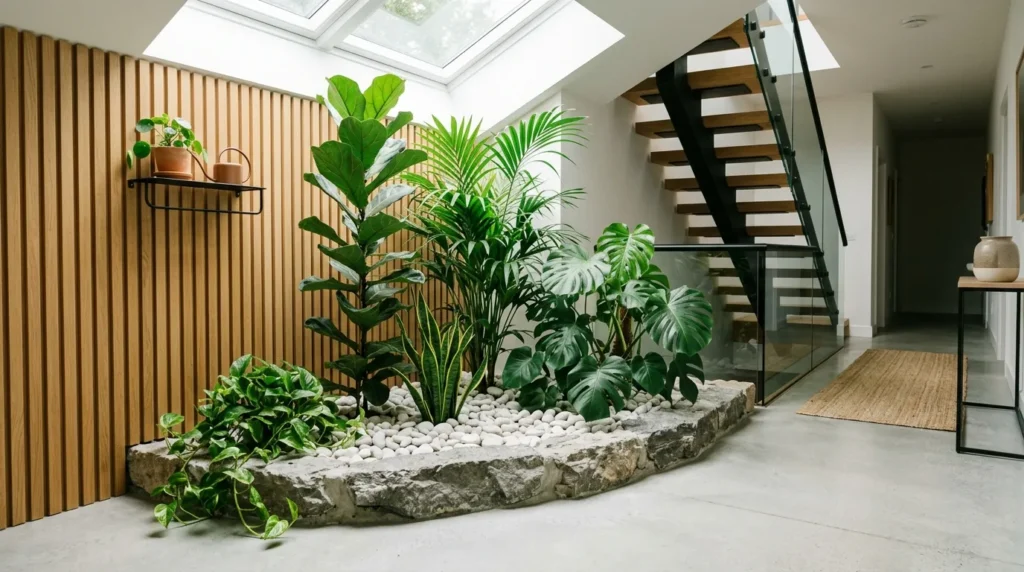
- Brings greenery into the center of the home
- Improves freshness, softness, and visual interest
- Works in courtyards, stairwells, hallways, or dining corners
- Pairs well with pebbles, skylights, stone, and natural wood
An indoor garden gives a compact home a peaceful, high-end feeling without needing a large backyard. Even a narrow planted strip beside the stairs or a small open-to-sky court can make the interior feel alive. For 200 square yards, the best approach is controlled greenery rather than a large, hard-to-maintain feature. Use natural stone, white pebbles, raised planters, and vertical wall planting to keep the look organized. This idea is perfect for homeowners who want freshness, texture, and a calm focal point inside.
The biggest benefit is emotional as much as visual. A green corner can soften hard materials like tile, concrete, glass, and metal, making the home feel warmer and more lived in. Choose plants based on light levels, not just appearance. Pothos, ZZ plants, snake plants, philodendron, and peace lilies handle indoor conditions well. If there is a skylight above, you can use more sculptural plants for a dramatic effect. Add drainage planning early, because water control is what keeps this feature beautiful long term.
6. Double Height
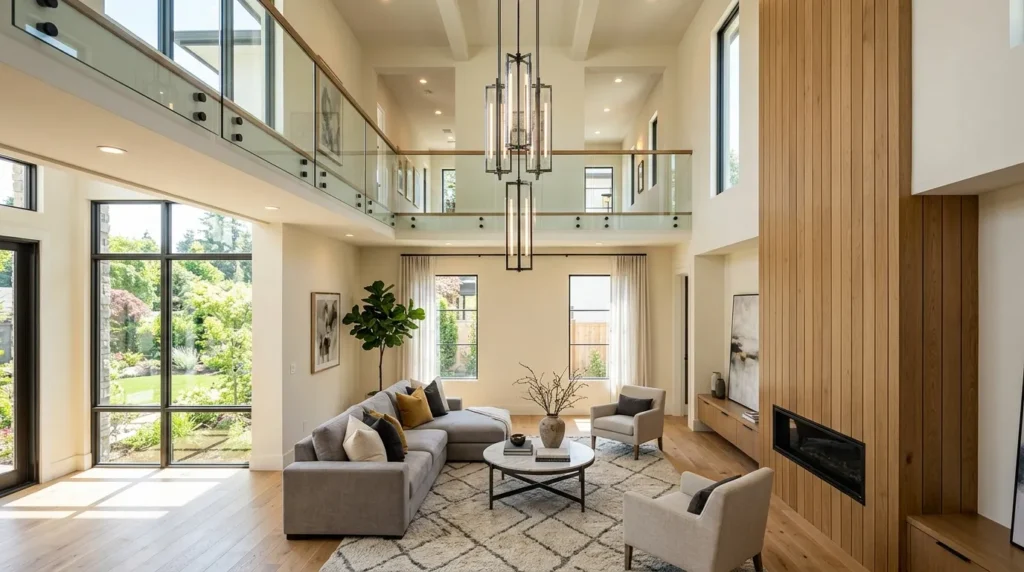
- Creates a luxury feeling in the main living zone
- Allows taller windows and stronger natural light
- Makes a compact footprint feel more spacious
- Works best with statement lighting and balanced proportions
A double-height living area can make a 200 square yard home feel impressive the moment someone walks in. This idea sacrifices a small portion of upper-floor area to gain vertical volume, light, and architectural beauty. It works especially well near the entrance or main lounge, where the extra height creates emotional impact. Tall windows, a feature wall, and a long pendant chandelier can make the space feel custom and upscale. The trick is keeping the design balanced so the room feels grand, not empty.
Practical planning matters because double-height spaces affect heating, cooling, sound, and privacy. In colder states, good insulation and efficient windows are important. In warmer regions, ceiling fans, shaded glass, and smart ventilation help keep the space comfortable. I’ve noticed this feature works best when the upper hallway overlooks the lounge through a railing or interior balcony. That connection makes the home feel layered and open. Use textured wall panels, stone cladding, or vertical wood slats to prevent tall walls from looking plain.
7. Rooftop Terrace
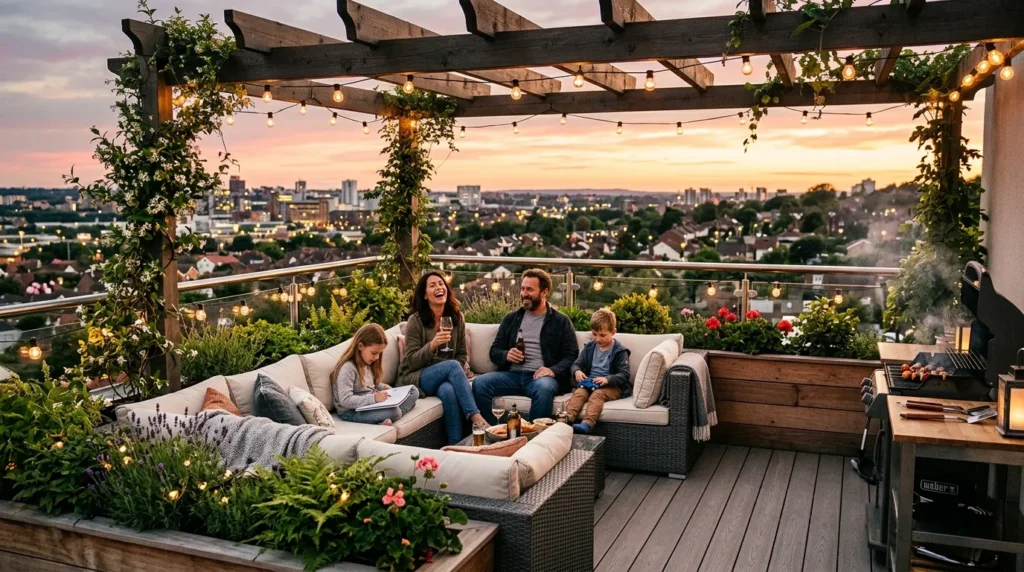
- Adds outdoor living without needing a large backyard
- Creates space for relaxing, grilling, or container gardening
- Increases lifestyle value on compact plots
- Looks beautiful with pergolas, planters, deck tiles, and string lights
A rooftop terrace is one of the most useful additions for a 200 square yard home. When ground-level outdoor space is limited, the roof can become a private retreat for evenings, weekend coffee, small gatherings, or container gardening. The design should feel comfortable rather than overloaded. Use lightweight outdoor furniture, weather-resistant flooring, raised planters, and a shaded pergola to make the area inviting. In USA climates with strong sun, wind, snow, or rain, durable materials and proper waterproofing are absolutely essential.
The terrace works best when it has zones, even if the area is small. A seating corner, a grilling wall, and a few planters can create a complete outdoor experience. That’s why many designers recommend planning electrical points, water access, drainage, and safety railings before construction is finished. Composite decking, porcelain outdoor tiles, powder-coated metal furniture, and UV-safe cushions are practical choices. Add warm lighting along the parapet walls to make the space glow at night and feel like an extension of the home.
8. Side Passage
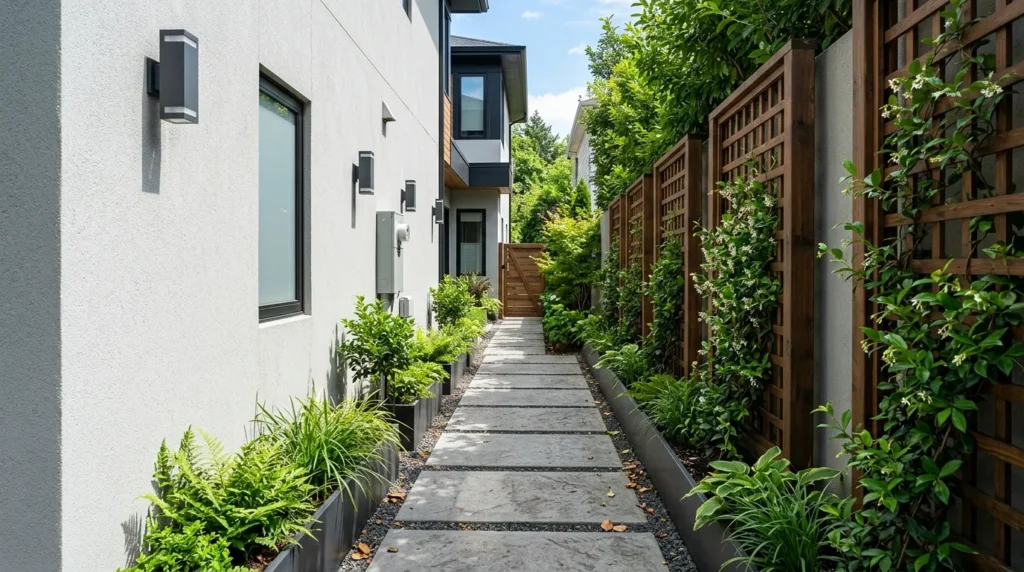
- Improves airflow and natural light along the home
- Creates service access without disturbing main rooms
- Can include laundry, storage, plants, or utility zones
- Works well with gravel, concrete pavers, and wall-mounted lights
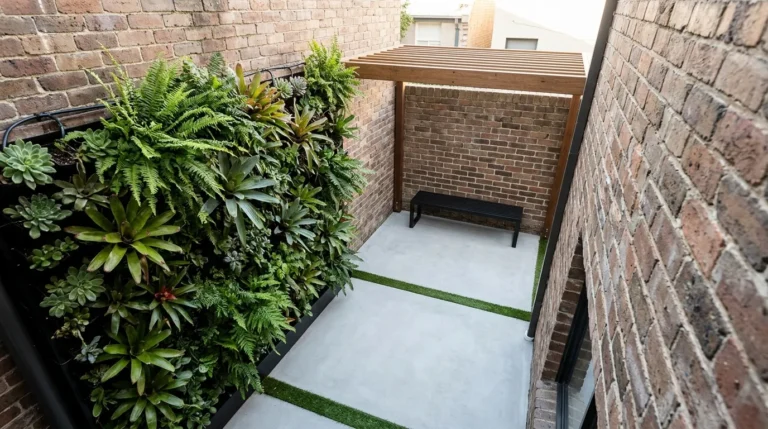
A side passage may look simple, but it can make a compact property much more functional. On a 200 square yard plot, leaving a narrow side setback can improve ventilation, drainage, privacy, and maintenance access. It also prevents the home from feeling trapped between walls. This space can connect the front entrance to the backyard, laundry area, kitchen service door, or outdoor storage. Use practical flooring such as concrete pavers, gravel strips, or non-slip tile, especially in rainy or snowy regions.
The side passage can also become a beautiful design detail when treated intentionally. Add slim planters, vertical trellis panels, wall lights, and a small utility cabinet to make the area feel planned instead of forgotten. I’ve seen this work well when the kitchen or dining room has windows opening toward the passage, because the greenery softens the view. Keep the path clear enough for trash bins, garden tools, or maintenance movement. Good drainage is critical, so slope the floor properly and avoid blocking water flow.
9. Modern Facade
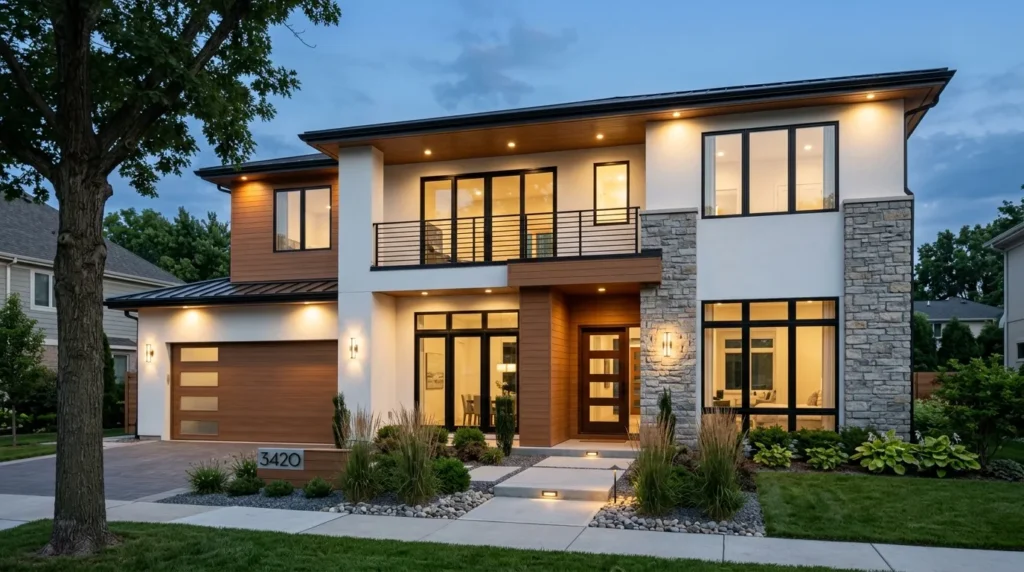
- Gives the home strong curb appeal from the street
- Uses materials to add depth, warmth, and contrast
- Helps a compact structure look taller and cleaner
- Works with stone, stucco, wood-look panels, glass, and metal accents
A modern facade can make a 200 square yard home look polished before anyone steps inside. The front elevation should use clean lines, balanced windows, and a smart mix of materials. Instead of adding too many decorative details, choose two or three finishes that work together. Smooth stucco, vertical wood-look cladding, natural stone, and black metal railings create a refined look. For USA neighborhoods, this style feels current without being too flashy, especially when the color palette stays warm, neutral, and timeless.
The best compact facades use depth to avoid looking flat. A recessed entry, projecting balcony, slim canopy, or framed window box can create shadow and dimension. Lighting also matters because a home should look beautiful in the evening, not only during the day. Use wall washers, step lights, and warm sconces near the entrance. That’s why many designers recommend planning exterior lighting with the architecture, not after it. Keep garage doors, gates, and boundary walls coordinated so the entire front view feels intentional.
10. Flexible Bedroom
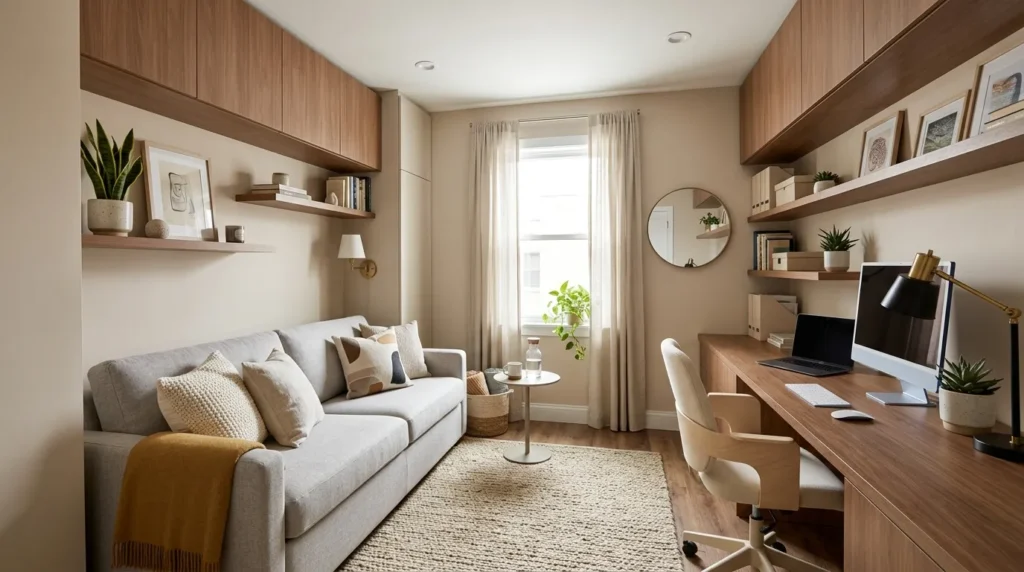
- Works as a guest room, office, nursery, or study
- Adds long-term value as family needs change
- Helps compact homes avoid wasted single-purpose rooms
- Looks best with built-ins, a sofa bed, and hidden storage
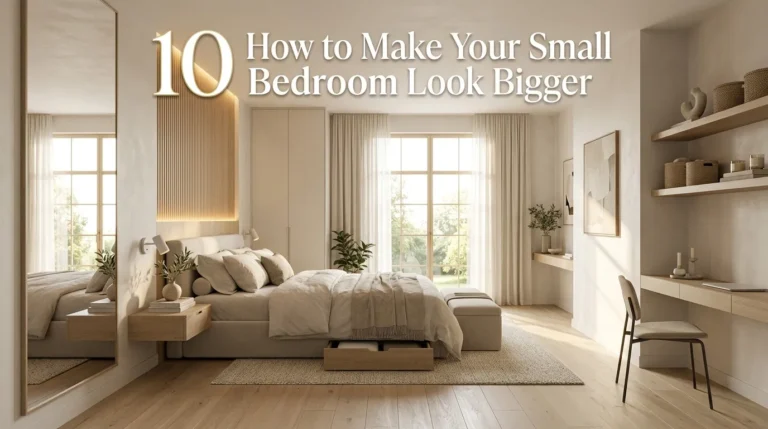
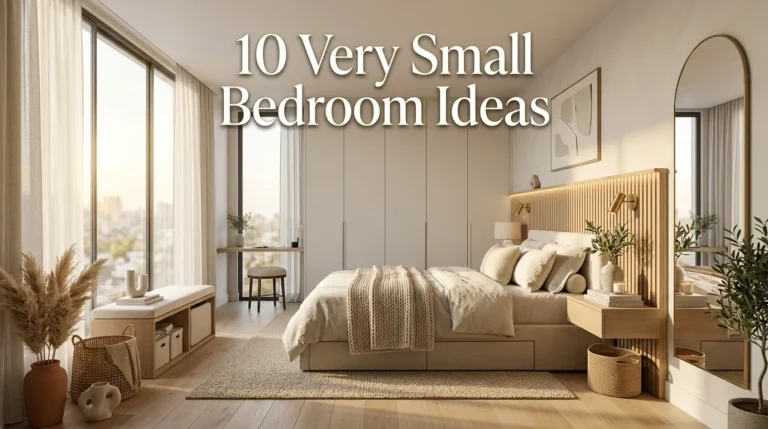
A flexible bedroom is one of the most practical choices for a 200 square yard family home. Life changes quickly, so a room that can shift from guest space to home office, nursery, study, or hobby room is extremely valuable. Instead of designing it around a bulky bed only, use a sofa bed, wall bed, daybed, or compact queen bed with storage. Add a proper closet, desk niche, and layered lighting so the room can support different uses without feeling temporary or unfinished.
The transformation comes from planning the room like a multi-use suite rather than an extra bedroom. Built-in shelves can hold books, décor, office supplies, or guest essentials. A sliding door or pocket door saves space, while blackout curtains make it comfortable for overnight visitors. In my experience, families appreciate this room most when it is placed near a bathroom but away from noisy living areas. Choose calm colors, washable fabrics, and durable flooring so the space remains attractive, adaptable, and easy to maintain.