
10 Minimalist Home Ideas for a Clean Look
A clean home does not have to feel empty, cold, or unfinished. The best minimal spaces feel calm because every piece has a reason, every surface has breathing room, and the whole room supports daily life instead of fighting it. For USA homes, this matters even more because many people are balancing work, family routines, small storage areas, pets, kids, and busy schedules.
A Minimalist Home is not about removing everything you love. It is about choosing better, keeping what feels useful, and creating a space that feels easier to clean, easier to live in, and easier to enjoy. The right design choices can make a room look brighter, larger, softer, and more organized without needing a full renovation.
These ideas focus on practical beauty. You will find clean layouts, smart storage, calm colors, natural textures, simple furniture, and styling tips that make a home feel fresh, peaceful, and Pinterest-worthy.
1. Clear Entryway
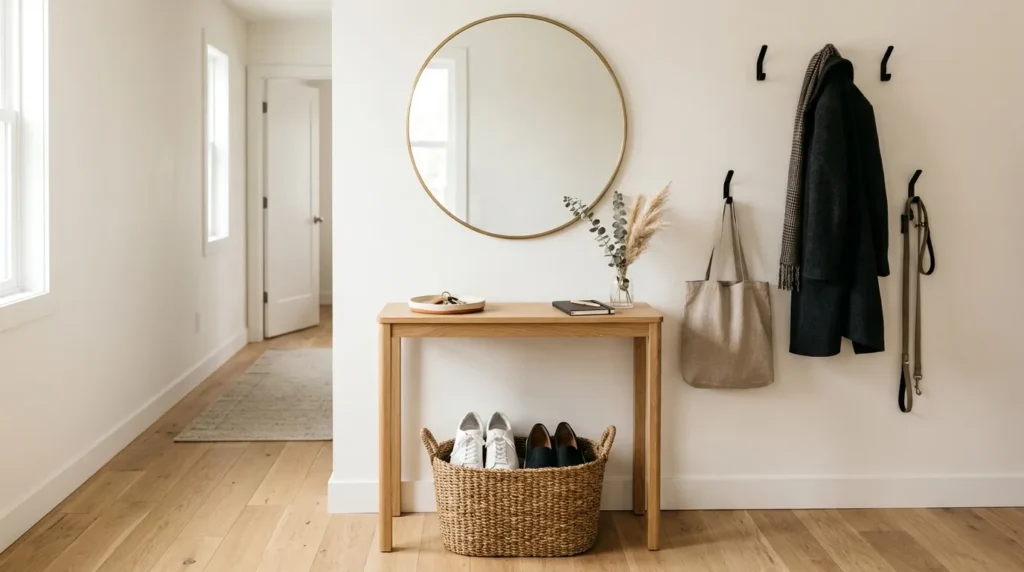
- Creates a calm first impression as soon as you walk inside.
- Works with slim consoles, wall hooks, shoe baskets, mirrors, and trays.
- Helps reduce clutter from keys, bags, shoes, mail, and everyday items.
- Makes small foyers, apartment entrances, and hallway spaces feel more open.
- Adds function without making the entrance feel crowded or overdecorated.
A clear entryway sets the mood for the whole house before anyone reaches the living room. This idea works because the entrance collects daily clutter faster than almost any other space. Use a slim console table, wall hooks, a small tray, and one basket for shoes or bags. Keep the surface simple with only one useful item and one decorative piece. In my experience, the entry looks cleaner when storage is vertical instead of spread across the floor.
The transformation feels immediate because the home starts with order instead of visual noise. A mirror can make the area feel brighter, while hooks keep jackets and bags from landing on chairs. Choose neutral baskets, wood accents, or matte black hardware for a clean look. This setup is practical for families because everyone gets a simple drop zone. It also helps guests feel welcomed without seeing piles of shoes, mail, or random items near the door.
2. Neutral Palette
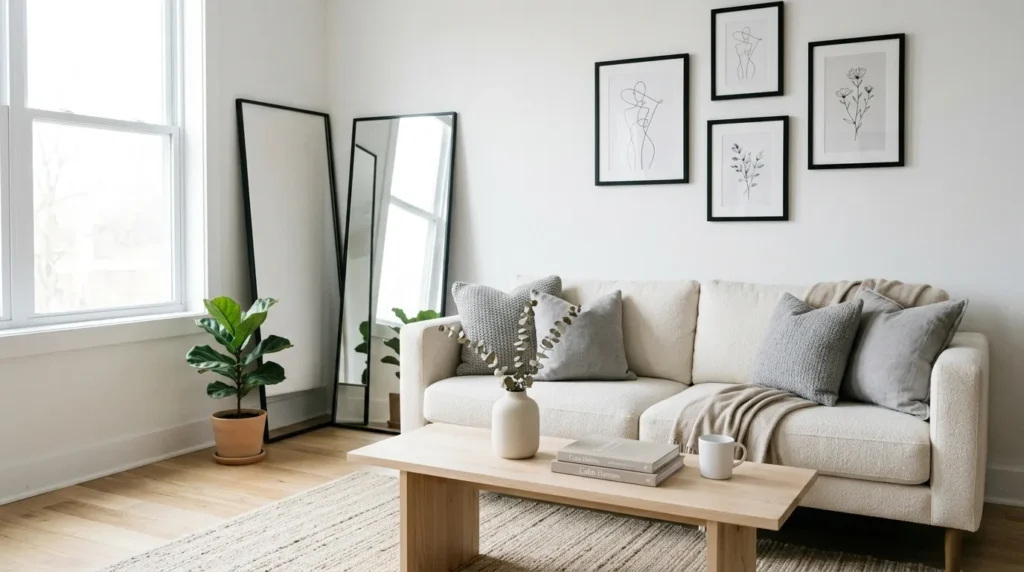
- Creates a calm background that feels bright, clean, and easy to style.
- Works with white, cream, beige, taupe, soft gray, warm wood, and black accents.
- Helps rooms feel larger and less visually crowded without removing comfort.
- Makes furniture, art, plants, and textures stand out in a softer way.
- Gives you flexibility to update decor seasonally without changing everything.
A neutral palette makes a room feel peaceful because the eye is not jumping between too many colors. This idea works best when you choose warm neutrals instead of flat, cold tones. Cream walls, beige upholstery, pale wood, linen curtains, and soft gray rugs can create a clean foundation. Add a little contrast with black frames, dark handles, or a charcoal lamp. The goal is not to make everything the same color, but to create gentle harmony.
The finished space feels more open, relaxed, and easy to live with. Neutral rooms are also practical because you can change pillows, throws, flowers, or wall art without replacing major furniture. If the room starts to feel plain, add texture instead of more color. Woven baskets, ceramic vases, wood tables, cotton throws, and wool rugs keep the space warm. This approach works especially well in apartments, family rooms, bedrooms, and open-concept homes where visual flow matters.
3. Hidden Storage
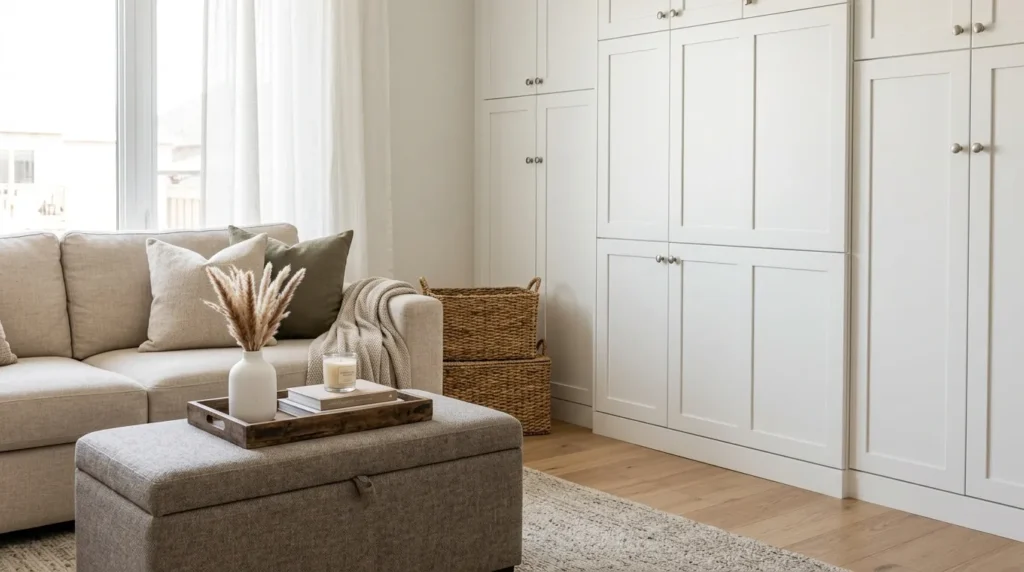
- Keeps everyday items close but out of sight.
- Works with storage benches, closed cabinets, ottomans, baskets, and drawer organizers.
- Helps control clutter in living rooms, bedrooms, kitchens, and entryways.
- Makes surfaces look cleaner without forcing you to own almost nothing.
- Supports real daily routines while keeping the room visually calm.
Hidden storage is one of the most useful ways to create a clean-looking home. This idea works because most people do not need fewer daily items; they need better places to put them. A storage ottoman can hide blankets, a closed cabinet can hold games, and a bench can store shoes. Choose pieces that look simple from the outside but work hard inside. That is why many designers recommend closed storage for busy rooms.
The transformation is both visual and practical. When remotes, chargers, toys, papers, and extra pillows have a place, the whole room feels calmer. Use drawer dividers, labeled bins, and baskets inside cabinets so storage does not become hidden chaos. This idea is especially helpful for families, renters, and small homes because it creates order without needing more space. Keep only frequently used items nearby, and move seasonal or rarely used pieces to closets, garages, or under-bed storage.
4. Simple Furniture
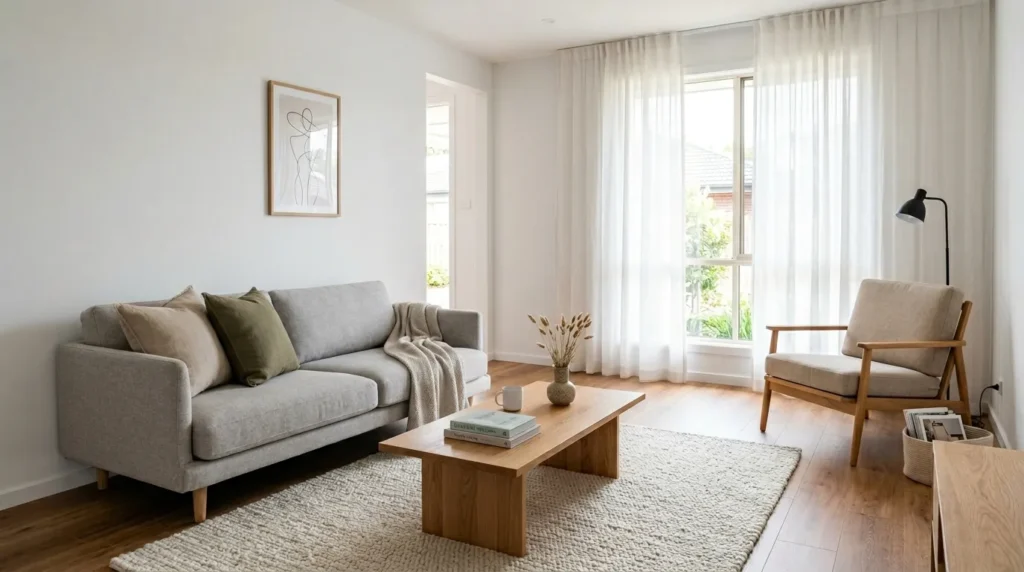
- Keeps the room open, functional, and easy to move through.
- Works with clean-lined sofas, low tables, slim chairs, and practical shelving.
- Helps small rooms feel larger by avoiding bulky or oversized pieces.
- Makes cleaning easier because there are fewer heavy objects blocking movement.
- Creates a timeless look that does not depend on fast decor trends.
Simple furniture gives a room structure without making it feel heavy. This idea works because clean lines, balanced scale, and practical shapes help the room breathe. Choose pieces that fit the space instead of filling every wall. A sofa with slim arms, a simple coffee table, and one comfortable accent chair can feel more elegant than too many small pieces. I’ve noticed that rooms look calmer when furniture legs are visible because the floor appears more open.
The finished space feels lighter and easier to use. Before buying furniture, measure walking paths, door swings, and rug size so the layout feels natural. Avoid pieces that look beautiful online but block movement in real life. Materials like wood, linen, leather, metal, and woven textures can add warmth without clutter. This idea is practical because it supports daily comfort while keeping the design clean. A simple room can still feel cozy when the seating, lighting, and textures are chosen well.
5. Open Surfaces
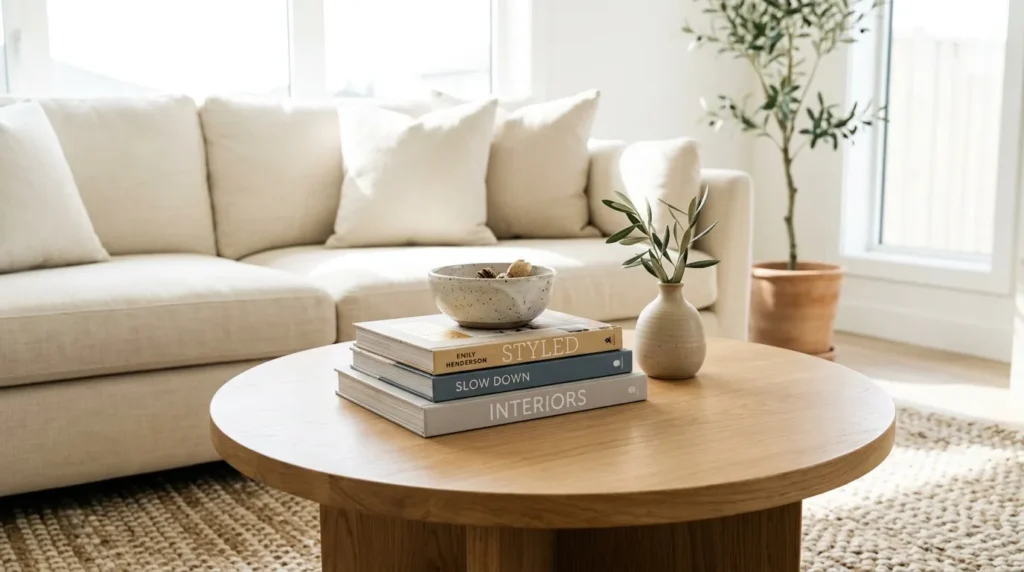
- Makes counters, tables, dressers, and shelves look cleaner instantly.
- Works with trays, drawer organizers, small bowls, and intentional decor pieces.
- Helps reduce visual stress in kitchens, bathrooms, bedrooms, and living rooms.
- Makes cleaning faster because fewer items need to be moved.
- Creates breathing room around the objects you actually want to display.
Open surfaces can make a home feel clean even before you change the furniture. This idea works because flat surfaces attract clutter quickly. Kitchen counters collect mail, nightstands collect cups, and coffee tables collect random items. Start by clearing one surface at a time, then return only what is useful or beautiful. A tray can group small items neatly, but it should not become a place for everything. Keep negative space visible so the surface feels calm.
The transformation feels refreshing because the room suddenly looks easier to maintain. When surfaces are not crowded, decor pieces stand out more and cleaning takes less time. Use drawers, baskets, or cabinets for items that do not need to stay visible. On a coffee table, one book, one bowl, and one small vase may be enough. In a bathroom, keep daily products in a drawer or simple container. This habit makes the whole home feel lighter without requiring a dramatic makeover.
6. Soft Textures
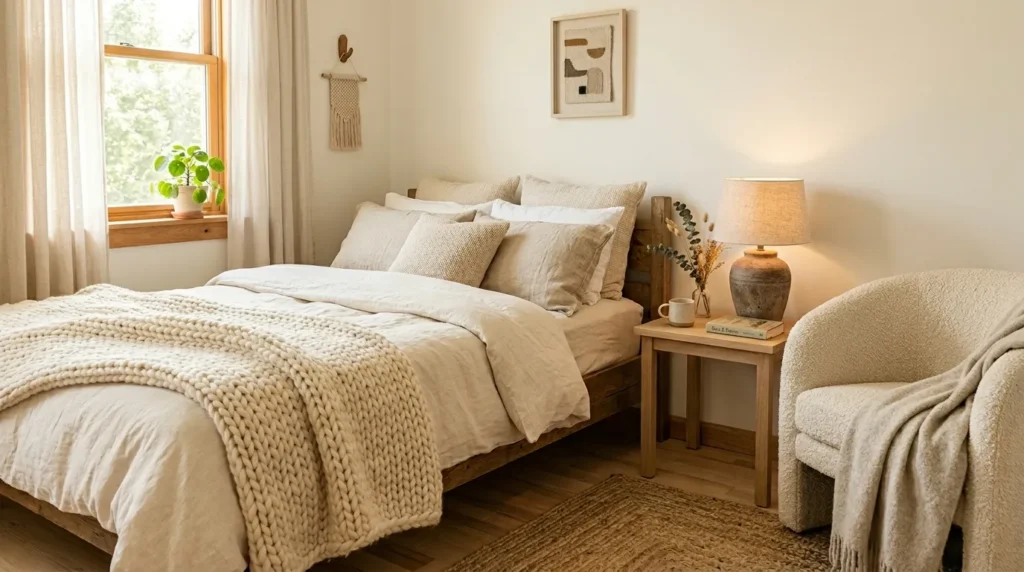
- Adds warmth so clean rooms do not feel cold or empty.
- Works with linen, cotton, wool, boucle, jute, wood, and ceramic materials.
- Creates depth without needing busy patterns or bright colors.
- Makes bedrooms, living rooms, and reading corners feel comfortable.
- Helps balance simple furniture with a cozy, lived-in feeling.
Soft textures are what keep a clean room from feeling too plain. This idea works because texture adds interest without adding clutter. A cream sofa looks better with linen pillows, a chunky knit throw, a jute rug, and a smooth wood table nearby. Each material brings a different feeling, but the palette stays calm. In my experience, texture is the secret to making simple rooms feel warm instead of unfinished.
The finished look feels relaxed, layered, and comfortable. Use natural materials wherever possible because they age well and photograph beautifully. Cotton curtains soften windows, wool rugs warm floors, and ceramic lamps add a handmade touch. You do not need many pieces; you need the right mix. This approach is practical for USA homes because it works across seasons. In winter, add heavier throws. In summer, switch to lighter linen and cotton. The space stays clean but never feels cold.
7. Clean Shelving
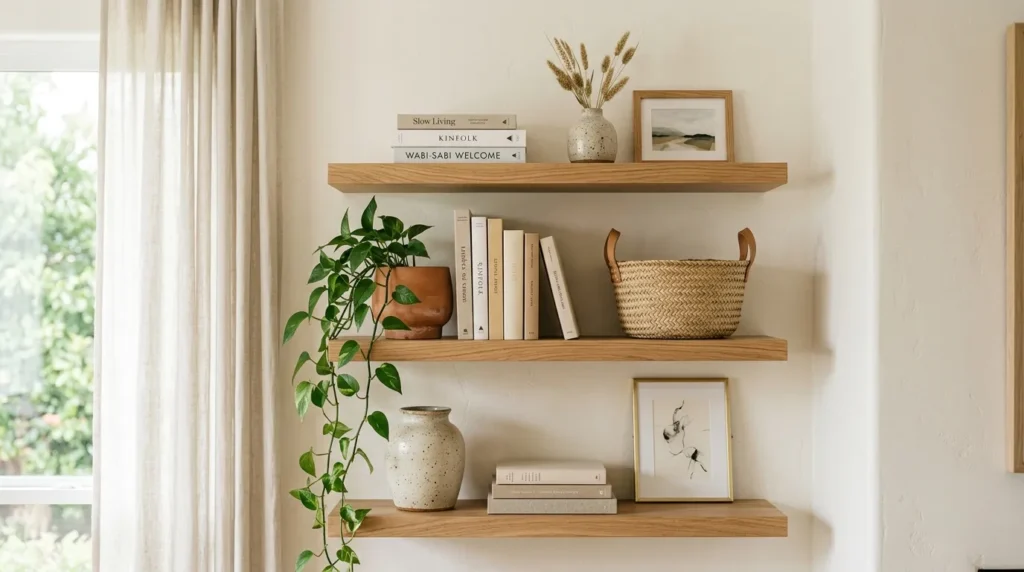
- Turns shelves into calm displays instead of cluttered storage zones.
- Works with books, ceramics, baskets, framed art, plants, and empty space.
- Helps living rooms, offices, and kitchens feel styled but not overfilled.
- Makes open shelving easier to dust, maintain, and visually understand.
- Creates a Pinterest-friendly look with balance, rhythm, and simple shapes.
Clean shelving can make a room look styled without feeling crowded. This idea works because shelves are highly visible, so every item affects the room’s mood. Start by removing everything, then add pieces back slowly. Mix books, ceramics, baskets, and small art, but leave open space around each group. Repeat a few colors or materials so the shelves feel connected. That’s why many designers recommend styling shelves in small clusters instead of lining up random items.
The transformation makes storage feel intentional rather than messy. Baskets can hide practical items like cords, remotes, notebooks, or craft supplies, while open areas display only the prettiest pieces. Vary height with tall vases, stacked books, and framed prints leaning against the wall. Avoid filling every shelf from edge to edge. This is practical because it gives you useful storage while keeping the room visually calm. Clean shelves also make a strong background for photos, video calls, and everyday living.
8. Natural Light
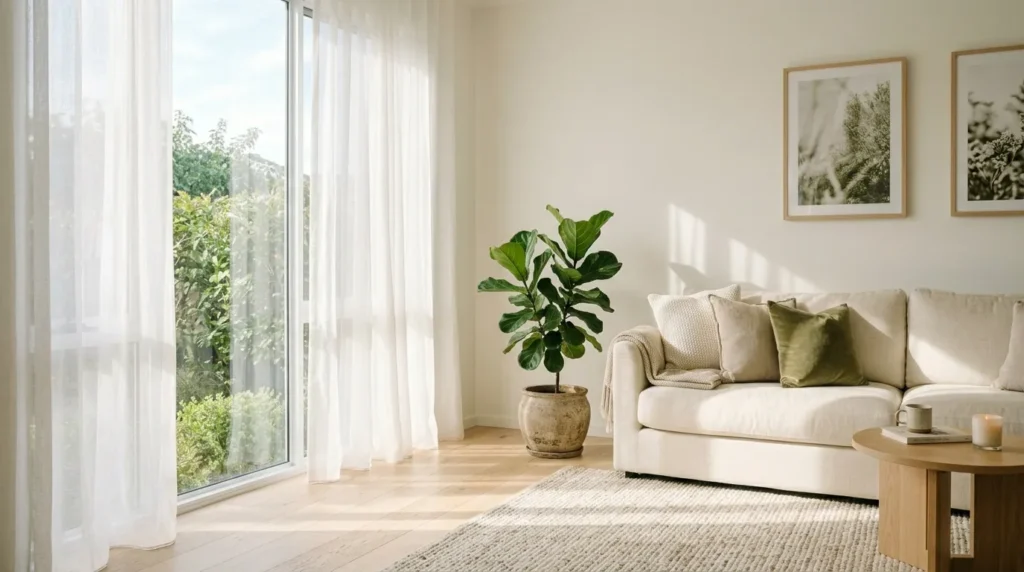
- Makes rooms feel larger, brighter, and more peaceful.
- Works with sheer curtains, clean windows, mirrors, pale walls, and light fabrics.
- Helps neutral colors and natural textures look softer throughout the day.
- Reduces the need for heavy decor because sunlight becomes part of the design.
- Creates a fresh, airy feeling in bedrooms, kitchens, and living spaces.
Natural light can make the simplest room feel beautiful. This idea works because sunlight brings softness, shadow, and warmth that artificial decor cannot fully replace. Keep window areas clear, choose light curtains, and avoid blocking daylight with tall furniture. A mirror across from or near a window can help bounce light deeper into the room. Clean glass, pale walls, and light fabrics all support a brighter atmosphere without adding more objects.
The transformation feels fresh and uplifting. A room with good light often needs less decoration because the changing daylight adds movement and mood. Use sheer curtains if you need privacy but still want brightness. In darker rooms, choose warm white lamps, reflective surfaces, and lighter rugs to support the same open feeling. This idea is practical because it improves how the home feels during work, mornings, and quiet evenings. Good light also makes clean spaces look more inviting and less flat.
9. Calm Bedroom
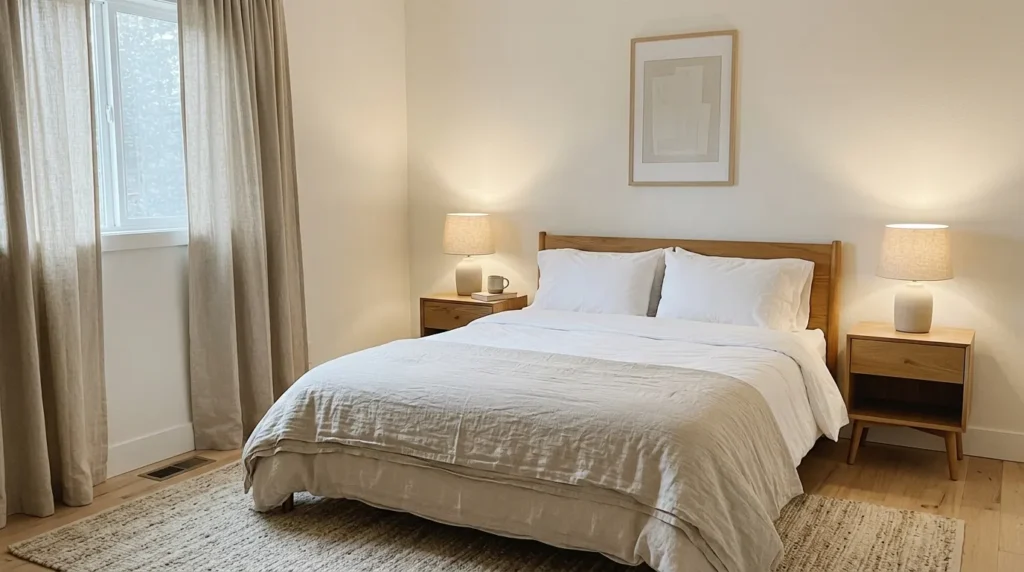
- Creates a restful space with fewer distractions and softer details.
- Works with simple bedding, closed nightstand storage, soft lamps, and neutral curtains.
- Helps support better evening routines by reducing visual clutter.
- Makes the bedroom feel peaceful without needing expensive furniture.
- Keeps the focus on comfort, sleep, and easy daily maintenance.
A calm bedroom starts with removing the visual noise that makes rest feel harder. This idea works because the bedroom should support sleep, not become a storage room for everything else. Choose simple bedding, keep nightstands clear, and use closed drawers for chargers, books, and small items. A soft lamp on each side of the bed creates balance. I’ve noticed bedrooms feel cleaner when the bed is the main feature, not piles of decor.
The finished room feels more peaceful and easier to reset each morning. Use cotton sheets, a light duvet, two sleeping pillows, and a few simple decorative pillows if you like them. Keep laundry baskets, shoes, and extra products out of sight when possible. A neutral rug can soften the floor, while curtains add privacy and texture. This setup is practical because it makes the bedroom easier to clean and more comfortable to use. A restful room does not need much to feel complete.
10. Intentional Decor
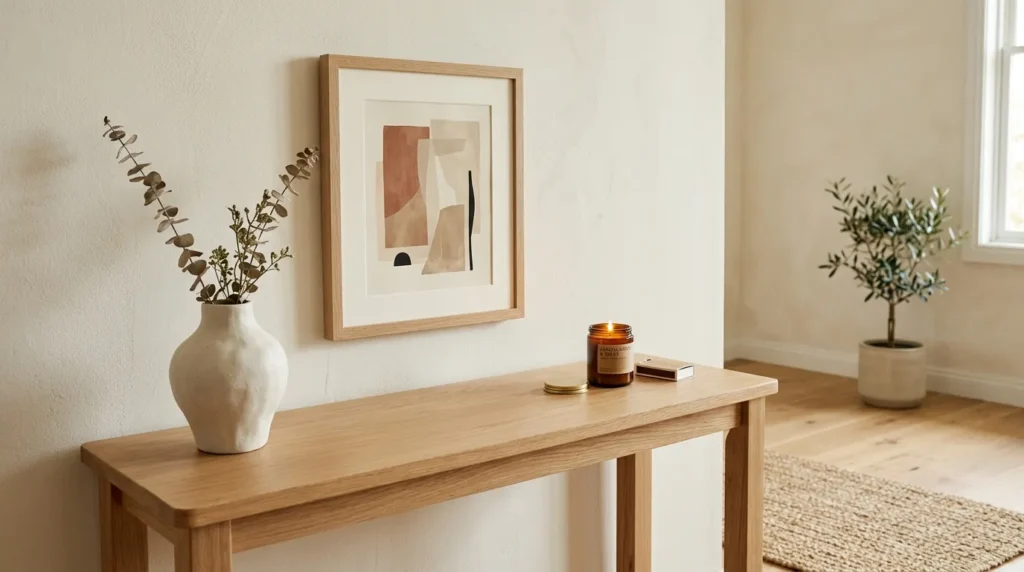
- Keeps decorative pieces meaningful, useful, or visually calming.
- Works with ceramics, framed art, candles, books, plants, and sculptural objects.
- Helps avoid random clutter while still making the home feel personal.
- Makes each room look styled without becoming overly decorated.
- Allows personality to show through fewer, better-chosen pieces.
Intentional decor makes a clean home feel personal instead of empty. This idea works because the goal is not to remove personality; it is to choose pieces that deserve attention. A ceramic vase, framed print, favorite book, candle, or simple plant can say more than a crowded table of random objects. Choose decor based on color, shape, texture, and meaning. If an item does not support the room, move it, store it, or let it go.
The transformation is subtle but powerful. Rooms feel calmer when every visible object has a reason to be there. Group decor in odd numbers, vary heights, and leave empty space around important pieces. This keeps the design clean while still warm. This is one of the best ways to keep a Minimalist Home from feeling cold, because your favorite objects become easier to notice. The result feels curated, peaceful, and realistic for everyday life.