10 Stylish Garden Ideas
A beautiful garden has a way of making a home feel softer, more personal, and more complete. For many USA homeowners, the outdoor space is no longer just a lawn to mow or a few plants near the fence. It has become a place to relax after work, host friends on summer evenings, enjoy quiet weekend mornings, and add real value to the property. The best gardens feel intentional, but they also feel livable. They are not so perfect that people are afraid to walk through them, and they are not so complicated that maintenance becomes exhausting.
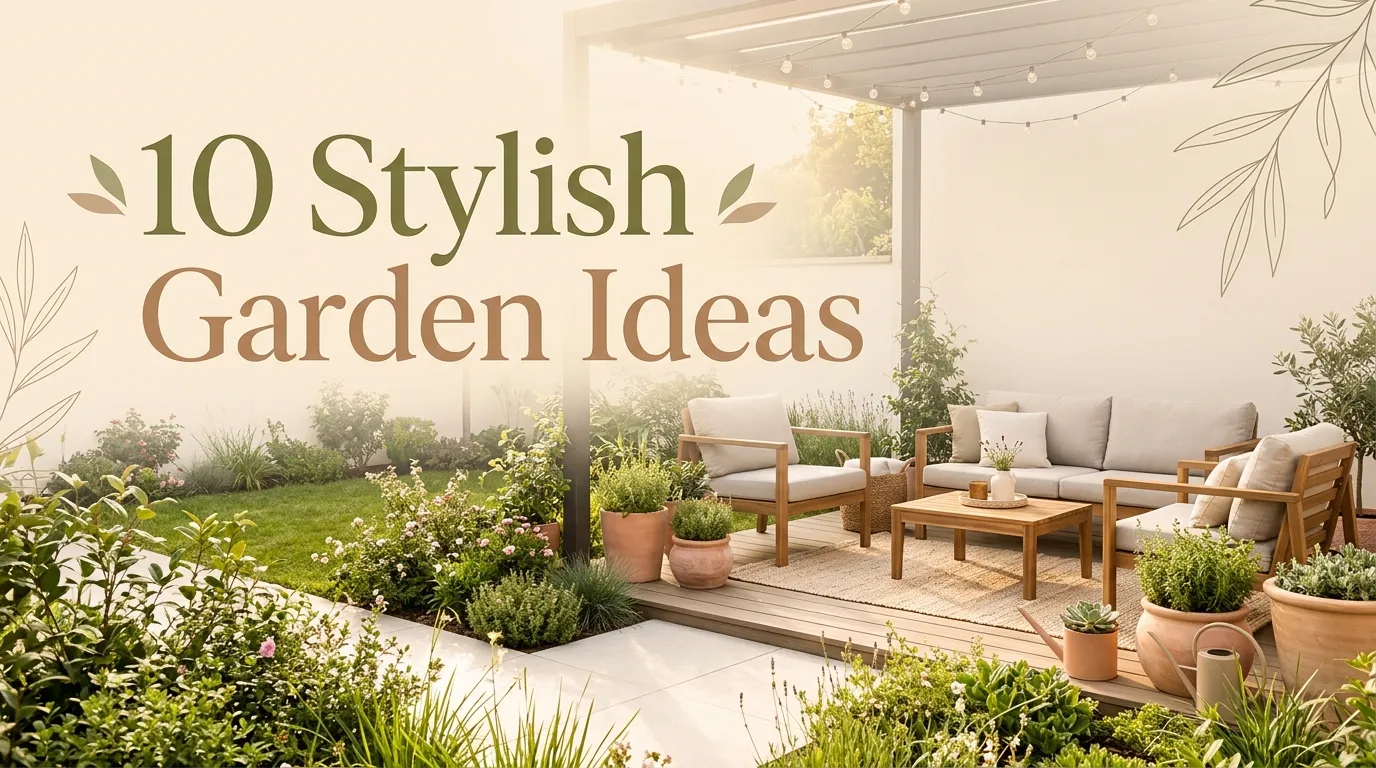
A Stylish Garden does not always require a huge budget or a full professional renovation. Sometimes the biggest improvement comes from a better pathway, cleaner plant layering, a stronger seating area, or a few containers placed where the eye naturally lands. The goal is to create outdoor moments that feel polished and practical at the same time. A garden should look beautiful in photos, but it should also support daily life, changing weather, pets, children, guests, and seasonal routines.
In my experience, homeowners often start with plants before thinking about structure. That can lead to a yard that blooms for a few weeks but feels unfinished the rest of the year. A more reliable approach is to build the garden around strong bones first. Think about edging, paths, seating, lighting, privacy, texture, and focal points. Then layer in plants that suit your climate, soil, and sunlight. This is especially important across the United States, where a plant that thrives in Oregon may struggle in Arizona, Florida, or Minnesota.
The ideas below are designed to help you create a garden that feels fresh, attractive, and easy to enjoy. You can use one idea as a weekend project or combine several for a larger outdoor makeover. Each section includes practical guidance, visual direction, material suggestions, and real-life styling logic, so the finished result feels thoughtful rather than random.
1. Layered Florals
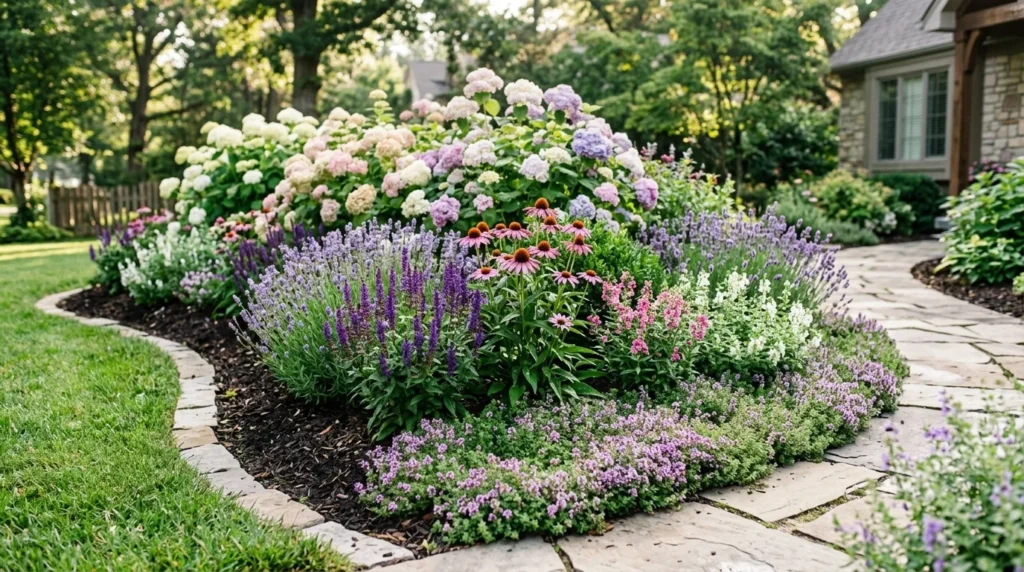
- Adds color, height, and softness without making the garden look crowded
- Helps flower beds feel fuller through spring, summer, and early fall
- Works beautifully along fences, walkways, patios, and front yard borders
- Combines shrubs, perennials, grasses, and low seasonal flowers for depth
Layered florals make a garden feel abundant without turning it into a messy patch of color. The idea is simple: arrange plants by height, texture, and bloom time so the bed looks full from front to back. Place taller shrubs or grasses behind medium flowers, then finish the edge with low blooms or groundcovers. For USA yards, hydrangeas, coneflowers, salvia, lavender, daylilies, and creeping thyme can create a balanced mix that feels colorful, structured, and easy to enjoy throughout the growing season, especially near patios and walkways. It feels lush without chaos.
The real beauty of this approach is that the garden keeps changing without losing its shape. When one plant finishes blooming, another can take over, so the space never feels empty. I’ve noticed this works best when homeowners repeat a few plant varieties instead of buying one of everything. Use mulch to reduce weeds, keep the soil cooler, and create a clean finished look. Add metal, brick, or stone edging if you want the bed to feel crisp and polished from the lawn in every season. It also photographs beautifully.
2. Gravel Courtyard
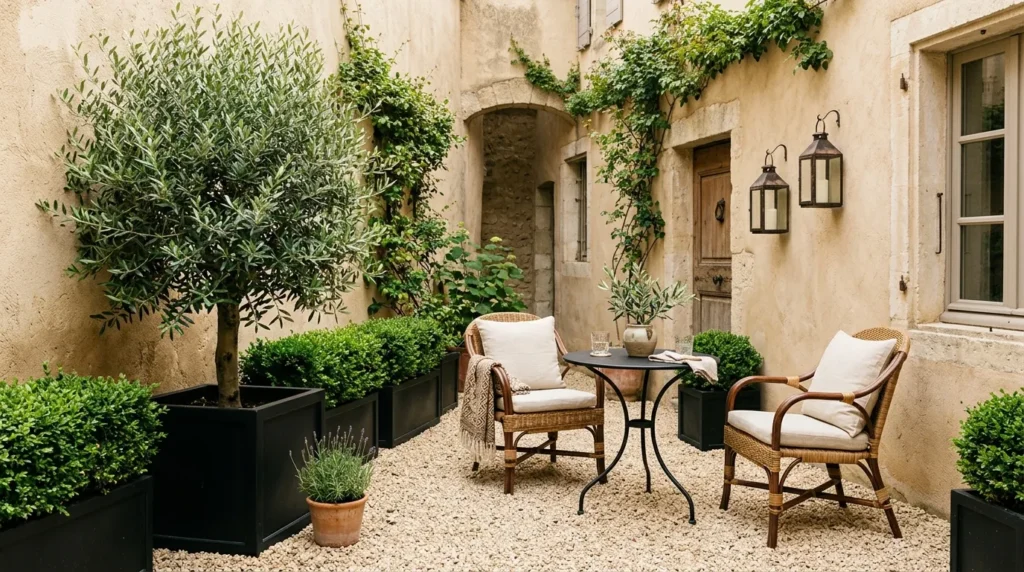
- Creates a low-maintenance garden area with a clean designer look
- Works well for small yards, side yards, and sunny unused corners
- Pairs beautifully with planters, bistro seating, fountains, and sculptural plants
- Improves drainage when installed with the right base and edging
A gravel courtyard can turn an overlooked outdoor corner into a calm, European-inspired retreat. Instead of fighting poor grass growth or bare soil, gravel gives the area structure, texture, and purpose. Use pea gravel, crushed granite, or small limestone chips depending on the look you want. A compacted base and landscape fabric can help reduce sinking and weeds. Add large planters, a small table, and a few architectural plants like olive trees, boxwood, yucca, or ornamental grass for a simple but elegant layout that suits many American homes and a refined finish.
This idea works especially well for homeowners who want beauty without constant watering or mowing. A gravel courtyard can sit near the kitchen door, beside a garage, under a pergola, or between garden beds. That’s why many designers recommend it for compact spaces where every square foot needs a clear purpose. Keep the palette limited so it feels intentional: warm gravel, black planters, wood furniture, and green foliage are enough. Add lanterns or low-voltage lights to make the space glow softly in the evening for relaxed outdoor use without adding demanding upkeep.
3. Raised Herb Beds
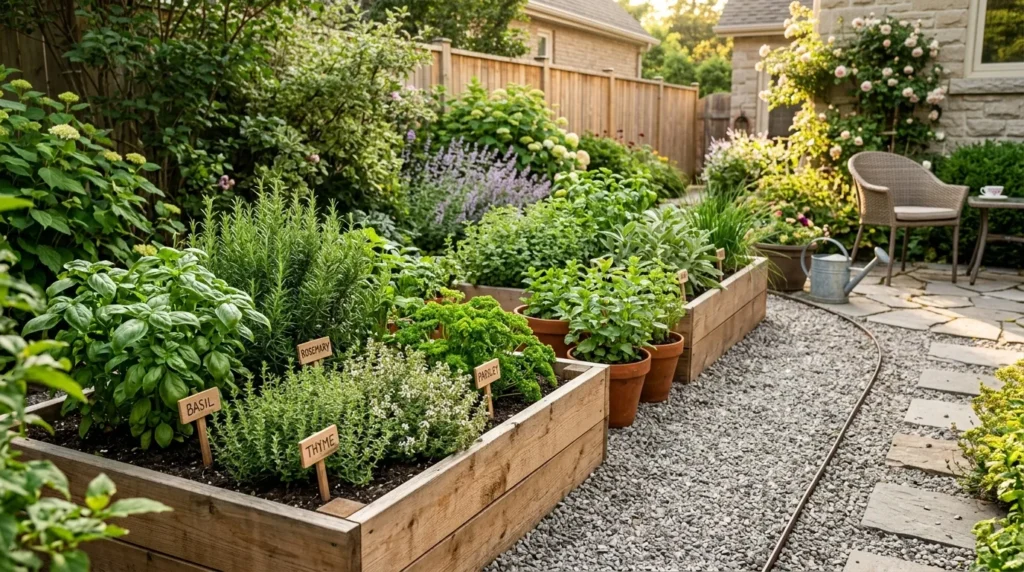
- Keeps herbs organized, easy to reach, and close to outdoor cooking areas
- Improves soil quality and drainage for healthier edible plants
- Adds clean structure to patios, decks, and backyard garden zones
- Works with cedar, galvanized steel, stone, brick, or composite materials
Raised herb beds bring beauty and everyday usefulness together in one compact garden feature. Herbs are some of the easiest plants to grow, but they look much better when they are arranged with intention. A raised bed near the patio, back door, or outdoor kitchen keeps basil, rosemary, thyme, parsley, mint, and chives within easy reach. Cedar and galvanized steel are popular choices because they look clean and hold up well outdoors. Use quality soil and compost so the plants establish strong roots quickly through the growing season in containers or beds.
The best part is how fragrant and practical this feature becomes over time. Brushing past rosemary or basil while walking outside makes the garden feel alive in a very personal way. In my experience, herbs perform better when aggressive growers like mint are kept in separate containers. Add small labels, gravel paths, or stepping stones around the beds for a finished look. If the bed receives strong afternoon sun, mulch lightly and water consistently. This keeps the herbs productive, attractive, and useful for everyday cooking at home without making the layout complicated.
4. Modern Pergola
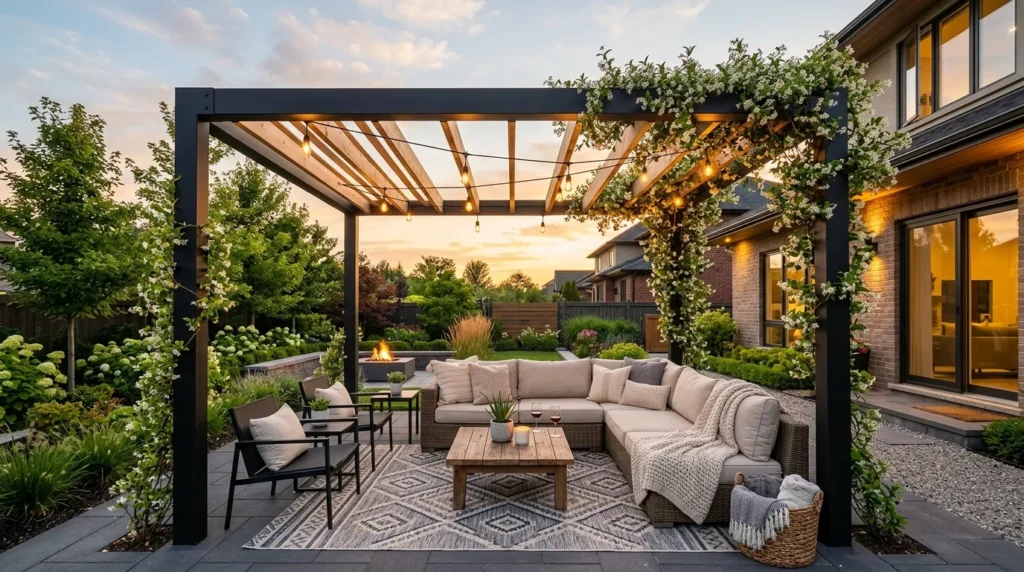
- Defines an outdoor room without fully enclosing the garden
- Adds shade, height, and architectural interest to patios or seating areas
- Works with wood, metal, vinyl, climbing vines, and outdoor curtains
- Creates a strong focal point for dining, lounging, or entertaining
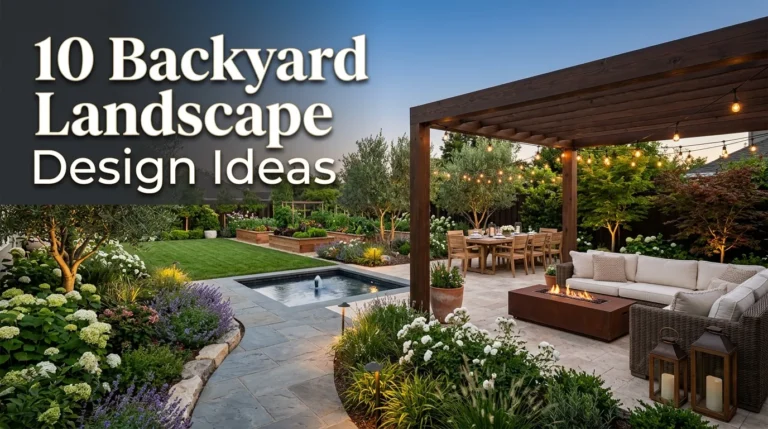
A modern pergola gives a garden instant structure and makes outdoor living feel more intentional. It frames a seating or dining area the same way walls frame an indoor room, but it still keeps the space open to light and air. Wood pergolas feel warm and natural, while black metal or white vinyl options create a cleaner contemporary look. Add climbing roses, wisteria, jasmine, or grapevine if your climate supports them. For hot states, shade panels or fabric can make the area more comfortable during long summer afternoons and stronger afternoon shade.
The transformation is strongest when the pergola connects to how the family actually uses the yard. Place it over an outdoor dining table, lounge chairs, or a fire pit area so it supports real routines. I’ve seen this work well in many homes where the pergola visually anchors a large patio that previously felt too open. Add outdoor-rated string lights, curtains, or a ceiling fan if the structure allows it. Choose weather-resistant furniture and washable cushions so the space remains attractive through changing seasons and busy weekends without losing comfort or style.
5. Curved Walkways
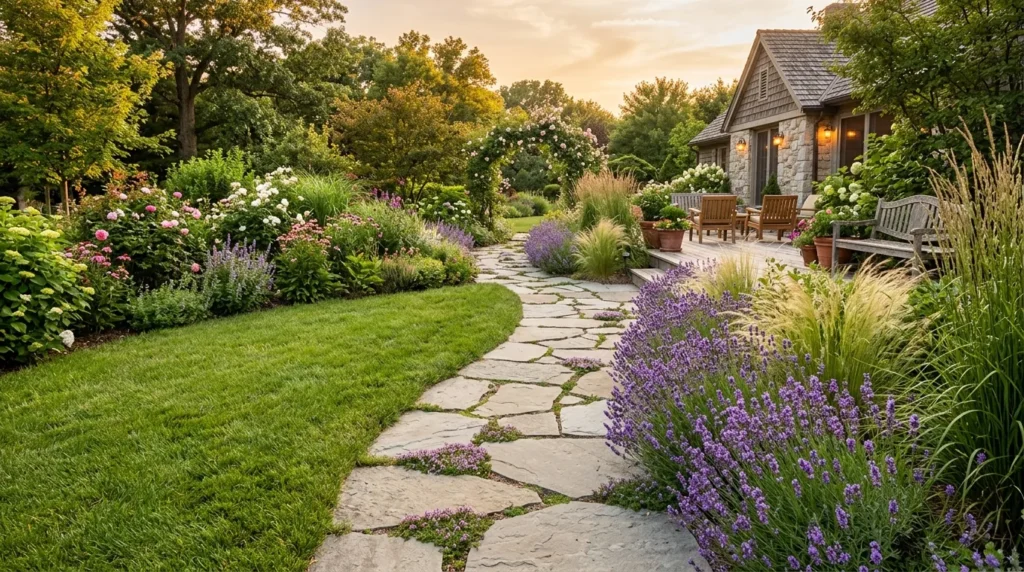
- Guides movement naturally through flower beds, lawns, and seating zones
- Adds softness to yards with many straight fences or hard edges
- Creates a sense of discovery in small and large gardens
- Works with flagstone, brick, pavers, gravel, or stepping stones
Curved walkways make a garden feel more inviting because they slow the eye and soften the layout. Instead of leading people in a harsh straight line, a gentle curve creates a relaxed journey through the outdoor space. It can guide guests from the driveway to the porch, from the patio to a seating area, or through planted beds. Flagstone gives a natural cottage feeling, brick feels classic, and concrete pavers suit modern homes. The curve should look effortless, not random or too tight for comfortable movement.
A good walkway also protects the lawn and soil from constant foot traffic. The key is building a stable base so the surface stays even over time. In rainy or snowy regions, choose materials with enough grip and avoid overly polished stone. I’ve noticed curved paths look best when planted edges soften them slightly. Use creeping thyme, sedum, dwarf mondo grass, or lavender along the sides. Add low path lights where needed, and the walkway becomes both a practical route and a beautiful design feature for daily use in every season of the year.
6. Container Styling
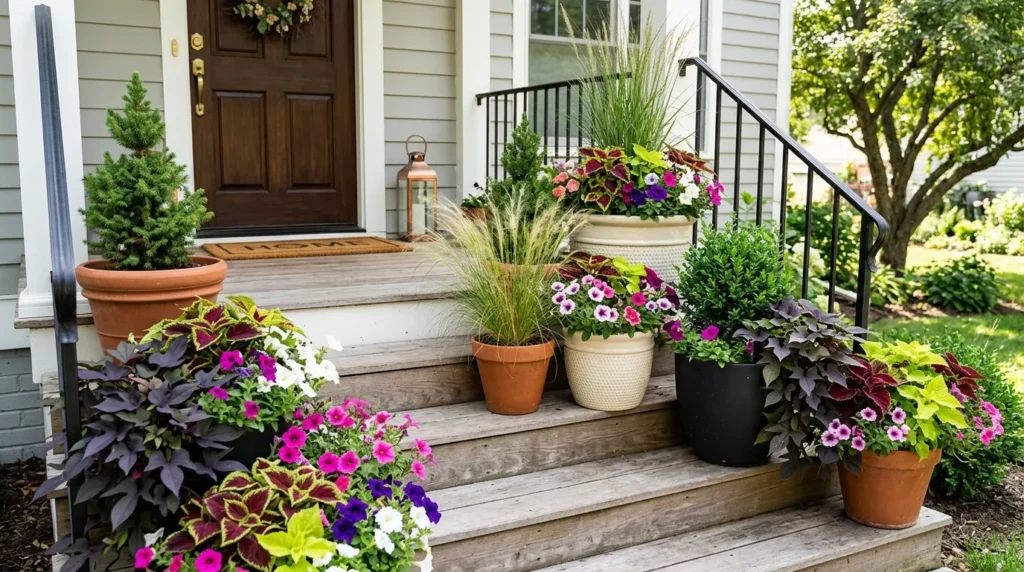
- Adds instant color and flexibility to patios, porches, decks, and steps
- Works for renters, small yards, and homes with limited planting beds
- Allows seasonal changes without redesigning the entire garden
- Looks best with grouped pots, varied heights, and coordinated materials
Container styling is one of the quickest ways to refresh an outdoor space without major construction. Pots can add color, height, and personality wherever the garden needs a little lift. Use large containers near doors, medium pots beside seating, and smaller planters on steps or tables. For a high-end look, choose containers that share a common material or color family, such as terracotta, matte black, cream ceramic, or weathered concrete. This keeps the arrangement stylish even when the plants are bold or seasonal in color in a polished, flexible way.
The most successful container groups follow the thriller, filler, and spiller method. Use one upright plant for height, rounded plants for fullness, and trailing plants to soften the edges. That’s why many designers recommend mixing ornamental grasses, petunias, sweet potato vine, coleus, herbs, or small evergreens. Make sure every pot has drainage holes, and use potting mix rather than heavy garden soil. In hot USA climates, larger pots dry out more slowly and protect roots better. With regular watering, containers can transform plain corners beautifully for porches, decks, and patios.
7. Water Bowl
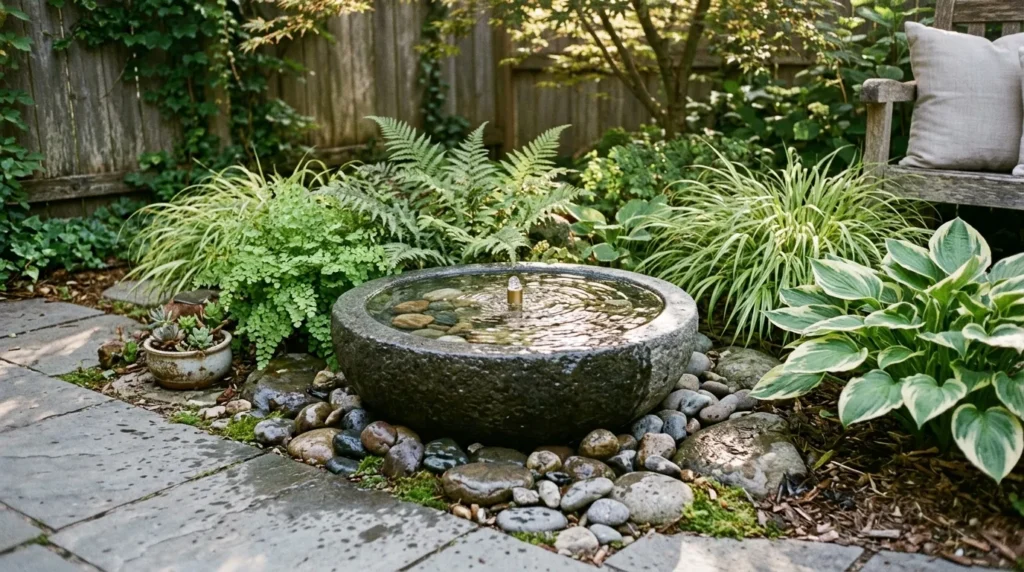
- Adds a peaceful focal point without requiring a large pond
- Works on patios, courtyards, entry gardens, and small backyard corners
- Creates soft sound, reflection, and movement in the landscape
- Pairs well with stone, pebbles, ferns, hostas, and ornamental grasses
A water bowl brings a calm, polished feeling to the garden without taking over the entire space. Unlike a large pond, it can fit on a patio, near a pathway, beside a seating area, or in a quiet planted corner. Choose a stone, ceramic, concrete, or metal bowl depending on your outdoor style. A small recirculating pump can create gentle movement and prevent the water from feeling still. Surround the feature with smooth pebbles, low plants, and soft lighting for a finished designer look in smaller yards or courtyards too.
The sound and reflection make this idea feel more luxurious than its size suggests. It can soften neighborhood noise, attract birds, and create a peaceful moment near the home. In colder states, choose a bowl that can handle freeze-thaw conditions or plan to empty it before winter. I’ve seen this work well when homeowners place a bench or chair nearby, so the feature can actually be enjoyed. Keep maintenance simple by removing leaves, checking water levels, and cleaning the pump as needed during the season from almost every outdoor seating angle.
8. Green Privacy
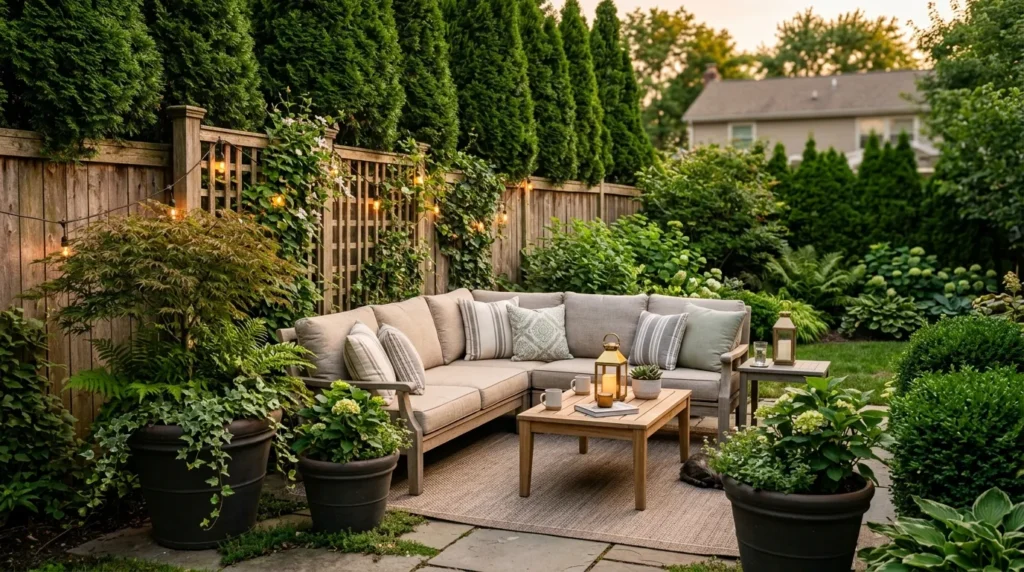
- Screens nearby views while keeping the garden soft and natural
- Adds vertical interest around patios, fences, decks, and seating areas
- Works with hedges, trellises, tall grasses, vines, or large planters
- Improves comfort for outdoor dining, lounging, and family time
Green privacy can make an exposed backyard feel comfortable almost immediately. Many American homes sit close to neighbors, so creating a sense of enclosure is often essential. Instead of relying only on a tall fence, use plants to soften views and add life. Evergreen shrubs, arborvitae, holly, privet, ornamental grasses, and climbing vines can create attractive screening. For patios, large planters with bamboo, boxwood, or columnar evergreens can provide privacy without permanent construction. The goal is protection without making the space feel closed in and easy year-round visual appeal too.
The best privacy plan blocks specific sightlines rather than surrounding the entire yard like a wall. Stand in your seating area and notice where views feel uncomfortable, then place screening only where it is needed. In my experience, this feels more natural and often costs less. Use trellises with clematis, jasmine, or climbing roses if you want a softer seasonal effect. Check mature plant sizes before buying, because overcrowding can cause long-term maintenance problems. With the right choices, privacy planting adds comfort, beauty, and value from inside and outside the home.
9. Dining Nook
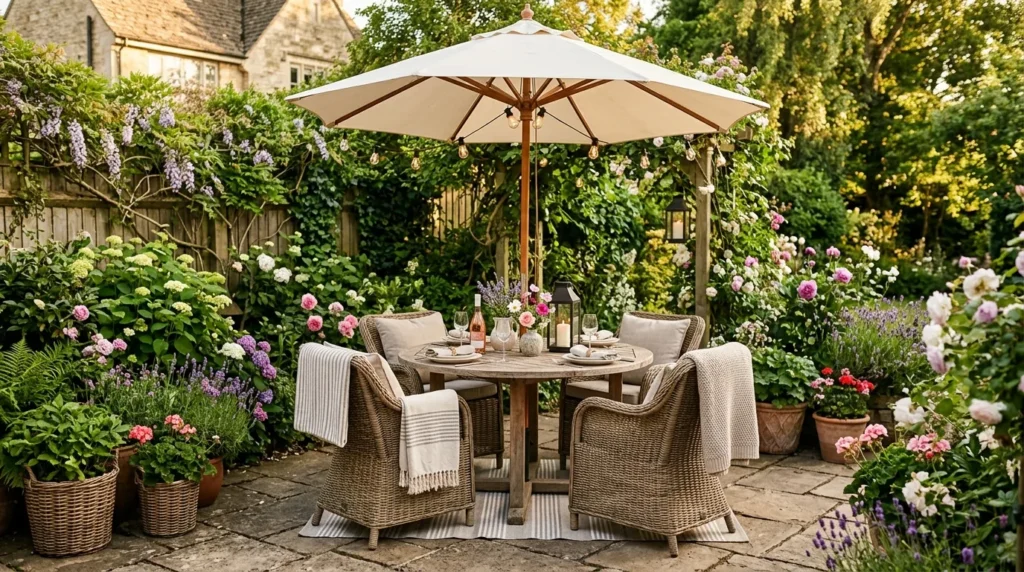
- Creates a dedicated place for outdoor meals and weekend gatherings
- Works on patios, decks, gravel pads, or tucked garden corners
- Feels finished with lighting, planters, shade, and durable furniture
- Turns unused outdoor space into a practical extension of the home
A garden dining nook makes the yard feel like a place to live, not just a place to look at. It does not need to be large; even a small table with four chairs can create a charming outdoor destination. Choose a level surface, such as pavers, decking, gravel, or a concrete patio, so the furniture sits safely. Add planters around the edges to define the nook and soften hard surfaces. Shade from a tree, umbrella, sail, or pergola makes meals more comfortable in a calm and natural way too.
The right details can turn this simple setup into a favorite family spot. Use weather-resistant furniture, washable cushions, and an outdoor rug if the surface allows it. I’ve noticed dining areas feel more inviting when they are close enough to the kitchen for easy serving, but slightly tucked away for atmosphere. Add string lights, lanterns, or wall sconces for evening meals. A nearby herb planter, small fountain, or flowering border can make the space feel connected to the garden rather than placed on top of it as weather and family needs change.
10. Soft Lighting
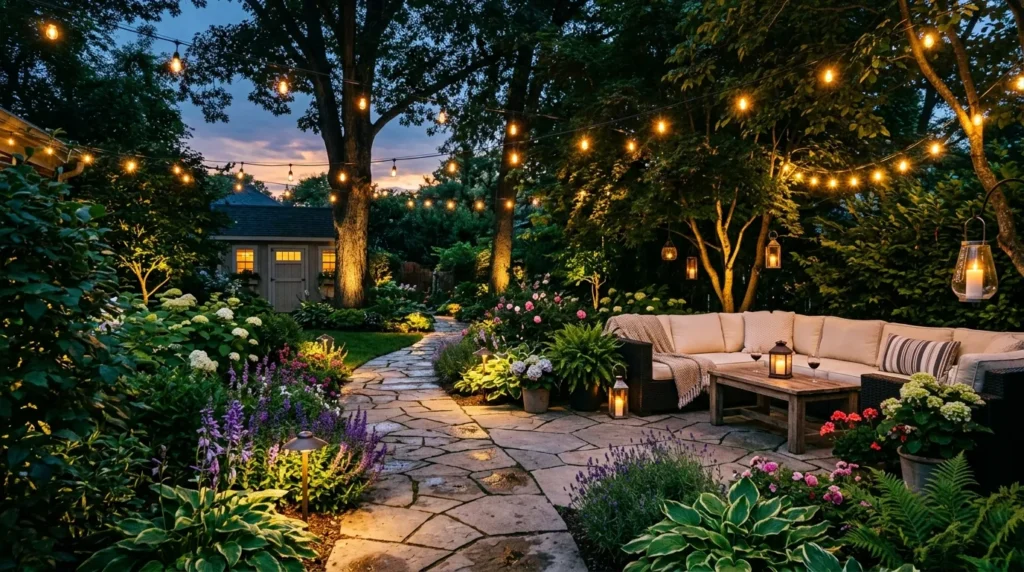
- Creates evening atmosphere around paths, patios, trees, and garden beds
- Improves safety near steps, entrances, and changes in ground level
- Highlights textures like stone walls, foliage, water, and wood features
- Works with low-voltage fixtures, lanterns, sconces, and string lights
Soft lighting can make a garden feel magical after sunset while also improving safety. During the day, plants and materials create the main visual story, but at night lighting decides what still gets noticed. Start with practical areas like steps, walkways, gates, and patio edges. Then layer in atmosphere by uplighting a tree, washing light across a stone wall, or adding gentle glow near seating. Warm white bulbs usually feel more welcoming than harsh cool tones, especially in outdoor living areas and relaxed family spaces for ordinary weeknights and casual weekends.
The trick is using enough light to guide the eye without making the yard feel like a parking lot. Low-voltage systems are reliable for permanent designs, while solar lights and lanterns can add flexible accents. That’s why many designers recommend placing fixtures carefully before installing them permanently. Test the effect at night and adjust angles to avoid glare. String lights over a dining nook, sconces near doors, and subtle path lights can work together beautifully. This final layer makes the garden usable, cozy, and visually complete in a way that feels warm, not overdone.