10 Gardening And Landscaping Ideas
A beautiful yard does more than make a home look attractive from the street. It changes how people feel when they walk outside, drink coffee on the patio, host family on the weekend, or simply pull into the driveway after a long day. For USA homeowners, outdoor spaces have become an extension of daily living, not just a patch of grass to maintain. Whether the home sits in a suburban neighborhood, a small city lot, a farmhouse-style property, or a cozy backyard corner, the right outdoor plan can make the space feel intentional, peaceful, and genuinely useful.
The best gardens are not always the biggest or the most expensive. They are the ones that understand sunlight, movement, privacy, maintenance, color, texture, and lifestyle. A front border can create curb appeal. A raised planter can make vegetables easier to grow. A stone path can guide guests naturally through the yard. A shaded seating corner can turn an unused area into a favorite evening spot. That is the value of smart Gardening And Landscaping planning: it makes outdoor areas beautiful while still keeping them practical.
In my experience, many homeowners get overwhelmed because they try to redesign the entire yard at once. A better approach is to divide the space into smaller visual moments. Think about what you want to improve first. Maybe you need more privacy, less lawn maintenance, better drainage, more flowers, a cleaner patio, or a backyard that feels ready for guests. Once the purpose is clear, the design becomes easier.
These 10 ideas are written to help you create a yard that looks Pinterest-worthy but still works in real life. Each idea includes practical tips, material suggestions, layout logic, and visual direction you can adapt to different climates across the United States. The goal is simple: create an outdoor space that feels fresh, welcoming, manageable, and deeply connected to the way you actually live.
1. Layered Borders
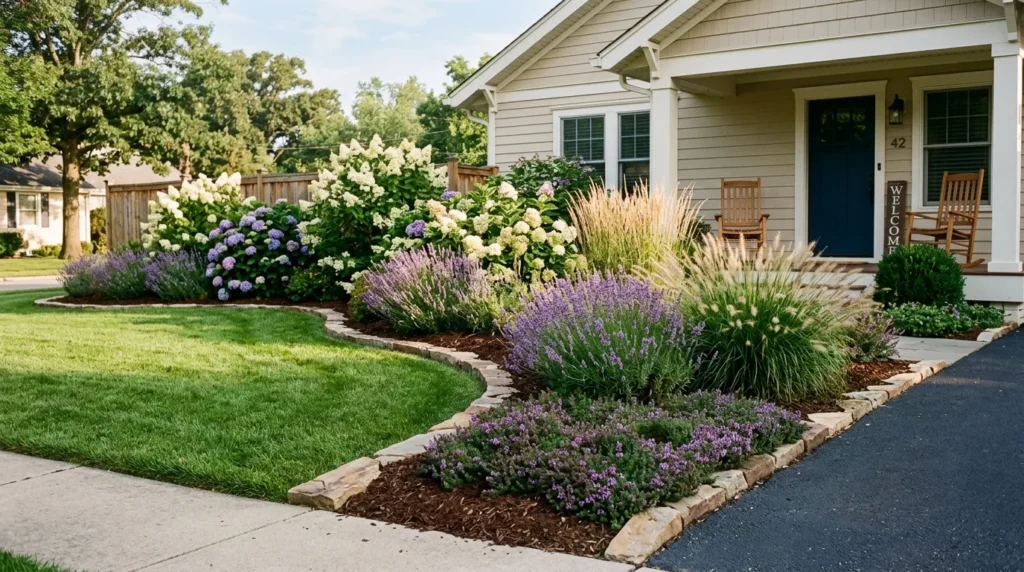
- Adds depth and color around fences, walkways, and lawn edges
- Helps the yard look fuller without feeling crowded
- Combines shrubs, perennials, grasses, and seasonal flowers
- Works well for front yards, side yards, and backyard perimeters
Layered borders instantly make a yard feel more mature, polished, and professionally planned. Instead of planting one row of flowers along a fence, this idea builds depth by arranging plants in heights. Taller shrubs go toward the back, medium perennials sit in the center, and low flowers or groundcovers soften the front edge. This creates movement, texture, and color through the seasons. For USA homes, hydrangeas, boxwood, lavender, salvia, coneflowers, ornamental grasses, and creeping thyme can make borders feel full without becoming difficult to manage.
The biggest transformation comes from repetition and spacing. Choose a few reliable plants and repeat them in groups, rather than buying one of everything. This keeps the border visually calm and easier to maintain. In my experience, odd-number groupings look more natural, especially when plants have different leaf shapes and bloom times. Add mulch to control weeds, keep moisture in the soil, and give the bed a finished look. A simple steel, stone, or brick edge also helps separate the border from the lawn beautifully.
2. Front Yard Beds
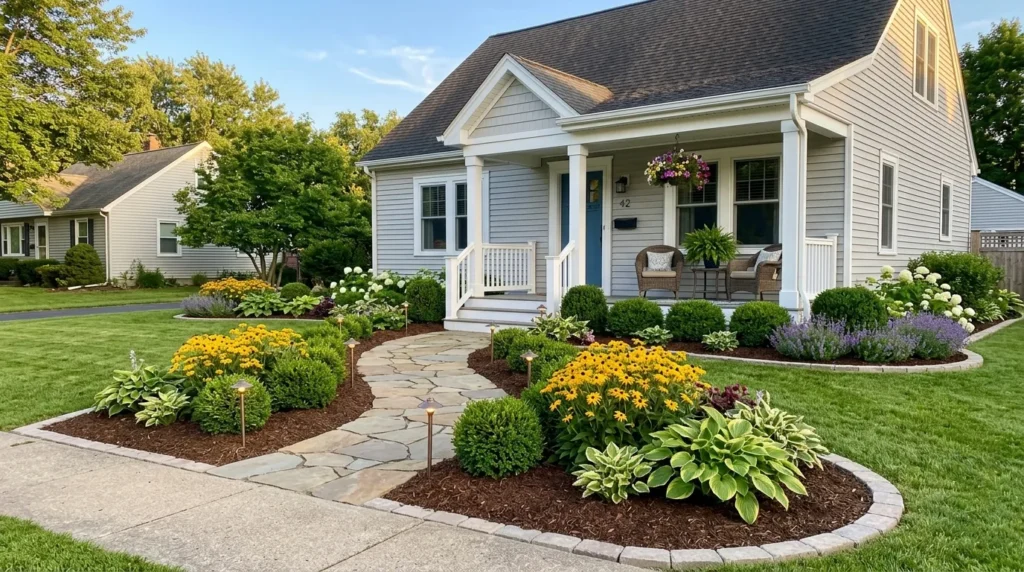
- Improves curb appeal from the street
- Frames the porch, driveway, and entry walkway
- Adds seasonal color without needing a full-yard makeover
- Works well with evergreen shrubs and low-maintenance flowers
Front yard beds are one of the easiest ways to make a home feel welcoming before anyone reaches the front door. A well-designed bed can soften hard surfaces like driveways, sidewalks, porch steps, and foundation walls. Start by shaping the bed with gentle curves or clean straight lines, depending on the style of the home. Traditional houses often look beautiful with curved planting beds, while modern homes suit sharper geometry. Use evergreen shrubs as the base, then layer flowers and grasses for color.
The secret is keeping the front yard tidy and balanced, because this area gets noticed every day. Avoid plants that grow too tall in front of windows, and leave enough space for mature growth. That’s why many designers recommend checking plant tags carefully before planting. For a classic USA look, combine boxwood, dwarf holly, daylilies, black-eyed Susans, hostas, and seasonal annuals near the entrance. Add landscape fabric only where appropriate, but avoid suffocating soil. Fresh mulch, pathway lights, and a clean bed edge create an instant visual upgrade.
3. Patio Garden
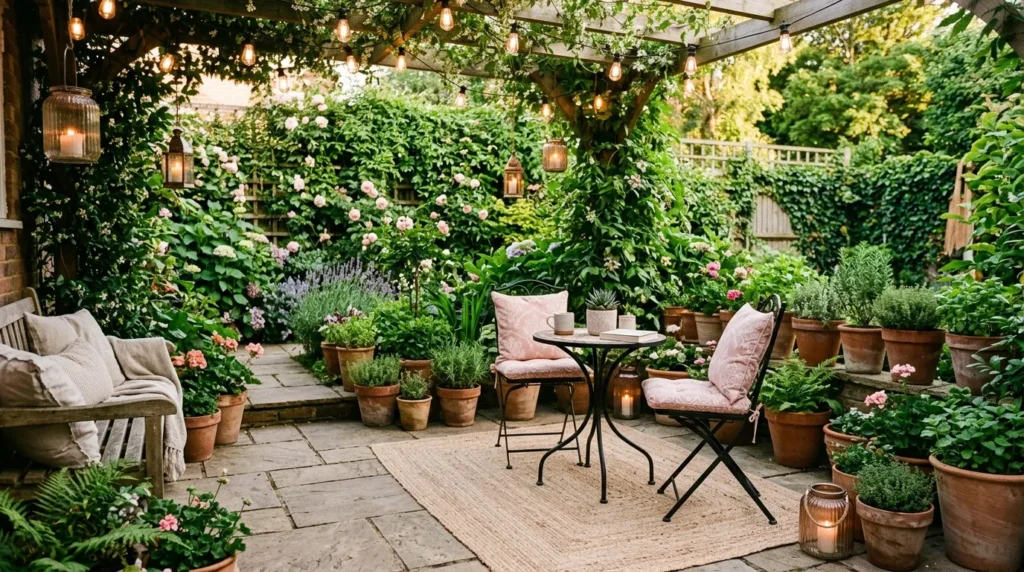
- Turns a plain patio into a cozy outdoor room
- Adds greenery without requiring a large yard
- Works with containers, vertical planters, and small furniture
- Perfect for townhomes, suburban patios, and compact backyards
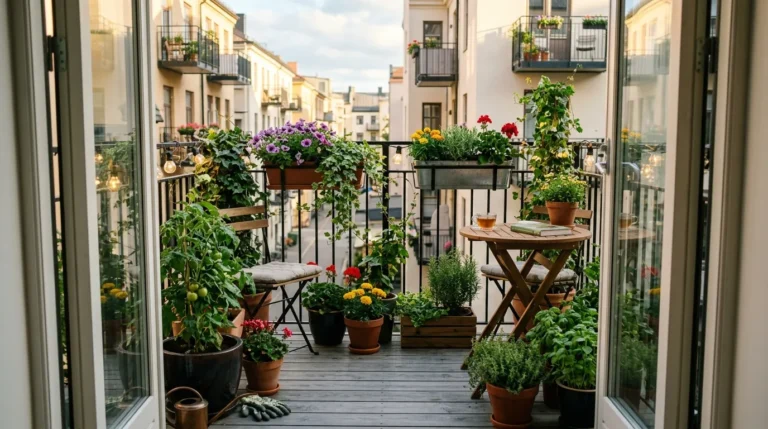
A patio garden can make even a small outdoor slab feel warm, personal, and inviting. Instead of treating the patio as only a place for chairs, surround it with planters, climbing vines, herbs, and soft lighting. Large containers help define the edges, while smaller pots can add color near seating areas. Choose weather-resistant furniture that fits the scale of the space, such as a bistro set, slim sofa, or two lounge chairs. The goal is comfort without crowding the walking path.
The best patio gardens combine function and atmosphere. Place taller plants where you need privacy, herbs near the kitchen door, and fragrant flowers close to seating. I’ve noticed this works especially well when containers share a consistent color palette, such as terracotta, matte black, stone gray, or warm ceramic. Use potting mix rather than garden soil, and make sure every container has drainage. Add outdoor rugs, lanterns, and cushions made for weather exposure. With the right layers, a plain patio can feel like a finished outdoor living room.
4. Raised Planters
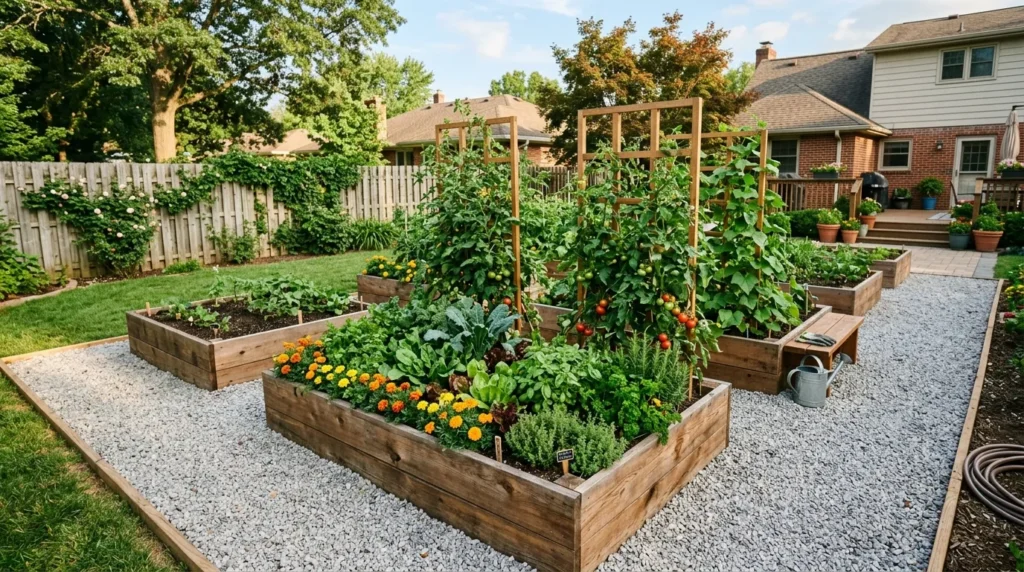
- Makes planting easier on the back and knees
- Improves soil control for vegetables, herbs, and flowers
- Creates clean structure in small or uneven yards
- Works with wood, metal, stone, or composite materials
Raised planters are practical, beautiful, and especially useful for homeowners who want more control over their growing space. They allow you to improve poor soil, manage drainage, and organize plants in neat sections. For vegetables and herbs, raised beds can warm faster in spring, making them helpful in many USA climates. Cedar, redwood, galvanized steel, composite boards, and stone blocks are popular materials because they offer structure and durability. Keep the width comfortable, so you can reach the center without stepping inside.
The visual benefit is just as strong as the gardening benefit. Raised beds create clean lines that make a yard look organized, even when plants grow full and abundant. A gravel path between planters keeps the area tidy and reduces mud. In my experience, this layout works beautifully in side yards, sunny backyard corners, and near patios. Fill beds with quality soil, compost, and mulch to support healthy roots. Add trellises for tomatoes, cucumbers, peas, or climbing flowers, turning the planters into vertical garden features.
5. Stone Pathways
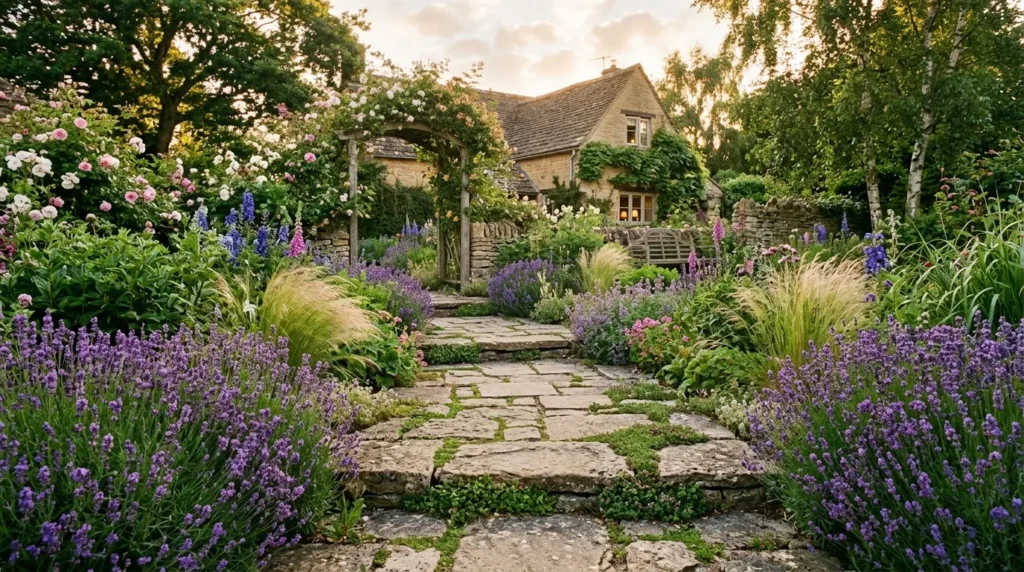
- Guides movement through the yard naturally
- Adds texture, structure, and charm
- Protects grass and soil from heavy foot traffic
- Works with gravel, flagstone, pavers, brick, or stepping stones
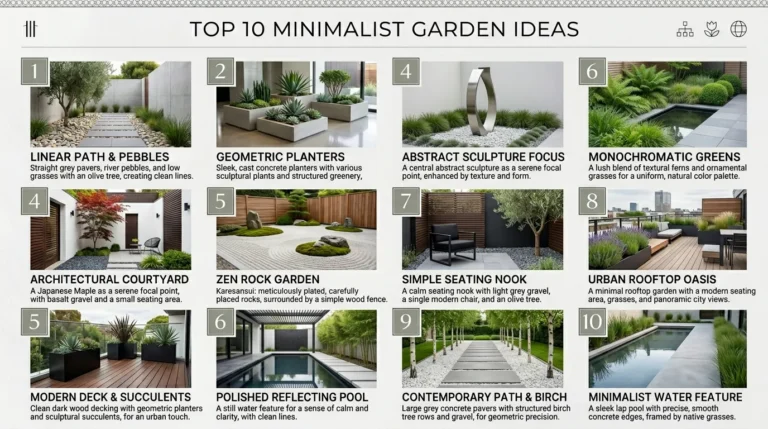
Stone pathways bring a sense of purpose to outdoor spaces by showing people where to walk and what to notice. A path can connect the driveway to the porch, lead from the patio to the garden, or create a quiet route through planted beds. The material should match the home’s style. Flagstone feels organic and relaxed, brick looks classic, concrete pavers feel clean and modern, and gravel gives a casual cottage look. Good pathways balance beauty with safety, especially in rainy or snowy areas.
The most usable paths are wide enough to walk comfortably and stable enough for daily use. Lay a proper base with compacted gravel or sand, depending on the material, so stones do not shift over time. I’ve seen this work well when low plants soften the edges, such as creeping thyme, mondo grass, sedum, or lavender. Add solar or low-voltage lights along the path for evening visibility. A pathway does not need to be expensive to look elegant; careful spacing and clean edging make the biggest difference.
6. Native Planting
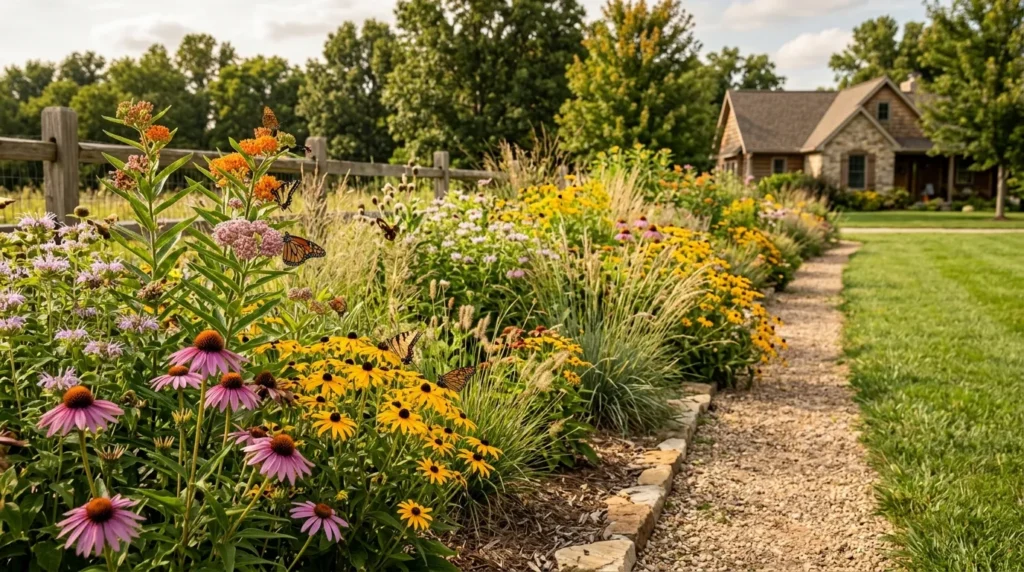
- Reduces watering and maintenance over time
- Supports birds, bees, butterflies, and local wildlife
- Helps the yard adapt better to regional weather
- Creates a natural look that changes beautifully by season
Native planting is one of the smartest ways to create a yard that feels healthy, sustainable, and connected to its region. Instead of forcing high-maintenance plants into the wrong climate, choose species that already thrive in your area. This can reduce watering, fertilizer use, and plant failure. Across the USA, choices vary widely, from prairie grasses and coneflowers in the Midwest to manzanita in California or yaupon holly in the Southeast. Local nurseries and extension offices are excellent resources for region-specific suggestions.
The result is a garden that feels alive in a deeper way. Native plants often attract pollinators, provide seeds for birds, and handle local temperature shifts better than imported ornamentals. That’s why many designers recommend mixing native shrubs, grasses, and flowering perennials instead of relying only on lawn. Keep the design intentional by planting in repeated drifts, using mulch, and adding clear edges. This prevents the space from looking messy while still feeling natural. Over time, native planting can become one of the most rewarding outdoor upgrades.
7. Privacy Screens
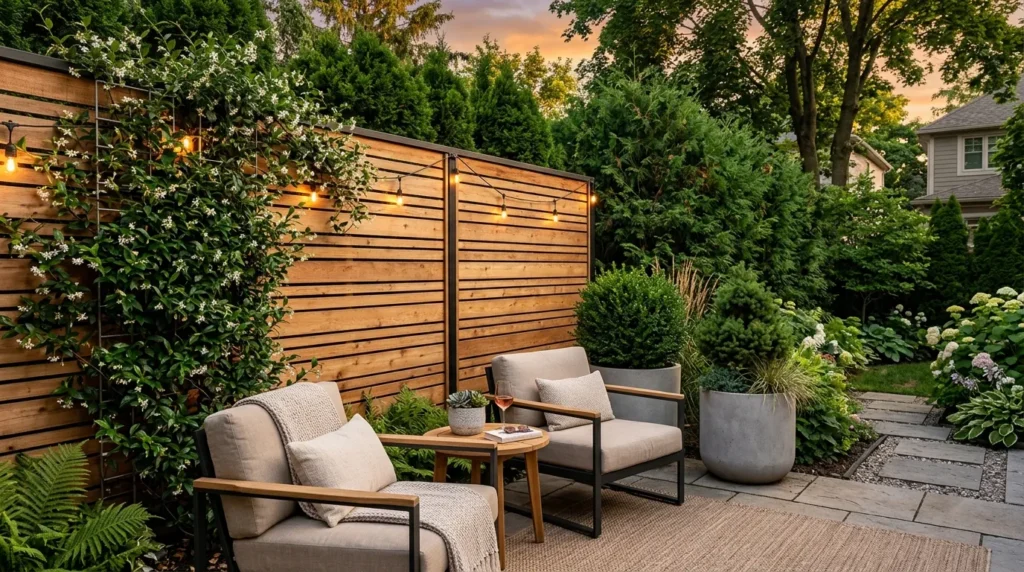
- Creates a more comfortable backyard or patio
- Blocks views from neighbors, streets, or nearby windows
- Adds height, greenery, and structure to the landscape
- Works with hedges, fences, trellises, screens, or tall planters
Privacy screens can turn an exposed yard into a calm, comfortable retreat. Many USA homes sit close to neighboring properties, so privacy is often just as important as beauty. A screen does not always need to be a solid fence. You can use evergreen hedges, wood slat panels, lattice with vines, tall ornamental grasses, bamboo in containers, or a row of large planters. The best option depends on space, climate, budget, and how quickly you need coverage.
The transformation is immediate when seating areas feel protected without becoming closed in. Place screens where they block direct sightlines, not necessarily around the entire yard. I’ve noticed this creates a more natural and less boxed-in effect. For patios, use a pergola with climbing jasmine, clematis, or climbing roses for softness. For modern homes, horizontal cedar slats or black metal panels can feel sleek and architectural. Always check local fence rules and HOA guidelines before installing permanent structures, especially in front yards or shared property lines.
8. Outdoor Lighting
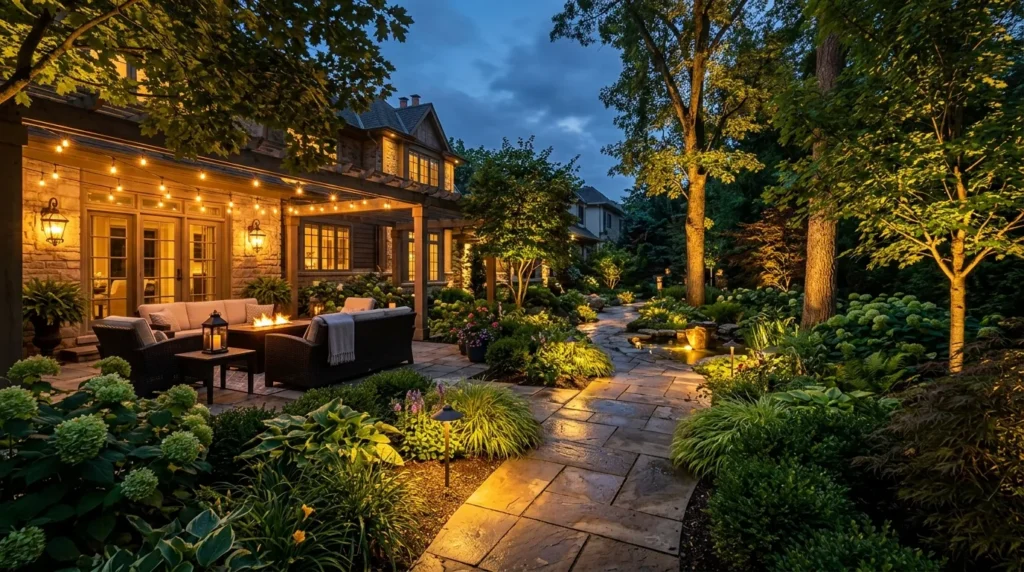
- Extends patio, garden, and walkway use into the evening
- Improves safety around steps, paths, and entrances
- Highlights trees, walls, water features, and planting beds
- Creates a warm, finished atmosphere after sunset
Outdoor lighting can completely change the mood of a yard after dark. A landscape may look beautiful during the day, but without lighting, it disappears at night. Start with safety first by lighting steps, pathways, gates, and entry points. Then add atmosphere with uplights on trees, soft lights in planting beds, and warm fixtures around seating areas. Low-voltage lighting is often more reliable than basic solar lights, though solar options can work well in sunny locations for accents.
The most elegant lighting feels layered, not harsh. Avoid placing bright lights directly in people’s eyes, and choose warm white bulbs for a cozy effect. In my experience, homeowners often use too many fixtures at first, when a few well-placed lights would look more refined. Path lights, wall sconces, string lights, lanterns, and recessed deck lights can work together beautifully. Use timers or smart outdoor plugs for convenience. With thoughtful placement, lighting makes the yard safer, more usable, and much more inviting for evening gatherings.
9. Water Feature
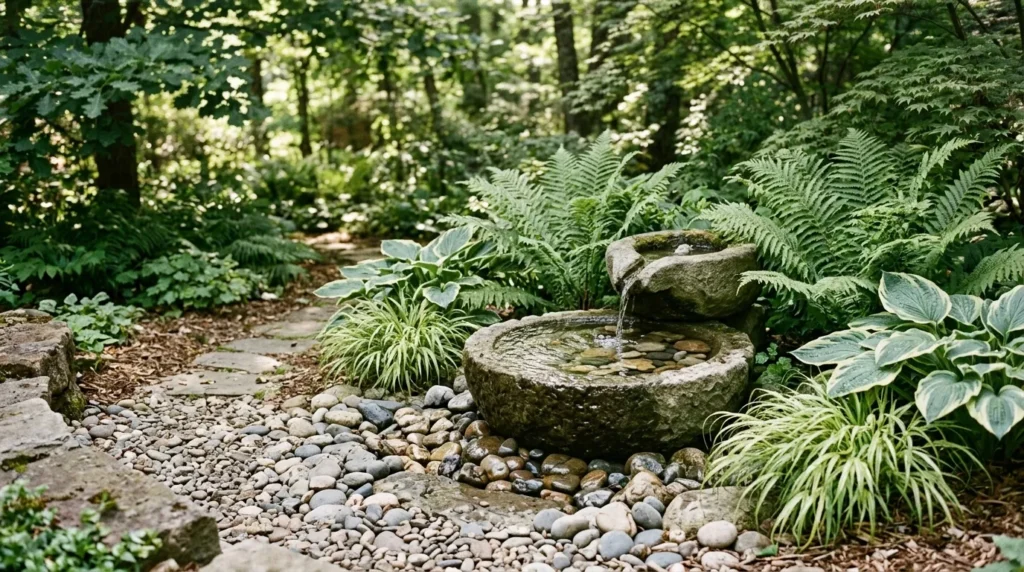
- Adds sound, movement, and a calming focal point
- Works in small gardens, patios, courtyards, or entry areas
- Attracts birds and creates a peaceful outdoor mood
- Can be simple with bowls, fountains, bubblers, or pondless designs
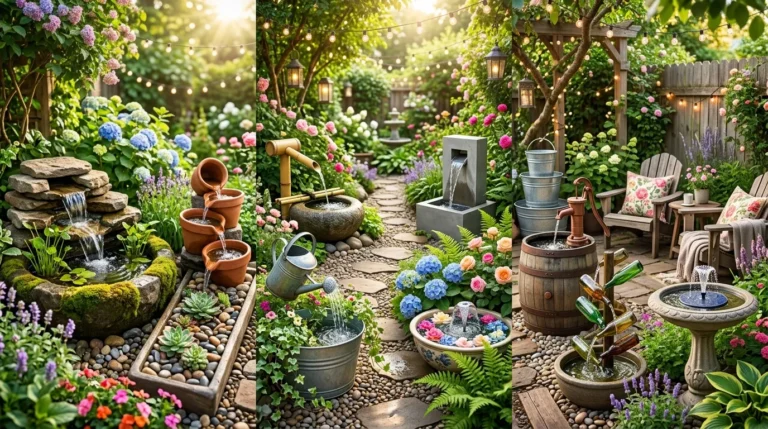
A water feature brings a soothing quality to a yard that plants alone cannot always create. The gentle sound of moving water can soften traffic noise, create a relaxing mood, and make a small outdoor area feel special. You do not need a large pond to get the effect. A ceramic fountain, stone basin, wall fountain, bubbling urn, or pondless waterfall can fit into patios, front courtyards, or garden corners. Choose a size that suits the space and leaves room for movement.
The practical side matters because water features need access to power, cleaning, and seasonal care. In colder states, some fountains may need to be drained or covered during winter. In warmer areas, water should circulate properly to stay fresh. I’ve seen this work well when the feature is surrounded by pebbles, ferns, hostas, ornamental grass, or low lighting. Place seating nearby so the sound can actually be enjoyed. A simple fountain can become the quiet centerpiece that makes the whole yard feel more peaceful.
10. Fire Pit Zone
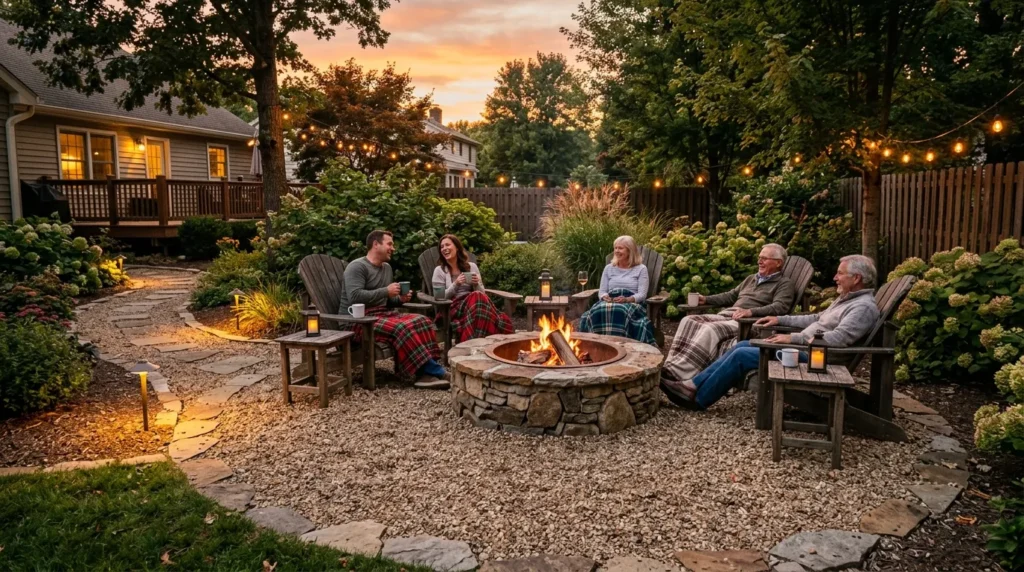
- Creates a cozy gathering spot for family and guests
- Extends backyard use into cooler evenings
- Adds structure to open lawn or patio areas
- Works with gravel, pavers, Adirondack chairs, benches, or stone seating
A fire pit zone can make a backyard feel like a destination instead of just open space. It gives people a reason to gather, talk, roast marshmallows, and stay outside longer during spring, fall, and cool summer nights. The first decision is placement. Keep the fire pit away from structures, low branches, fences, and anything flammable. Use gravel, stone, concrete pavers, or brick under and around the area to create a safer, cleaner surface. Local fire rules should always be checked before installation.
The seating arrangement is what makes this feature successful. Adirondack chairs, curved benches, outdoor sectionals, or simple metal chairs can all work if they are spaced comfortably around the fire. I’ve noticed circular layouts feel more social because everyone can see each other easily. Add side tables, outdoor pillows, storage for blankets, and subtle pathway lighting leading to the zone. Gas fire pits offer convenience, while wood-burning styles create a traditional campfire feeling. Either option can turn an unused backyard corner into the most loved spot outside.