Top 10 Front Yards: Do Stylish Ideas
Introduction
A stylish front yard does more than make a house look pretty from the street. It creates the first feeling people get before they even reach the door. In the USA, where curb appeal matters for everyday pride, resale value, neighborhood appearance, and seasonal decorating, the front exterior deserves the same thoughtful attention as a living room or kitchen.
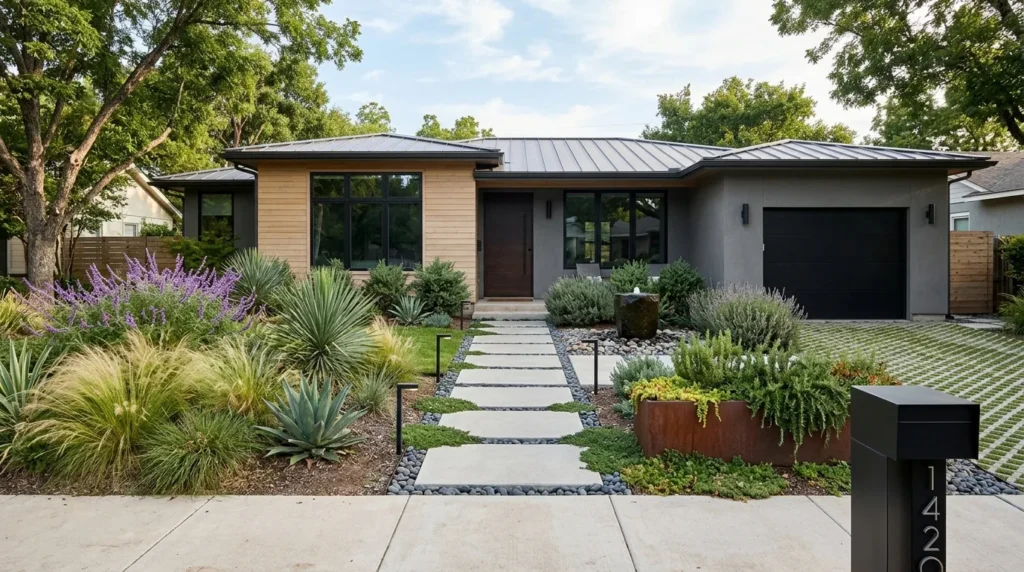
The best designs are not always the most expensive. A clean walkway, fresh mulch, layered plants, warm lighting, modern house numbers, and a few beautiful planters can completely change how a home feels. Even a small entry area can look polished when the colors, textures, and layout are chosen with intention.
This guide focuses on realistic upgrades that work for suburban homes, townhouses, small porches, ranch houses, craftsman homes, new builds, and older properties that need a refresh. You will find practical ideas using plants, stone, lighting, wood, metal, mulch, containers, seating, and seasonal decor.
The goal is simple: create a welcoming exterior that feels stylish, clean, and easy to maintain. Each idea is designed to be Pinterest-friendly, useful for real homeowners, and flexible enough to match different climates, budgets, and home styles.
1. Stone Walkway
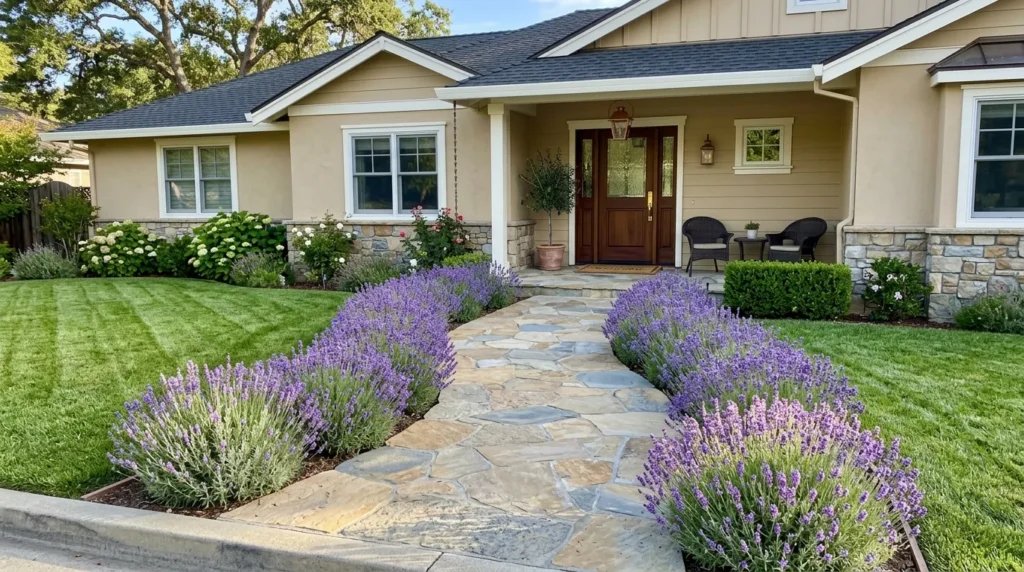
- Creates a clear, welcoming path from the street or driveway.
- Adds structure, texture, and visual direction to the outdoor space.
- Works with flagstone, concrete pavers, brick, gravel, or stepping stones.
- Makes the home feel more finished before guests reach the porch.
- Helps protect grass and planting beds from daily foot traffic.
A beautiful walkway instantly makes the whole exterior feel more intentional and cared for. Instead of letting visitors guess where to walk, a stone path guides the eye directly toward the entrance. Flagstone, concrete pavers, brick, pea gravel, or large stepping stones can all work depending on the home’s style. In my experience, a walkway looks most polished when the edges are clean and the spacing feels comfortable. The path should feel natural to use, not just decorative, because curb appeal is strongest when beauty and function work together.
The transformation becomes even stronger when the walkway connects with surrounding materials. Add low plants, mulch, gravel borders, or small solar lights along the sides to define the path without crowding it. For a modern home, oversized concrete slabs with gravel joints look clean and architectural. For a cottage-style house, irregular flagstone feels softer and more charming. This idea improves daily usability because it keeps shoes cleaner, protects lawn areas, and gives the entry a finished look that feels welcoming in every season, from bright summer mornings to crisp fall evenings.
2. Layered Beds
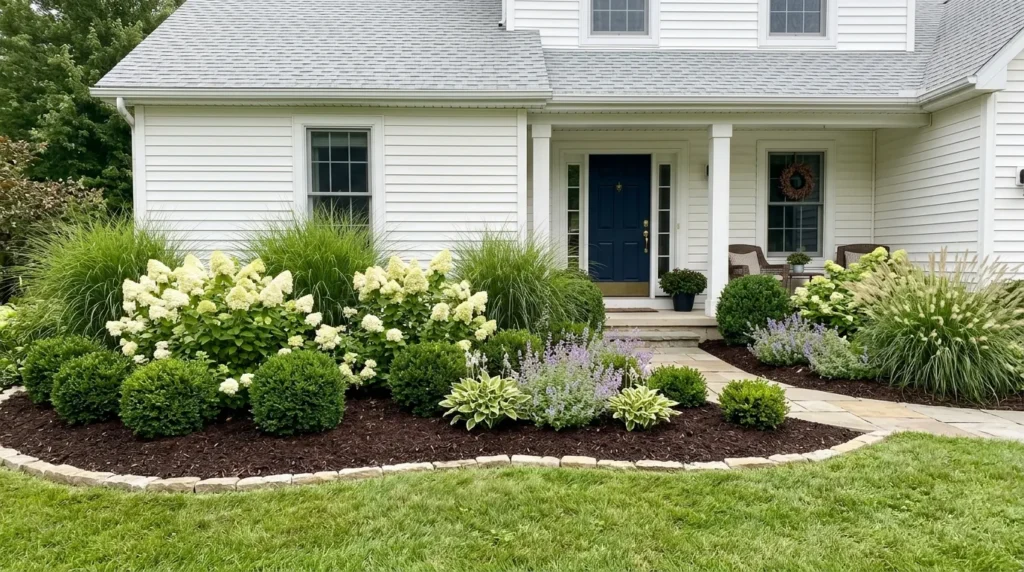
- Adds depth by mixing plant heights, colors, and textures.
- Makes the foundation area feel soft instead of flat or empty.
- Works with shrubs, ornamental grasses, perennials, groundcover, and seasonal flowers.
- Helps hide plain walls, utility areas, or awkward empty corners.
- Creates a fuller, more professional landscape without overcrowding.
Layered planting beds make a house look softer, fuller, and more professionally designed. The idea is simple: place taller shrubs or grasses in the back, medium plants in the middle, and low groundcover or flowers near the front. This creates depth instead of one flat row of plants. Many homeowners make the mistake of choosing everything at the same height, which can look unfinished. Designers often recommend layering because it frames the house, hides plain foundation walls, and gives the eye several textures to enjoy without creating visual clutter.
To make the bed feel stylish, repeat a few plants instead of buying one of everything. Try boxwood, hydrangeas, salvia, lavender, hostas, ornamental grasses, sedum, or creeping thyme depending on sunlight and climate. Use mulch or gravel to create a clean base, then keep the border shape simple. The result feels balanced and easy to maintain because every plant has a purpose. A layered bed also changes through the seasons, giving the exterior color, movement, and softness while still looking organized from the sidewalk, driveway, and front porch.
3. Porch Planters
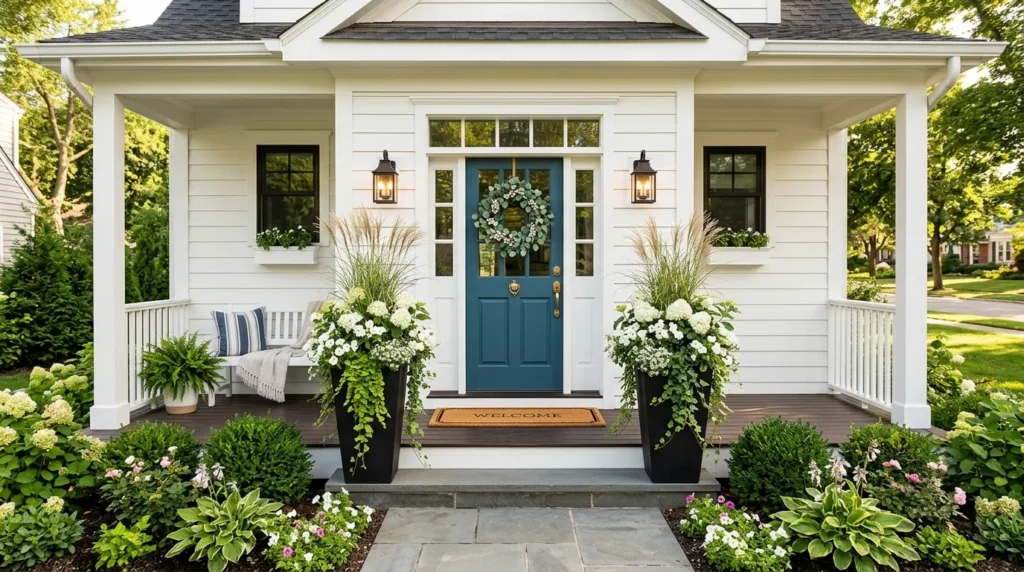
- Adds color and personality without changing the landscape permanently.
- Works well for renters, townhouses, small porches, and large entries.
- Uses ceramic pots, concrete planters, wood boxes, metal urns, or woven baskets.
- Helps frame the front door and make the entrance feel finished.
- Can be refreshed seasonally with flowers, greenery, branches, or grasses.
Porch planters are one of the easiest ways to make an entrance feel styled and welcoming. They frame the door, add color, and bring life to hard surfaces like brick, concrete, siding, or painted wood. Choose planters that match the scale of the porch; tiny pots can disappear beside a tall door, while oversized containers feel more high-end. I’ve noticed that two matching planters on each side of the entry often create a cleaner look than several mismatched pots scattered around without a clear plan.
The best porch containers use a simple formula: height, fullness, and trailing texture. Try ornamental grass or small evergreens for height, petunias or begonias for fullness, and sweet potato vine or ivy for softness. For a lower-maintenance look, use boxwood balls, dwarf spruce, rosemary, or faux stems in harsh weather. Materials matter too. Concrete looks modern, ceramic feels classic, black metal adds contrast, and woven baskets bring warmth. This idea works beautifully because it is flexible, affordable, and easy to update for spring, summer, fall, holidays, or everyday curb appeal.
4. Fresh Mulch
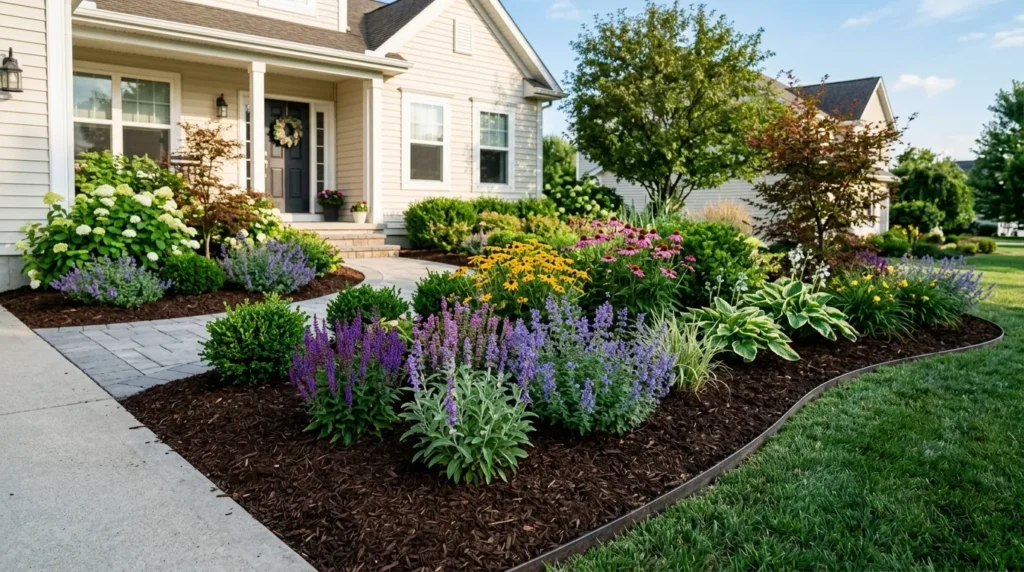
- Makes planting beds look cleaner, newer, and more maintained.
- Helps retain soil moisture and reduce weeds around plants.
- Works with bark mulch, cedar mulch, pine straw, compost, or decorative gravel.
- Creates contrast between greenery, flowers, and the home exterior.
- Gives the entire yard a quick refresh without major landscaping.
Fresh mulch can make a tired yard look cleaner in a single afternoon. It creates a dark, even background that helps plants stand out and makes beds look maintained. Mulch also supports plant health by helping soil hold moisture and reducing weed growth. Choose shredded bark, cedar, pine straw, compost, or decorative gravel depending on your region and home style. In my experience, the color should complement the house rather than fight with it; rich brown often looks natural, while black mulch can feel bold and modern.
The key is applying mulch neatly, not piling it too high. Keep it a few inches away from tree trunks and plant stems so moisture does not cause damage. Define bed edges first with a spade, stone border, brick, or metal edging for a crisp finish. This simple upgrade gives the whole exterior a cleaner outline and makes old plantings feel refreshed. It is also practical because it reduces maintenance, supports healthier roots, and improves the look of the entry, driveway border, and foundation beds without a major renovation.
5. House Numbers
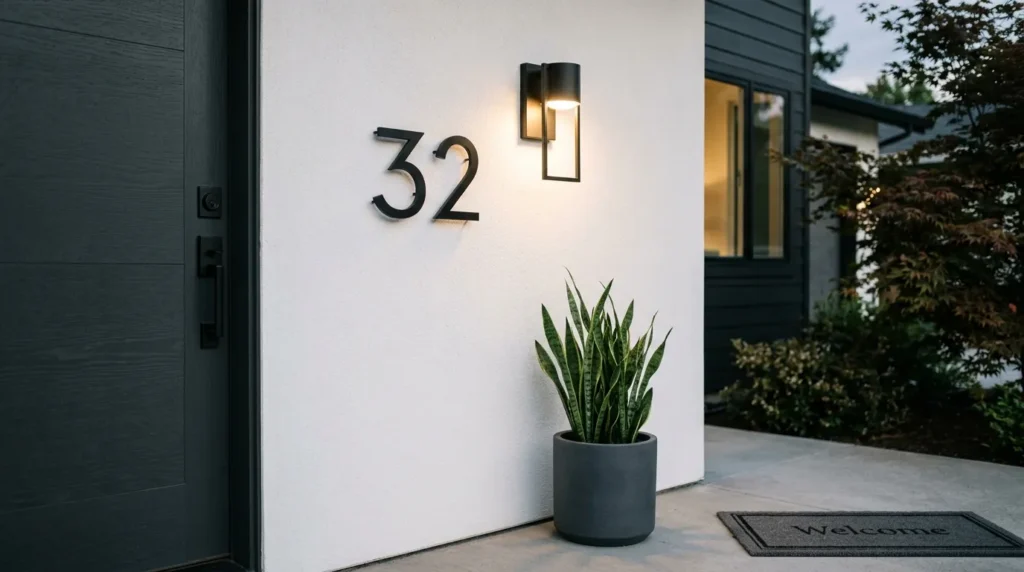
- Adds a modern, polished detail near the entry or mailbox.
- Helps delivery drivers, guests, and emergency services find the home.
- Works with metal numbers, wood plaques, stone markers, or backlit designs.
- Creates a small design moment without requiring major changes.
- Looks especially stylish with lighting, planters, and clean siding.
Modern house numbers are a small detail that can make the entire exterior feel updated. Old, faded, or hard-to-read numbers can quietly age a home, even when the landscaping looks nice. Choose numbers with clean lines in black, brass, bronze, stainless steel, or matte white depending on the exterior color. The scale matters more than many people realize. If the numbers are too small, they look like an afterthought. Larger, well-placed numbers feel intentional and make the home easier to identify from the street.
Placement should be practical and attractive at the same time. Mount numbers near the front door, on a porch column, beside the garage, on a mailbox post, or on a small landscape wall. For extra impact, pair them with a sconce, planter, or wood backboard. Backlit numbers can look especially sharp on contemporary homes. This upgrade improves curb appeal and everyday function because guests, delivery drivers, and emergency services can find the home easily. It is a simple weekend project that adds polish without changing the whole landscape.
6. Hedge Borders
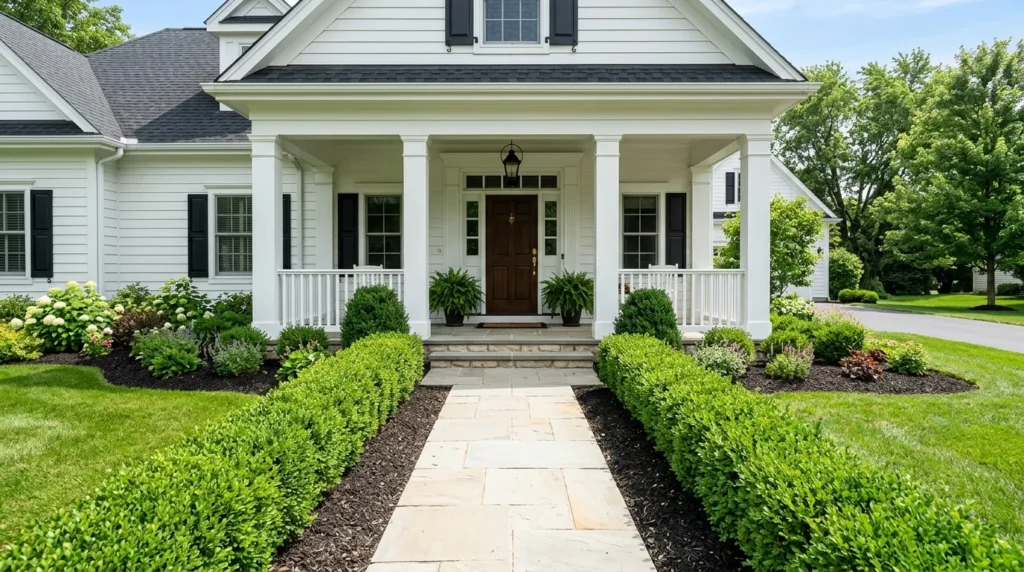
- Creates clean lines around walkways, porches, beds, or property edges.
- Adds structure that looks good during every season.
- Works with boxwood, holly, yew, privet, dwarf shrubs, or compact evergreens.
- Helps the exterior feel neat, classic, and well maintained.
- Provides a polished frame for flowers, mulch, gravel, and lawn areas.
Low hedge borders give a yard that polished, tailored look people often associate with expensive landscaping. They create clean lines around walkways, foundation beds, porch edges, and property borders. Boxwood, dwarf holly, yew, compact privet, and small evergreen shrubs all work well when chosen for the local climate. The goal is not to create a stiff wall, but to give the garden a steady green frame. That structure keeps the exterior looking neat even when seasonal flowers are not blooming or the lawn needs attention.
For best results, keep hedge borders proportionate to the house and walkway. A low clipped border feels classic near a traditional home, while looser evergreen shrubs can soften a modern farmhouse or cottage exterior. Use pruning shears or a hedge trimmer lightly and regularly instead of waiting until the plants are overgrown. The visual upgrade is strong because hedges create order around softer plantings. They also guide movement, frame the entry, and make the entire space feel more established without needing constant color, decor, or seasonal changes.
7. Drought Planting
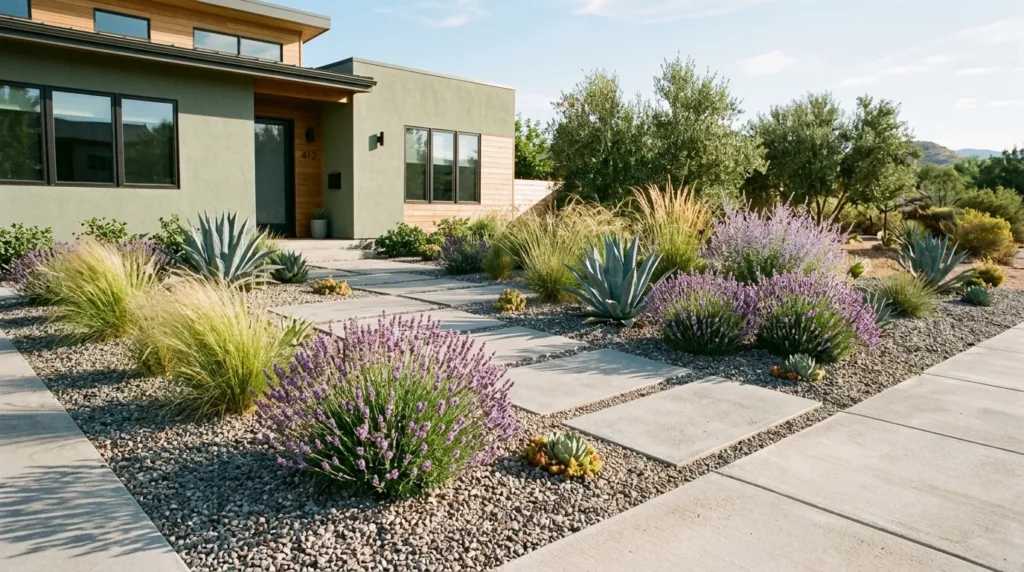
- Reduces watering needs while keeping the yard attractive.
- Works well in hot, dry, or water-conscious regions of the USA.
- Uses lavender, agave, yucca, salvia, ornamental grasses, sedum, and rosemary.
- Adds texture, shape, and movement without high maintenance.
- Pairs beautifully with gravel, stone, concrete, and modern edging.
Drought-tolerant planting can look stylish, modern, and full of texture when it is planned well. This approach is especially useful in hot or water-conscious regions where traditional lawns demand too much care. Plants like lavender, agave, yucca, salvia, sedum, rosemary, Russian sage, and ornamental grasses can create a beautiful low-water design. The secret is grouping plants by water needs and repeating them in simple patterns. I’ve seen this work well because the shapes stay interesting even when flowers are not the main focus.
The finished look feels clean and practical because it reduces watering while still adding movement and color. Pair drought-friendly plants with gravel, decomposed granite, boulders, concrete pavers, or steel edging for a modern finish. Leave enough space between plants so each shape can be seen clearly as it matures. This idea is not only attractive but also easier to maintain during busy summers. It helps the outdoor space feel intentional, sustainable, and regionally smart instead of forcing thirsty plants into a climate where they struggle to survive.
8. Seating Nook
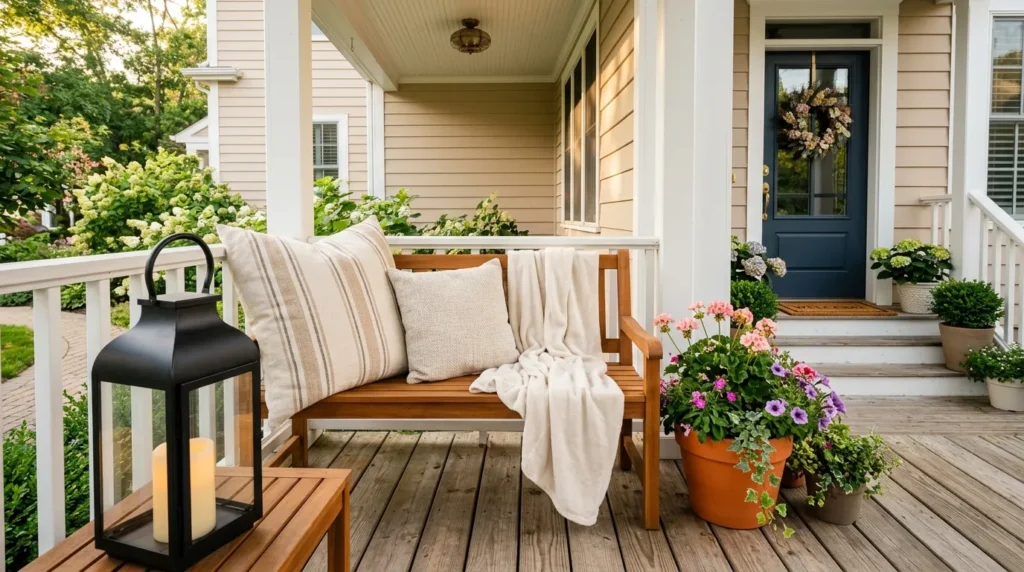
- Makes the entry area feel warm, personal, and usable.
- Works with benches, rocking chairs, bistro sets, or porch swings.
- Adds charm to porches, small patios, wide walkways, and shaded corners.
- Creates a relaxing place for coffee, reading, or greeting neighbors.
- Looks stylish with outdoor pillows, lanterns, planters, and small tables.
A small seating nook makes the front of the home feel lived-in, warm, and welcoming. Even one bench, pair of rocking chairs, bistro set, or porch swing can create a charming destination near the entry. This works especially well on covered porches, wide walkways, shaded corners, or small patios beside the door. Choose outdoor furniture with durable materials like teak, powder-coated metal, resin wicker, or treated wood. The piece should fit comfortably without blocking the path, because beauty disappears quickly when the layout feels crowded or awkward.
Styling the nook is what makes it feel finished. Add one outdoor pillow, a small side table, a lantern, or a nearby planter to connect the seating with the rest of the design. Keep colors simple so the entry does not look busy from the street. This idea improves everyday life because it gives you a place to drink coffee, watch the neighborhood, read, or greet guests. It also makes the home feel more personal, which is a huge part of stylish curb appeal in real neighborhoods.
9. Seasonal Wreath
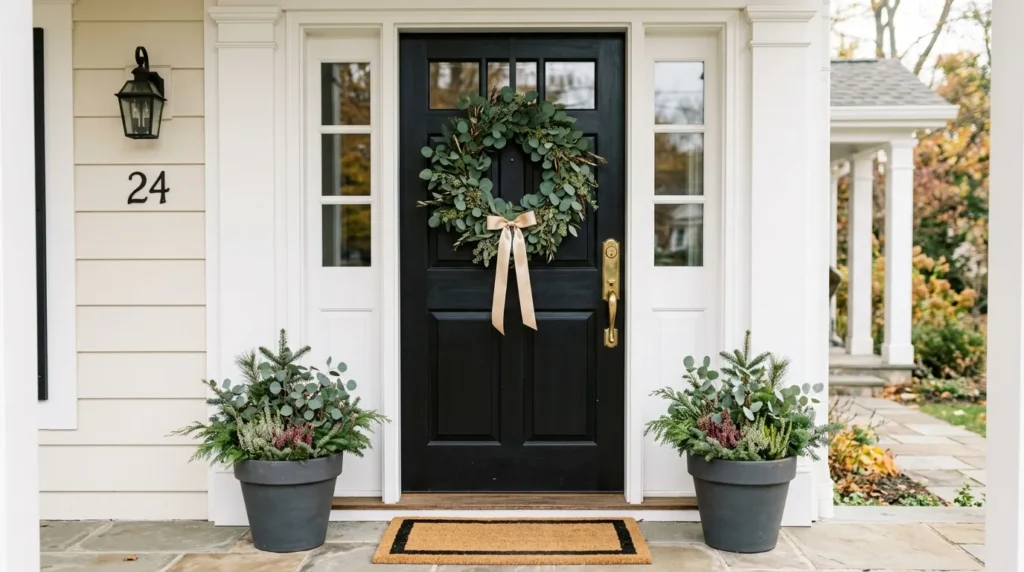
- Adds a fresh focal point to the front door.
- Can be changed for spring, summer, fall, winter, and holidays.
- Works with greenery, dried florals, eucalyptus, berries, ribbons, or branches.
- Makes the entry feel decorated without cluttering the porch.
- Helps the front door look beautiful in photos and from the street.
A seasonal wreath gives the front door an easy focal point without overwhelming the entry. It adds color, texture, and personality exactly where the eye naturally lands. Choose materials that suit the season: eucalyptus and white flowers for spring, olive leaves for summer, dried grasses for fall, and pine or cedar for winter. The wreath should complement the door color instead of blending into it completely. Designers often recommend choosing one standout door detail because it keeps the entry attractive without adding too many separate decorations.
For a clean look, match the wreath style with the rest of the exterior. A black door may look beautiful with green foliage and a satin ribbon, while a natural wood door pairs well with dried florals or simple branches. Keep the size proportionate; too small can look lost, while too large may feel heavy. This idea is practical because it is easy to swap throughout the year. It gives the home a refreshed feeling for holidays, photos, guests, and everyday arrivals without requiring landscaping changes.
10. Path Lighting
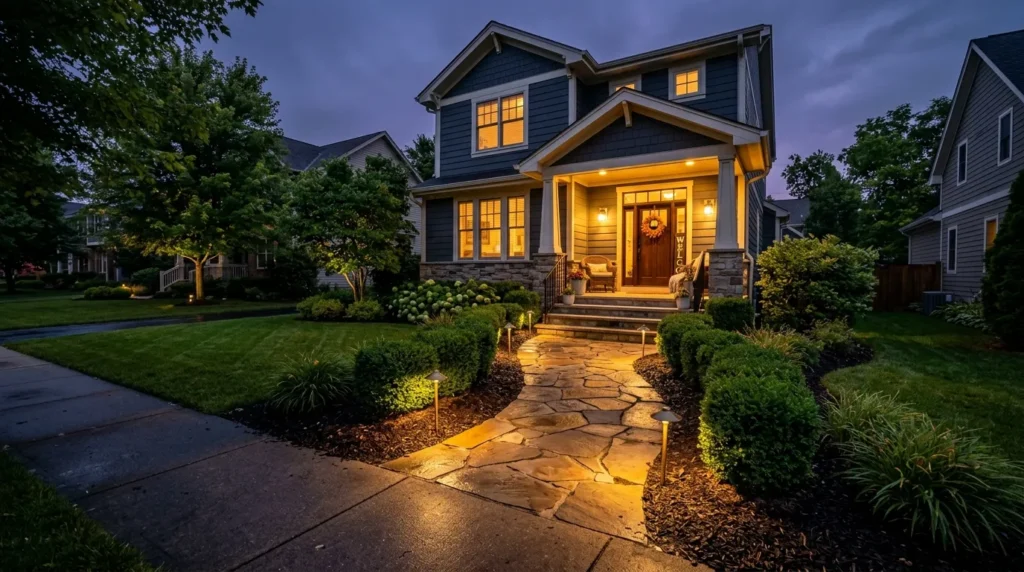
- Improves safety while making the entry feel warm at night.
- Works with solar lights, low-voltage fixtures, lanterns, sconces, or uplights.
- Highlights walkways, steps, plants, trees, and architectural details.
- Makes evening curb appeal feel polished and inviting.
- Helps guests navigate the entry clearly after sunset.
Warm path lighting can make a home look beautiful long after the sun goes down. Instead of relying only on a porch light, add low lights along the walkway, near steps, or beside planting beds. Solar lights, low-voltage fixtures, lanterns, sconces, and small uplights can all work when used carefully. The goal is a soft glow, not a runway effect. In my experience, warm white light around 2700K feels more inviting than cool blue lighting, especially near brick, stone, wood, greenery, and painted siding.
Good lighting improves safety and curb appeal at the same time. Place fixtures where people need guidance: path turns, steps, porch edges, driveway transitions, and dark planting areas. Uplight one small tree or architectural feature if you want a more custom look. Keep fixture styles consistent so the design feels calm from the street. This final layer gives the home a finished evening presence and makes arrivals feel welcoming. It also helps guests navigate easily, which makes the exterior both prettier and more functional after dark.