
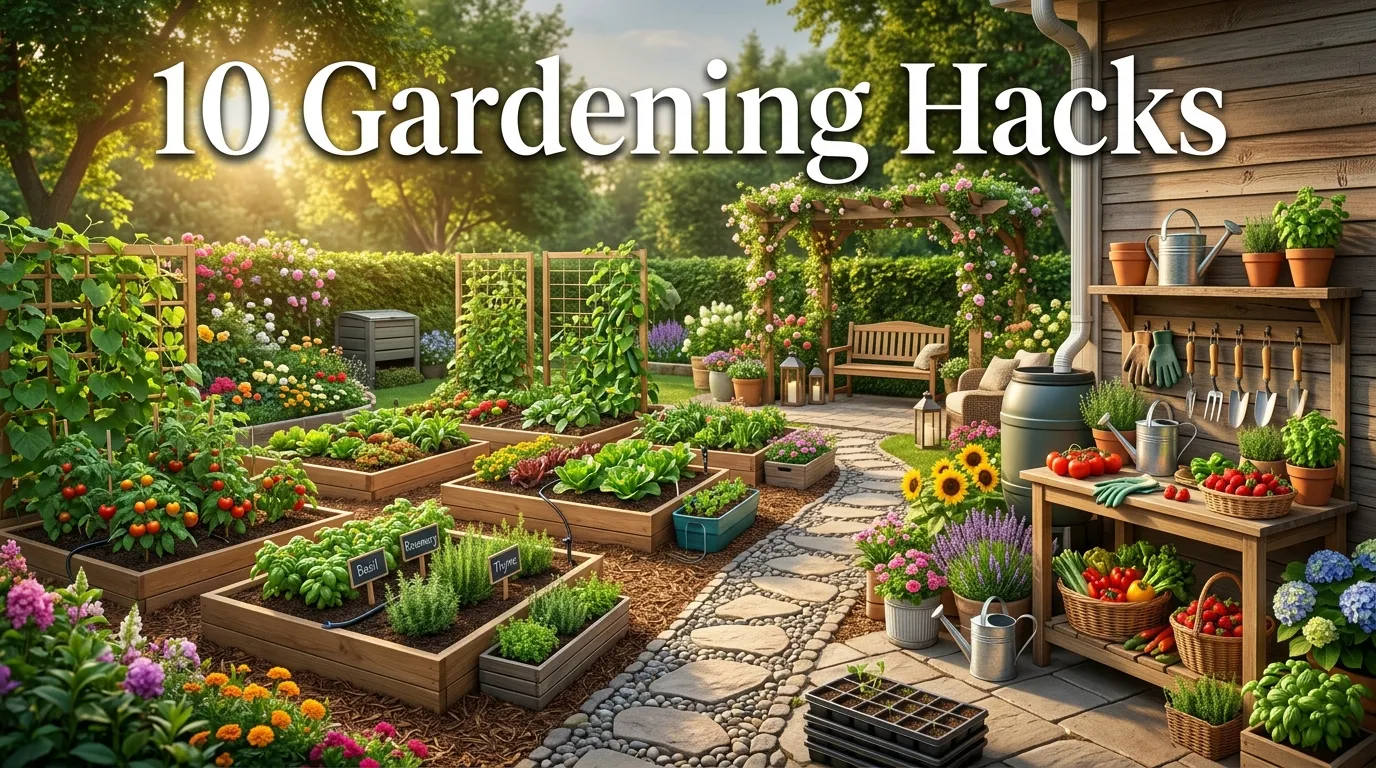
10 Gardening Hacks
Gardening doesn’t have to be expensive, time-consuming, or complicated. With a few clever gardening hacks, you can grow healthier plants, reduce maintenance, save money, and enjoy a more productive garden throughout the year. Whether you’re caring for a small balcony garden, raised beds, or a large backyard, simple techniques can make everyday gardening easier and more rewarding.
I’ve found that many of the best gardening solutions use items you already have at home. From repurposing kitchen scraps to improving soil naturally and conserving water, these practical ideas help both beginner and experienced gardeners achieve better results with less effort.
The key to successful gardening is working smarter, not harder. Small improvements in watering, planting, composting, and organization can make a noticeable difference in plant health while saving valuable time.
These gardening hacks will help you create a thriving, beautiful garden that’s easier to maintain and more enjoyable all season long.
Table of Contents
- Use Kitchen Scraps for Compost
Create nutrient-rich soil naturally. - Mulch to Retain Moisture
Reduce watering and weeds. - Collect Rainwater
Save water efficiently. - Eggshell Plant Fertilizer
Boost soil nutrients. - Companion Planting
Grow healthier plants together. - DIY Plant Markers
- Self-Watering Containers
- Coffee Grounds in the Garden
- Vertical Gardening Solutions
- Garden Tool Organization
1. Use Kitchen Scraps for Compost
Quick Benefits
- Reduces household waste
- Improves soil health
- Saves money
- Supports healthier plants
- Eco-friendly gardening
Why It Works
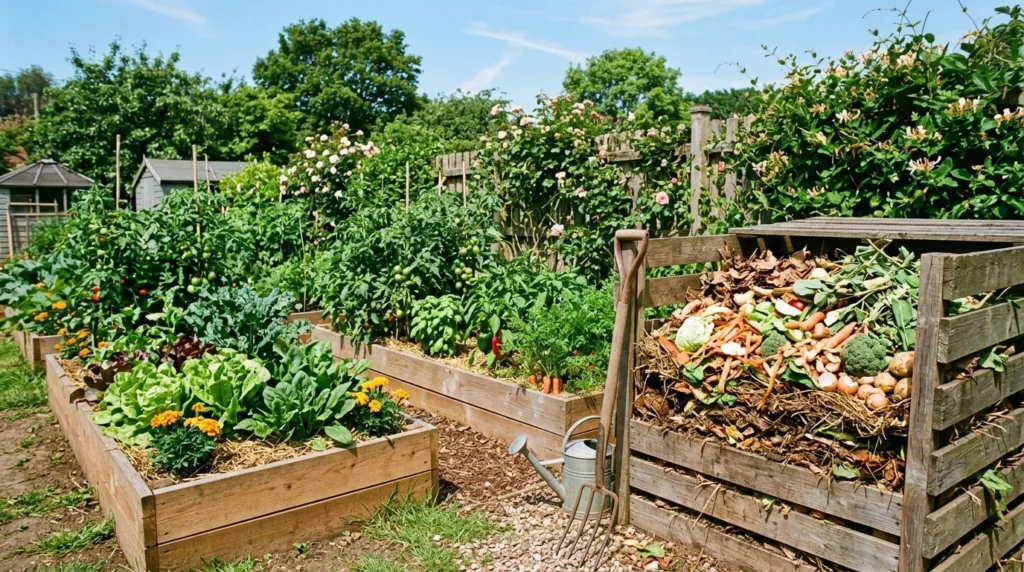
Kitchen scraps like vegetable peels, fruit scraps, coffee grounds, and eggshells naturally break down into nutrient-rich compost that improves soil structure and feeds plants.
I’ve found that homemade compost consistently produces healthier vegetables and flowers than relying solely on commercial fertilizers.
How To Style It
Keep a compost bin in a shaded area and regularly add fruit scraps, vegetable peels, dry leaves, and grass clippings.
Turn the compost occasionally to speed decomposition.
2. Mulch to Retain Moisture
Quick Benefits
- Reduces watering
- Prevents weeds
- Keeps soil cool
- Improves appearance
- Protects plant roots
Why It Works
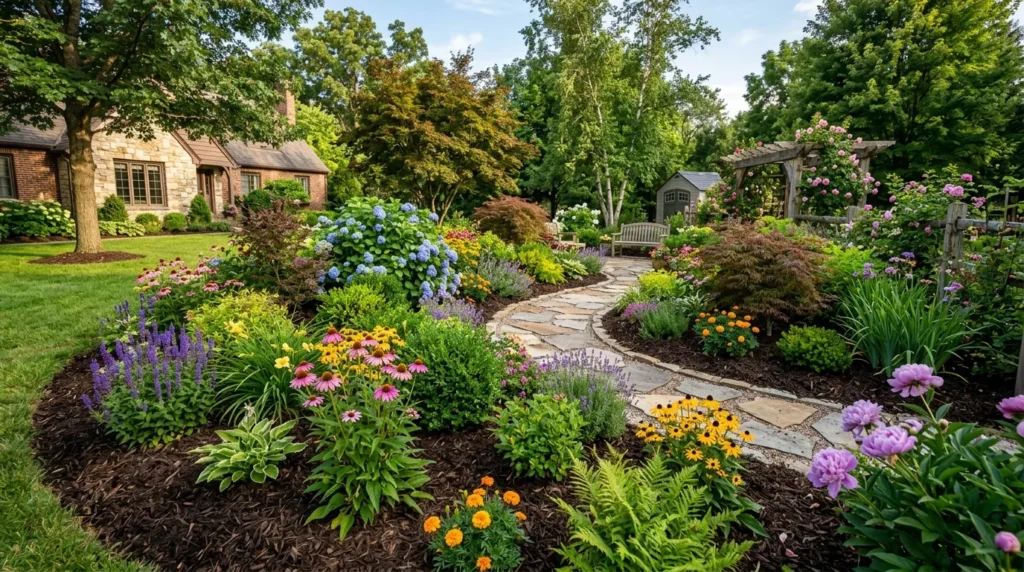
Mulch slows water evaporation while suppressing weeds that compete with your plants for nutrients and moisture. It also helps regulate soil temperature throughout the seasons.
One thing that works especially well is using shredded bark or straw around vegetables and flowers.
How To Style It
Spread a 2–3 inch layer of organic mulch around plants, keeping it a few inches away from stems to prevent rot.
3. Collect Rainwater
Quick Benefits
- Conserves water
- Lowers utility bills
- Natural irrigation
- Environmentally friendly
- Great for plants
Why It Works
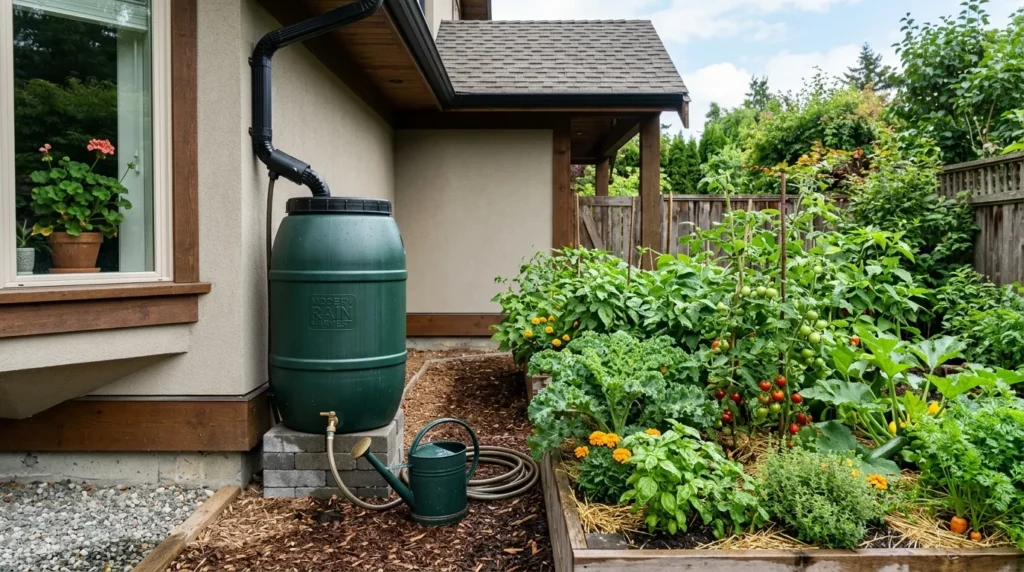
Rainwater is free from many of the chemicals found in treated tap water, making it ideal for watering flowers, vegetables, and container plants.
I’ve noticed that many plants respond especially well to regular rainwater irrigation.
How To Style It
Install a rain barrel beneath a gutter downspout and use the collected water during dry periods.
Keep the barrel covered to prevent debris and mosquitoes.
4. Eggshell Plant Fertilizer
Quick Benefits
- Adds calcium
- Recycles kitchen waste
- Supports healthy growth
- Easy to prepare
- Budget-friendly
Why It Works
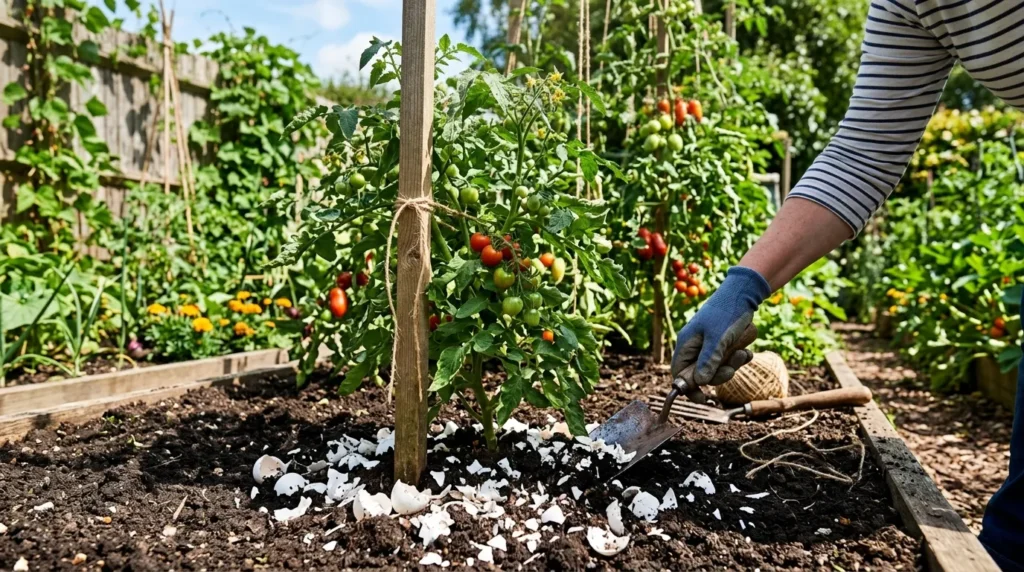
Crushed eggshells slowly release calcium into the soil, helping strengthen plants while supporting healthy root and fruit development.
In my experience, tomatoes and peppers benefit especially from additional calcium.
How To Style It
Rinse, dry, and crush eggshells before mixing them into the soil around plants or adding them to your compost pile.
5. Companion Planting
Quick Benefits
- Reduces pests
- Improves plant growth
- Maximizes garden space
- Encourages pollinators
- Increases harvests
Why It Works
Certain plants naturally support one another by repelling insects, improving soil health, or attracting beneficial pollinators, resulting in healthier gardens with fewer pest problems.
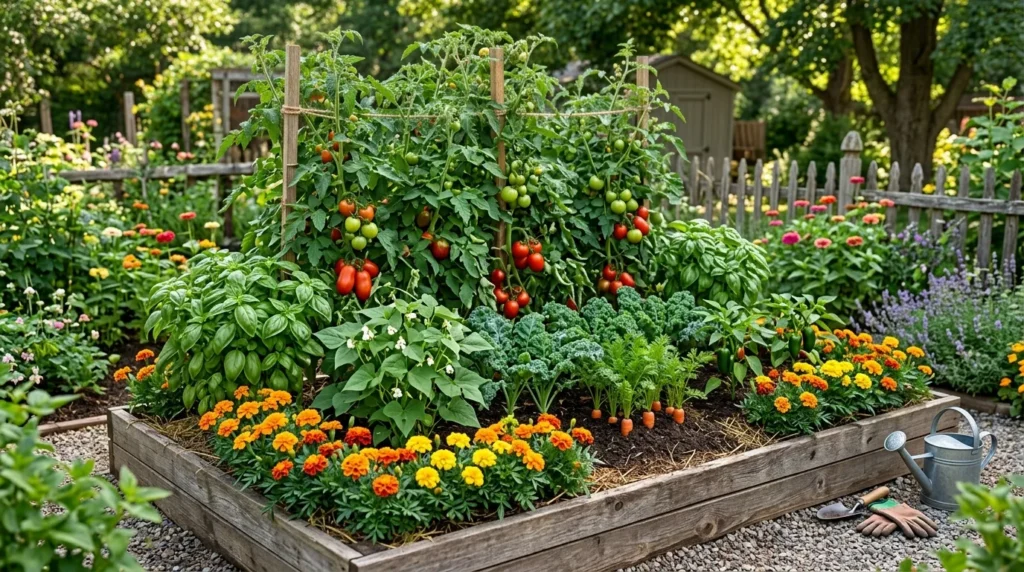
I’ve found that planting basil near tomatoes and marigolds around vegetables is one of the easiest and most effective companion planting combinations.
How To Style It
Pair compatible plants throughout your garden, such as tomatoes with basil, carrots with onions, or cucumbers with nasturtiums for natural pest control and healthier growth.
6. DIY Plant Markers
Quick Benefits
- Keeps the garden organized
- Easy to identify plants
- Budget-friendly project
- Weather-resistant options
- Adds decorative charm
Why It Works
Plant markers eliminate guesswork, especially when seedlings are still small. They’re also helpful for tracking different vegetable varieties, herbs, and flowers throughout the growing season.
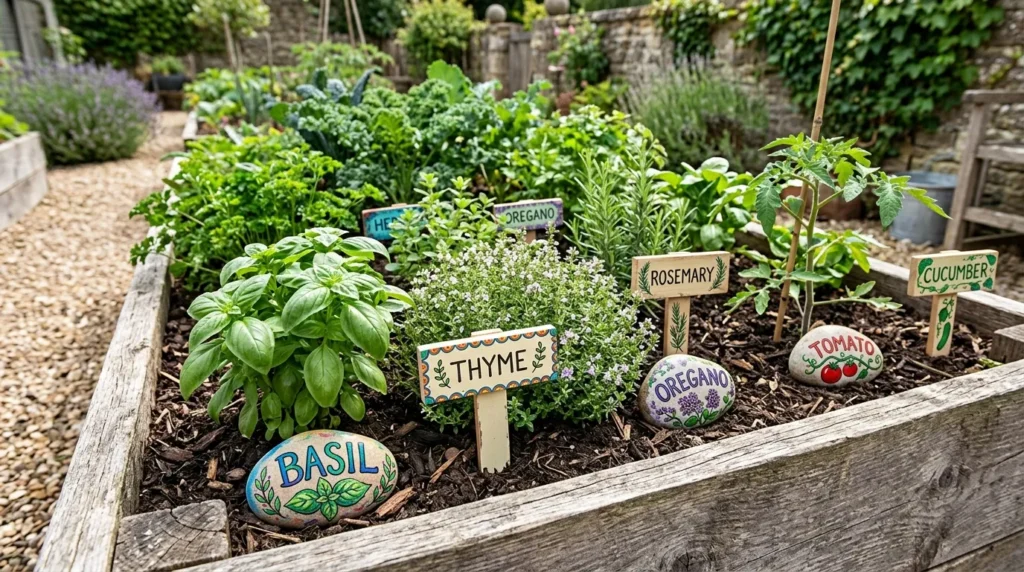
I’ve found that painted wooden stakes and flat river stones last much longer than paper labels.
How To Style It
Create markers using painted rocks, wooden craft sticks, metal tags, or recycled spoons.
Write with waterproof paint pens for long-lasting labels.
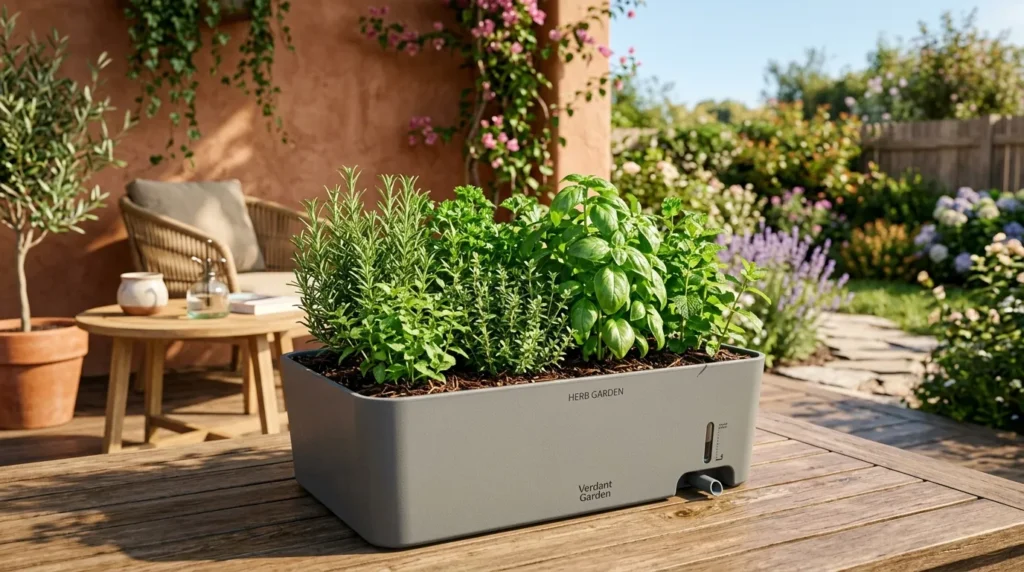
7. Self-Watering Containers
Quick Benefits
- Reduces watering frequency
- Prevents soil from drying out
- Ideal for busy gardeners
- Supports healthy roots
- Great for container plants
Why It Works
Self-watering containers provide a consistent moisture supply, helping plants thrive while reducing the risk of underwatering during hot weather.
One thing that works especially well is using these containers for herbs, tomatoes, and patio vegetables.
How To Style It
Choose self-watering pots or create your own using a water reservoir beneath the planting container.
Check the reservoir weekly during summer.
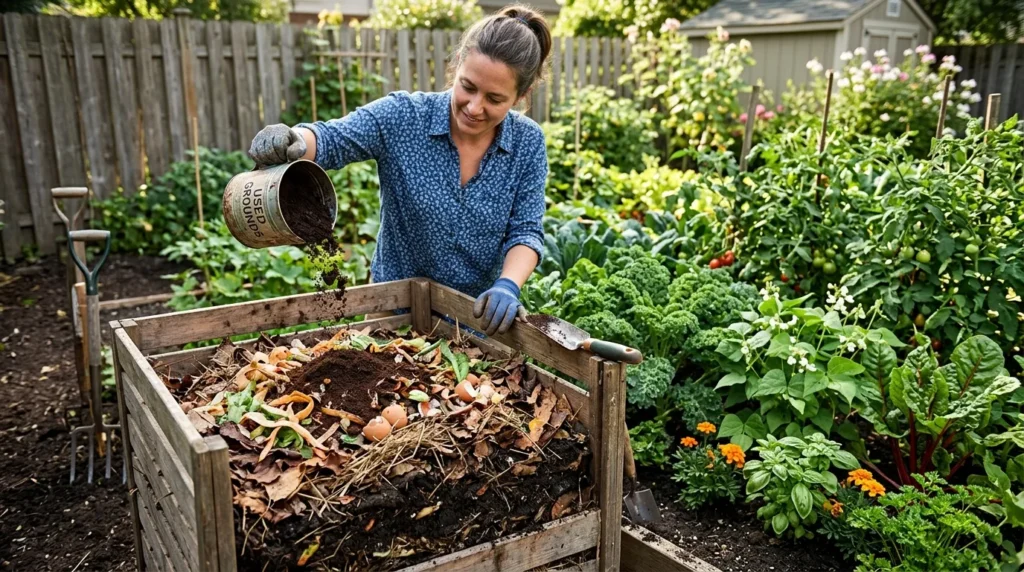
8. Coffee Grounds in the Garden
Quick Benefits
- Enriches compost
- Improves soil texture
- Recycles kitchen waste
- Encourages earthworms
- Affordable soil amendment
Why It Works
Used coffee grounds add organic matter to compost while improving soil structure over time. Earthworms are also attracted to decomposing organic material, benefiting overall soil health.
I’ve noticed that mixing coffee grounds into compost works better than applying thick layers directly around plants.
How To Style It
Sprinkle small amounts into compost bins or lightly mix them into garden soil.
Avoid overusing coffee grounds in one location.
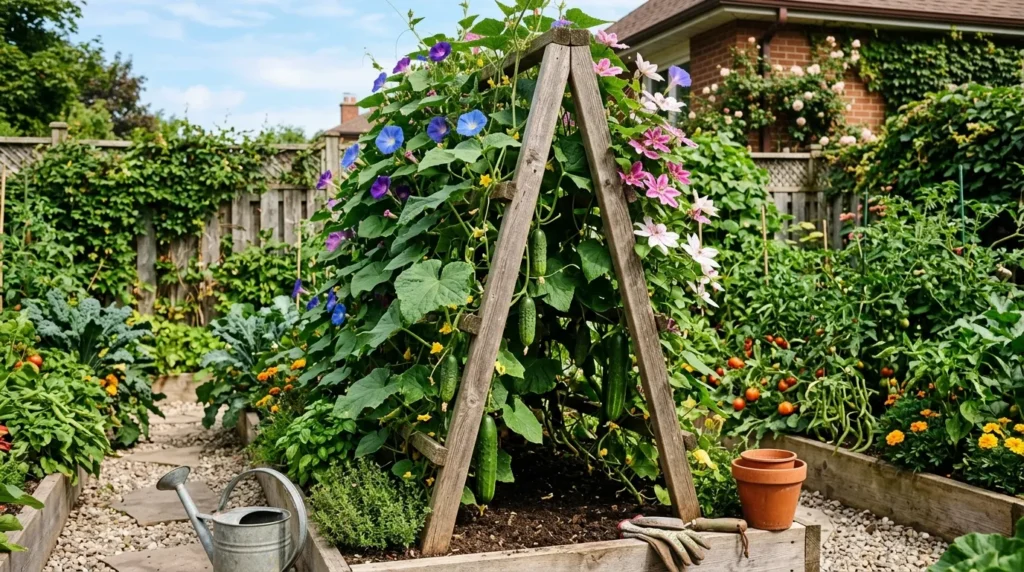
9. Vertical Gardening Solutions
Quick Benefits
- Saves space
- Increases growing area
- Improves airflow
- Easier harvesting
- Decorative garden feature
Why It Works
Growing upward allows gardeners to maximize limited space while keeping plants healthier through improved air circulation and better sunlight exposure.
In my experience, vertical gardening works especially well for cucumbers, peas, beans, strawberries, and flowering vines.
How To Style It
Use trellises, wall planters, hanging baskets, garden arches, or ladder shelves to grow climbing plants vertically.
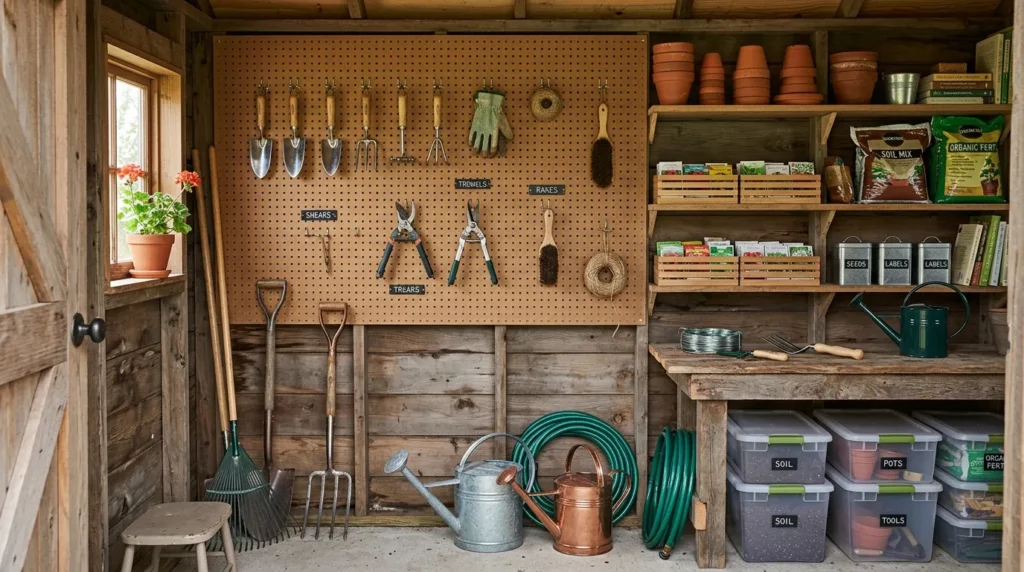
10. Garden Tool Organization
Quick Benefits
- Saves time
- Prevents misplaced tools
- Extends tool lifespan
- Keeps workspace tidy
- Improves efficiency
Why It Works
Organized tools make gardening more enjoyable by reducing frustration and helping equipment stay clean, dry, and ready for use.
I’ve found that wall-mounted storage systems are the easiest way to keep everything accessible.
How To Style It
Install pegboards, hooks, shelving, or storage cabinets inside your shed or garage.
Store hand tools together and larger equipment separately for quick access.
Frequently Asked Questions
What is the easiest gardening hack for beginners?
Adding mulch is one of the simplest and most effective hacks because it reduces weeds, conserves moisture, and improves soil health with minimal effort.
How can I improve my garden naturally?
Use compost, mulch, rainwater, companion planting, and organic fertilizers like crushed eggshells to improve soil and plant health naturally.
Do coffee grounds help plants?
Yes, when added to compost or used in moderation, coffee grounds contribute organic matter and help improve soil quality.
What’s the best way to save water while gardening?
Collect rainwater, use mulch, water early in the morning, and install self-watering containers or drip irrigation systems.
Which vegetables grow well together?
Popular companion planting combinations include tomatoes with basil, carrots with onions, cucumbers with nasturtiums, and beans with corn.
How do I organize gardening tools?
Use wall hooks, pegboards, labeled storage bins, and shelving units to keep tools clean, organized, and easy to access.
Conclusion
Great gardens don’t require expensive equipment or complicated techniques. By using simple gardening hacks like composting, mulching, collecting rainwater, and organizing your tools, you can grow healthier plants while saving time, money, and effort.
Small improvements often produce the biggest results. Whether you’re growing flowers, herbs, vegetables, or ornamental plants, these practical ideas will help you build a thriving garden that’s easier to maintain throughout the year.
Start with one or two of these hacks and gradually incorporate more as your garden grows.
Related Articles
- 10 Outdoor Storage Solutions
- 10 Backyard Landscape Design Ideas
- 10 DIY Rustic Decor Ideas
- 10 Small Space Living Hacks
- 10 Home Decor Ideas on a Budget