10 Backyard Grass Design Ideas
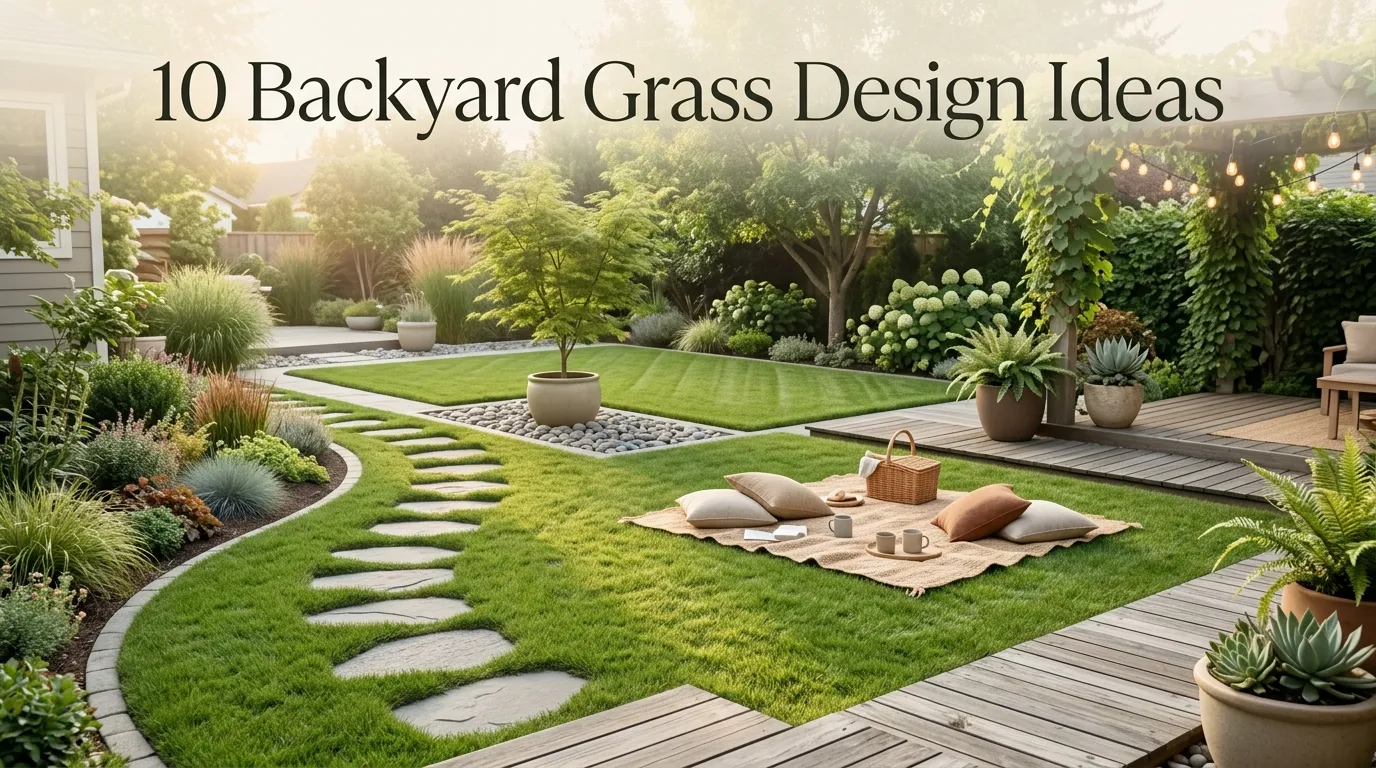
A backyard can feel completely different when the grass is shaped with intention. It is not just the green space left over after the patio, fence, or flower beds are finished. It can become the soft center of the yard, the play area, the relaxing view from the kitchen window, the path between garden zones, or the clean frame that makes everything else look polished.
For many USA homeowners, a beautiful lawn is still one of the most loved parts of outdoor living. But today’s designs are more thoughtful than one plain rectangle of grass. A well-planned Backyard Grass layout can work with patios, firepits, garden beds, stepping stones, raised borders, outdoor dining areas, and kid-friendly spaces.
These ideas are made to help you design grass areas that look fresh, practical, and Pinterest-worthy while still fitting real life. You will find layout tips, material ideas, styling logic, and simple ways to make your outdoor space feel more finished without overcomplicating the yard.
1. Soft Lawn Zones
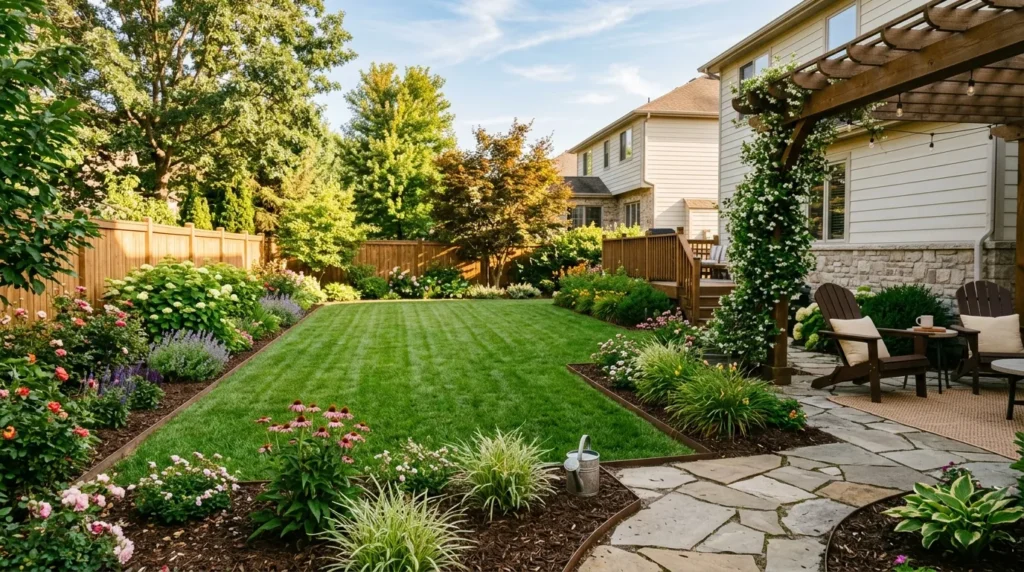
- Creates a clear open area for relaxing, kids, pets, and casual outdoor use.
- Works well with simple edging, low planting, stepping stones, and patio borders.
- Helps divide the backyard into usable spaces without making it feel crowded.
- Looks best when the grass shape matches the flow of the home and patio.
- Gives the yard a calm, clean center that feels easy to maintain.
A soft lawn zone gives the backyard a peaceful center that feels open and usable. This idea works because grass can act like a visual pause between patios, garden beds, fences, and seating areas. Instead of leaving the lawn as a random leftover shape, define it with clean edges and a purpose. It can become a play space, a picnic area, or a quiet green view from inside the home. In my experience, simple shapes are easier to maintain and usually look more expensive.
The transformation feels organized without looking overly designed. Use metal edging, brick borders, or low plants to separate the grass from mulch and flower beds. Keep the center open so furniture, toys, and foot traffic do not make the area feel cluttered. This layout is practical for families because it keeps the softest surface available for everyday use. It also works beautifully beside patios, where the contrast between hard flooring and fresh green grass makes the whole yard feel balanced.
2. Curved Grass Edges
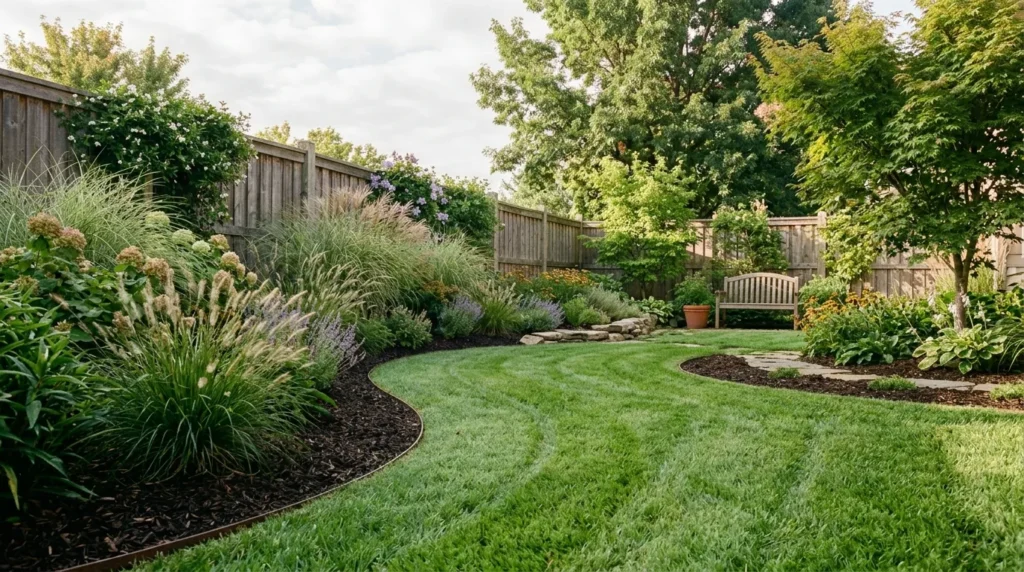
- Adds movement and softness to a square or narrow backyard layout.
- Works with mulch beds, flower borders, stone edging, and low shrubs.
- Helps the yard feel more natural, relaxed, and visually interesting.
- Great for softening fences, patios, sheds, and straight property lines.
- Makes simple grass areas look more designed without adding too much decor.
Curved grass edges can make a basic backyard feel softer almost instantly. This idea works because curves guide the eye gently around the outdoor space instead of stopping it with hard corners. If your yard has a plain rectangular lawn, reshaping the edges can add charm without major construction. Use a garden hose first to test the curve before cutting. That simple step helps you see whether the shape feels natural from the patio, back door, and main seating area.
The finished look feels more custom and garden-like. Add mulch, flowers, ornamental grasses, or small shrubs outside the curved edge to create depth. Curves are especially useful along fences because they keep the yard from feeling boxed in. This design is practical because it can be done gradually, one border at a time. Keep curves wide and smooth instead of tight and wavy, because simple sweeping lines are easier to mow and usually look cleaner in real yards.
3. Stepping Stone Paths
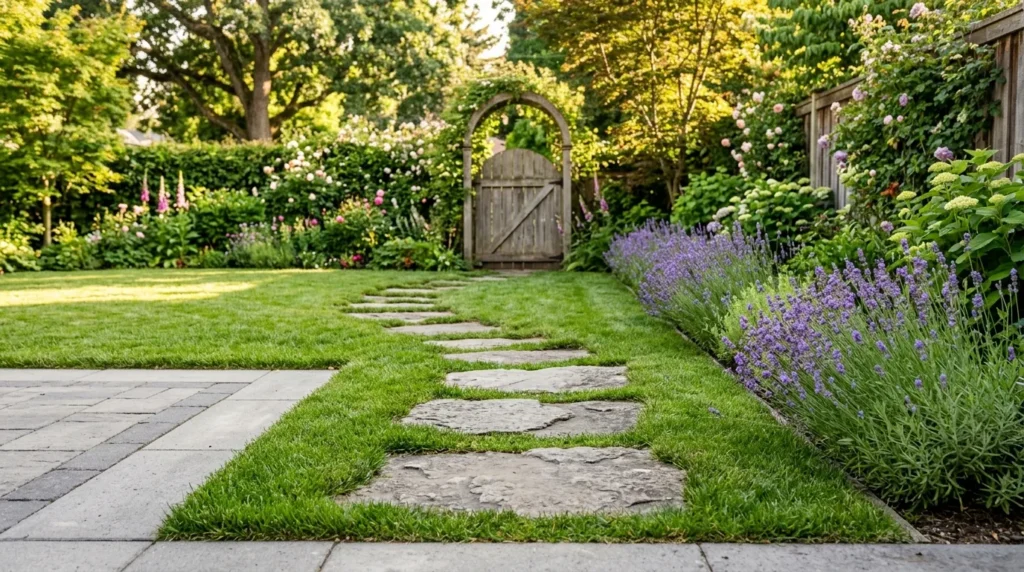
- Connects grass areas to patios, gates, sheds, gardens, or firepit zones.
- Works with stone slabs, concrete pavers, gravel joints, and groundcover plants.
- Keeps foot traffic from wearing muddy paths into the lawn.
- Adds structure while still letting the yard feel green and open.
- Looks beautiful with modern, cottage, farmhouse, or natural backyard styles.
Stepping stones bring structure to a lawn while keeping the space soft and natural. This idea works because people usually create their own walking paths across a yard, especially between the back door, patio, shed, or garden gate. Instead of letting those routes become worn patches, you can place pavers where movement already happens. Large flat stones, concrete squares, limestone pieces, or round stepping pads all work depending on the style of the home.
The transformation is both beautiful and useful. A path through grass makes the yard feel planned and helps protect the lawn during rainy seasons. Place stones close enough for comfortable walking, then keep the grass trimmed neatly around each piece. You can make the path straight for a modern look or slightly curved for a softer garden feel. This idea is practical for families, pets, and guests because it guides movement without needing a full concrete walkway or major landscaping work.
4. Green Patio Contrast
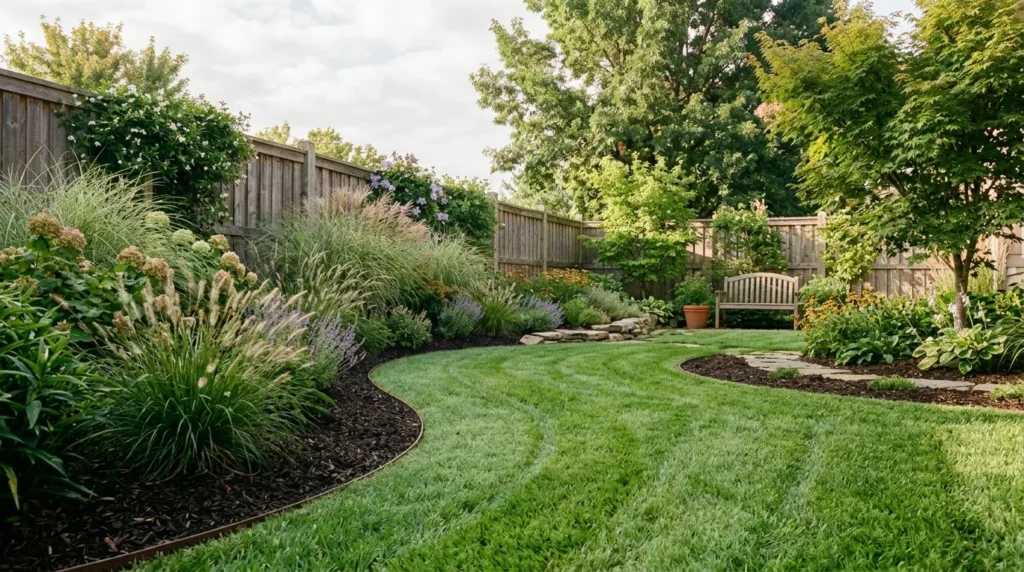
- Makes patios look softer by placing grass directly beside hard surfaces.
- Works with concrete, brick, stone, pavers, decking, and outdoor tiles.
- Creates a clean contrast between lounging areas and natural green space.
- Helps small backyards feel fresh instead of fully paved or too hard.
- Great for outdoor dining, seating zones, and modern backyard layouts.
Green patio contrast makes an outdoor living area feel warmer and more inviting. This idea works because hard surfaces like concrete, tile, and stone can look beautiful but sometimes feel flat without natural texture nearby. A neat grass section beside the patio adds softness, color, and breathing room. Keep the lawn edge crisp where it meets the patio so the contrast looks intentional. I’ve noticed this works especially well when the patio furniture is neutral and the grass becomes the fresh visual anchor.
The result is a backyard that feels balanced for both hosting and relaxing. The patio gives you a stable place for furniture, dining, and grilling, while the grass gives kids, pets, and guests a softer area nearby. Add planters along the transition if you want extra texture without blocking the view. This layout is practical because it keeps messy activities off the seating surface while still making the space feel connected. It works beautifully for suburban yards, townhomes, and compact patios.
5. Playful Grass Patch
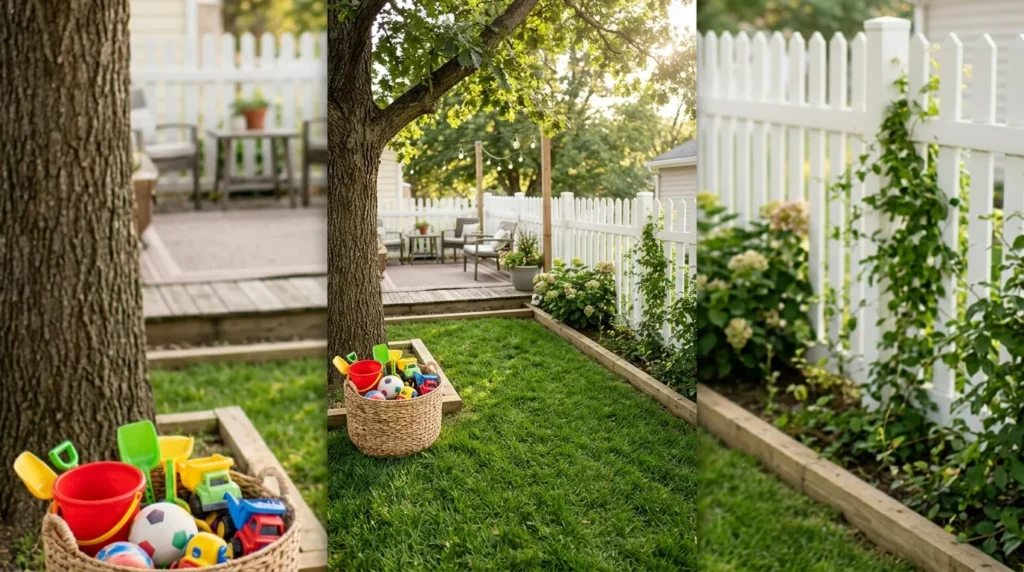
- Creates a safe, soft area for children, pets, games, and outdoor activities.
- Works with durable turf, shade trees, washable outdoor toys, and simple borders.
- Keeps play zones separate from dining, grilling, and delicate garden beds.
- Makes the backyard more useful for families without losing style.
- Looks best when the patch is open, visible, and easy to supervise.
A playful grass patch turns the backyard into a space that feels useful every day. This idea works because families need outdoor areas that can handle movement, games, toys, and pets without feeling too precious. Choose a sunny or partly shaded section where the ground drains well. Keep the shape simple so mowing stays easy. If the area gets heavy foot traffic, consider a tougher grass variety for your region or a high-quality artificial turf option.
The finished space can support everything from soccer practice to picnic blankets. Place the play patch where adults can see it from the patio, kitchen window, or seating area. Use low borders, soft edging, or nearby storage baskets for toys and sports gear. This keeps the yard looking organized after playtime. It is also smart to leave enough open space without too much furniture in the middle. A clean green area gives children and pets freedom while keeping the overall design tidy.
6. Firepit Lawn Ring
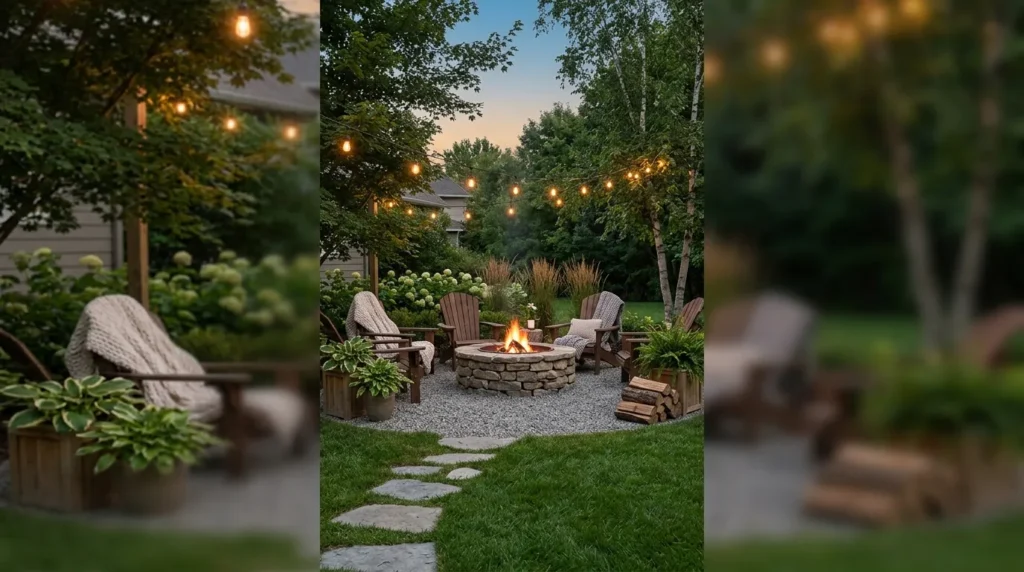
- Creates a cozy gathering area with grass surrounding or leading to the firepit.
- Works with gravel pads, stone firepits, Adirondack chairs, pavers, and low lighting.
- Helps separate the fire area from the main patio or garden beds.
- Makes evening gatherings feel relaxed, warm, and easy to enjoy.
- Adds destination-style design to larger backyards without overbuilding the space.
A firepit lawn ring gives the backyard a clear gathering point without making it feel too formal. This idea works because grass creates a soft approach around the fire area, while gravel, pavers, or stone provide a safer surface near the flames. Place the firepit on a nonflammable base and follow local fire safety rules. Then let the lawn frame the zone like a green border. This creates a natural destination at the back or side of the yard.
The transformation makes the space feel more inviting after sunset. Add chairs in a circle, use stepping stones through the grass, and place low path lights along the route. The lawn around the zone keeps the area relaxed, while the hard surface under the firepit adds safety and structure. This idea is practical for families who host often because it creates a second outdoor room. It also works well with simple seating, cozy throws, and warm string lights nearby.
7. Garden Island Beds
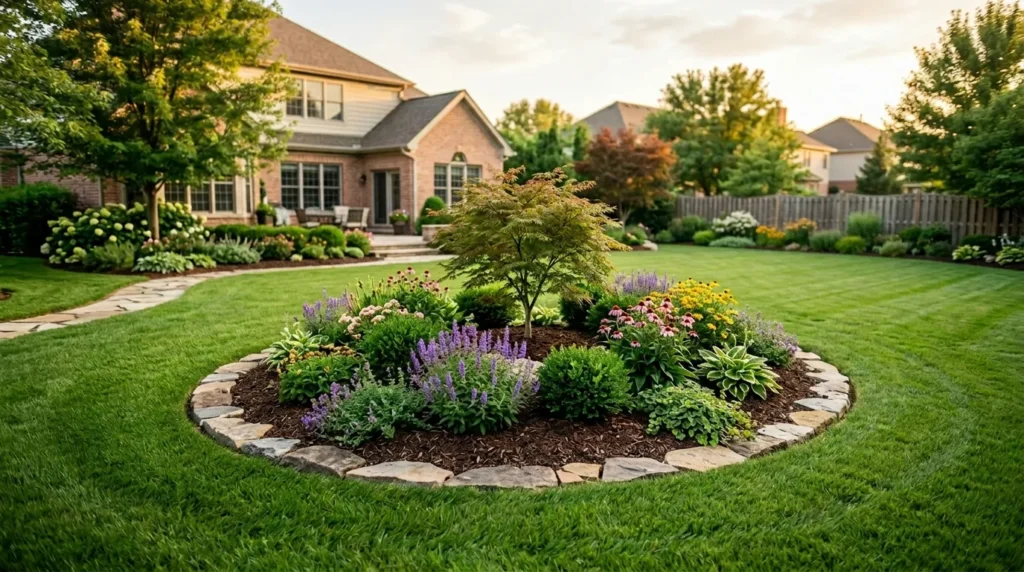
- Adds planted interest inside or beside large grass areas.
- Works with small trees, mulch, flowers, shrubs, boulders, and curved borders.
- Breaks up empty lawn space without removing the open feeling completely.
- Creates focal points that look beautiful from windows, patios, and decks.
- Helps large backyards feel layered, mature, and more professionally designed.
Garden island beds can make a large lawn feel more interesting and complete. This idea works because wide open grass sometimes looks empty when there is no focal point. A planted island adds height, color, and texture while still leaving plenty of green space around it. Use a small ornamental tree, layered shrubs, flowers, grasses, or natural stones to create the center. Keep the shape simple, such as an oval, circle, or soft kidney curve.
The finished effect gives the yard depth from every angle. When viewed from the patio or back windows, the island becomes a visual feature instead of just empty space. Add mulch to reduce weeds and keep the edges clean with stone, metal, or brick. This design is practical because it can reduce the amount of lawn you need to mow while adding beauty. Choose plants suited to your sunlight and local climate so the bed stays healthy with less effort.
8. Striped Mowing Lines
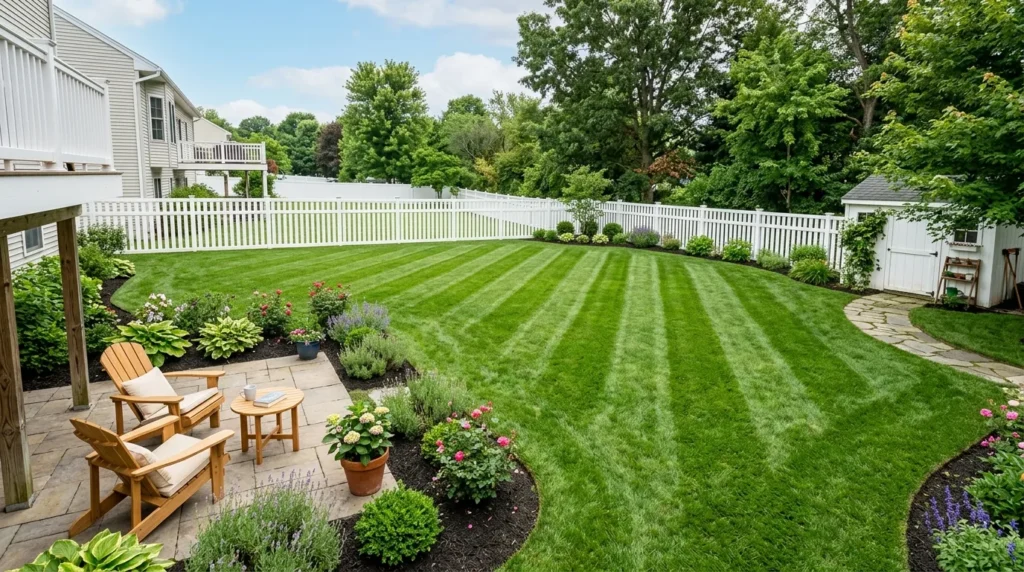
- Gives the lawn a polished, professional look with no extra decor needed.
- Works with a mower, lawn roller attachment, healthy turf, and regular mowing habits.
- Creates visual direction and makes the yard look cleaner from a distance.
- Best for rectangular lawns, open grass zones, and formal backyard designs.
- Adds curb appeal and photo-friendly texture without changing the layout.
Striped mowing lines can make a simple lawn look carefully maintained and high-end. This idea works because the stripes are created by bending grass blades in opposite directions, which changes how light reflects on the surface. You do not need a sports field to use the look. A backyard with a healthy grass area can show subtle stripes when mowed consistently. Use straight lines first, then try diagonal or checkerboard patterns once you feel comfortable.
The transformation is clean, classic, and surprisingly satisfying. Stripes make the lawn look intentional even when the surrounding design is simple. They also photograph well from patios, decks, and upstairs windows because the pattern adds depth. This is one of the easiest Backyard Grass upgrades because it does not require buying new decor or changing the layout. Keep mower blades sharp, avoid cutting too short, and vary the mowing direction sometimes so the grass stays healthy and does not develop permanent wear.
9. Artificial Turf Corners
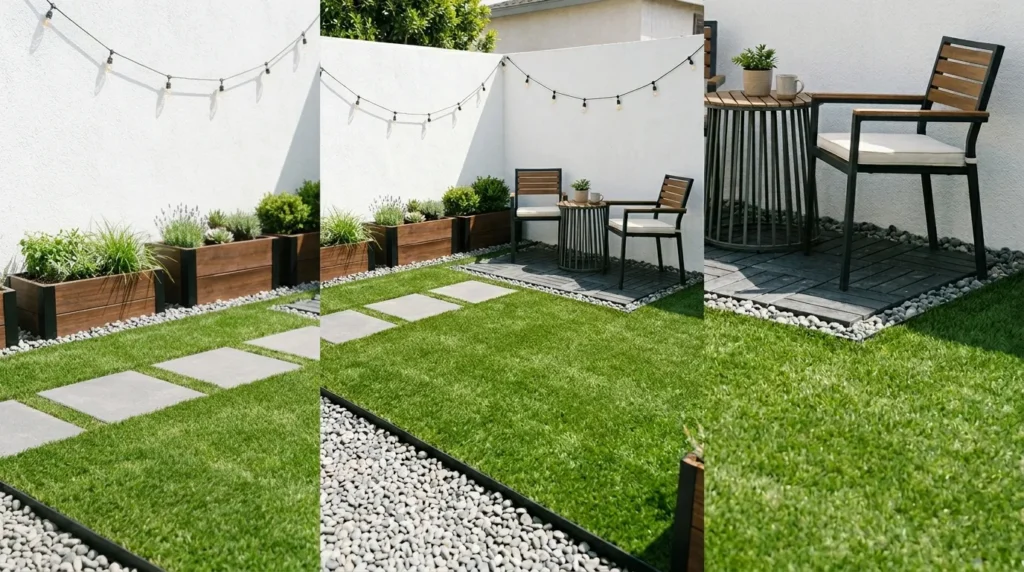
- Adds low-maintenance green space to shaded, muddy, or difficult backyard areas.
- Works with artificial turf, compacted base, edging, gravel, and drainage materials.
- Great for small patios, dog zones, side yards, play areas, and modern courtyards.
- Keeps the space looking green where natural grass may struggle to grow.
- Offers a clean solution for homeowners who want less mowing and watering.
Artificial turf corners are helpful when natural grass refuses to cooperate. This idea works because some backyard spots are too shaded, too narrow, too muddy, or too heavily used for healthy lawn growth. Instead of fighting those areas every season, a small turf section can give you a clean green surface that stays consistent. It works especially well in dog runs, side yards, play corners, and compact patios where real grass becomes patchy.
The result can look fresh and practical when installed carefully. Good base preparation matters, including proper drainage, compacted material, and secure edging. Choose turf that feels soft underfoot and has a realistic color blend rather than a flat neon green. Add planters, gravel borders, or stepping stones around the turf so it feels designed instead of placed randomly. This option is useful for busy homeowners who want a tidy green look without constant watering, mowing, reseeding, or mud problems.
10. Flower Lawn Border
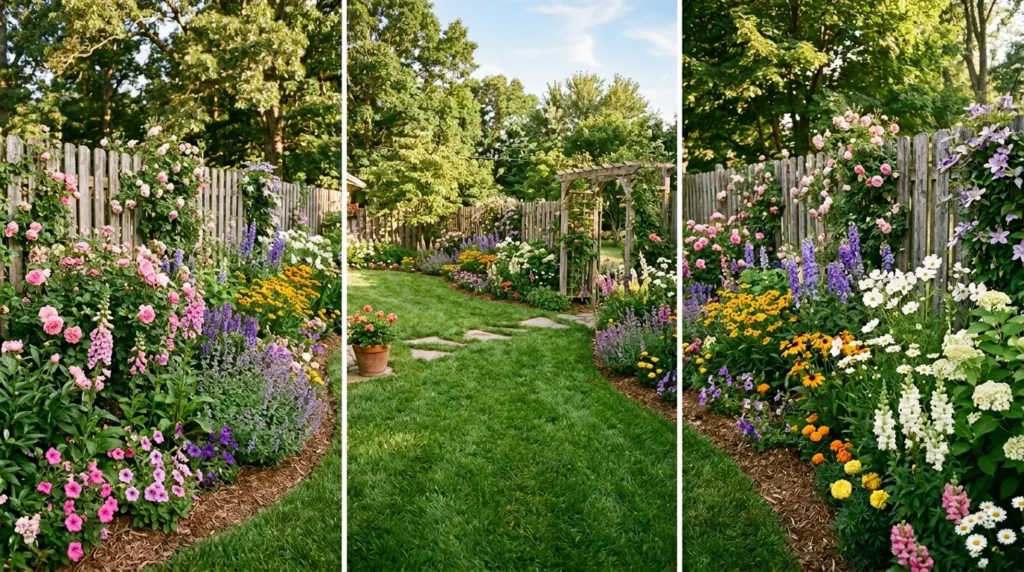
- Frames the grass with color, texture, and seasonal garden beauty.
- Works with perennials, annuals, mulch, edging, shrubs, and ornamental grasses.
- Makes the lawn look softer and more connected to the rest of the yard.
- Helps hide fence lines, patio edges, and plain backyard corners.
- Adds Pinterest-worthy color while keeping the center open and usable.
A flower lawn border makes a grass area feel prettier and more finished. This idea works because flowers soften the edges while the lawn keeps the center open and calm. Choose plants that match your sunlight, watering needs, and local climate. In many USA backyards, a mix of perennials and seasonal annuals gives the best balance. Use taller plants toward the back, medium blooms in the middle, and lower edging plants near the grass for a layered look.
The transformation is cheerful, welcoming, and easy to personalize. A border can run along a fence, wrap around a patio, or curve around the lawn edge. Add mulch to hold moisture and reduce weeds, then use clean edging to keep grass from creeping into the bed. This design is practical because it lets you enjoy color without filling the whole yard with high-maintenance planting. The open center stays useful, while the border adds charm, movement, and seasonal beauty.